Guide to Work-Related Injury Insurance Basics
This article provides a comprehensive overview of work-related injury insurance, explaining its purpose, benefits, key features, coverage scope, and guiding principles. It highlights how the system protects workers against injuries and illnesses during work, ensuring fair compensation and social security support for affected employees across various occupational hazards.
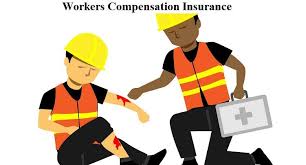

Work-Related Injury Coverage refers to a social insurance program providing financial aid when workers suffer accidental injuries, occupational illnesses, or fatalities during work or related activities, offering support from the government and society.
The insurance kicks in when a worker temporarily or permanently loses their ability to work due to work-related accidents or health conditions resulting in death. The process is based on a responsibility principle, where either the individual or the employer handles social insurance claims regardless of fault.
Work Injury Insurance, also called workers’ compensation, is a system where employers pool premiums into a fund to protect employees against injuries or illnesses occurring during their work duties. It covers medical care, rehabilitation, and basic living costs for affected workers, whether due to death or disability.
Key features include:
1. It applies to all workers involved in production activities, as workplace hazards are unavoidable. All employees injured at work or diagnosed with occupational diseases are eligible for benefits without exception.
2. The system is compensatory, ensuring workers’ rights to life, health, and employment are protected. It operates independently of aid-based social insurances, with a unified scheme that addresses disability compensation.
3. Liability is faultless; regardless of responsibility, employers are liable for accident insurance.
What Sets It Apart from other types of insurance is that workers pay no premiums; all costs are borne by employers. The coverage extends beyond workplace accidents to include occupational diseases, sudden illnesses, and death support.
Benefits are substantial, with high standards that vary according to the severity of injuries or illnesses. In addition, compensation covers medical expenses, death, and disability benefits, with some overlap with commercial insurance to cover remaining costs.
Protection extends to accidents occurring during commuting and even certain traffic incidents, such as accidents on the way to or from work, as long as they are related to work activities.
Compensation entails medical bill reimbursements, with insurance covering part of the expenses and duplications avoided when multiple insurances apply. Death or disability benefits are paid according to predetermined amounts, often combining social insurance and commercial coverage for comprehensive protection.
Core Principles of work injury insurance include:
1. Compensation without fault;
2. Mandatory application based on national legislation;
3. Shared risks and mutual aid;
4. No individual premium payments;
5. Clear distinction between work and non-work accidents;
6. Combining economic compensation with accident prevention;
7. Integration of short-term and long-term benefits;
8. Standards for assessing disability and occupational diseases;
9. Differentiation between direct and indirect economic losses;
10. Centralized management of insurance funds.