President Biden Signs Debt Ceiling Legislation: What Are the Future Implications?
President Biden's signing of the debt ceiling bill has temporarily eased market fears, but raises long-term debt concerns. Market sentiment shows fluctuating trends in the US dollar index, prompting cautious trading strategies. Analysts suggest a continued weak dollar outlook, with specific forex and gold trading tips to navigate upcoming market movements. This development impacts global financial stability, requiring ongoing observation and strategic adjustments in currency and commodity markets.
In a crucial move, President Biden has officially signed into law a bill to raise the debt ceiling, averting a default deadline set for October 18. This decision provides market relief by enabling the U.S. government to issue new bonds to cover maturing debt and interest payments. It also ensures that government funds can continue to be used without shutdown, albeit with a modest increase in the debt ceiling. While this prevents immediate crisis, it raises concerns about increasing US debt levels and future financial stability.
With the debt crisis eased somewhat, market sentiment has responded positively. However, observed market behavior, especially after the House of Representatives’ approval, shows unexpected trends. Notably, the US dollar index declined initially despite the crisis resolution, due to previous artificial inflation and market corrections. Nonetheless, the dollar's movement tends to fluctuate around critical support levels, leading to sudden rebounds and declines. Understanding these patterns is key to predicting future trends.
Currently, the market’s direction remains uncertain. The US dollar index appears poised for further corrections before a decisive move. It suggests that the dollar needs to undergo additional adjustments before resuming a sustained rise, aligning with its role as a global financial and political instrument. This adjustment phase is expected to continue, influencing currency and financial markets for an extended period.
Analyzing today’s market, the consensus leans toward continued weakness of the dollar index, as it requires significant correction before re-engaging a bullish trend. This insight forms the basis for upcoming strategic decisions, emphasizing a cautious outlook in forex and commodity trading.
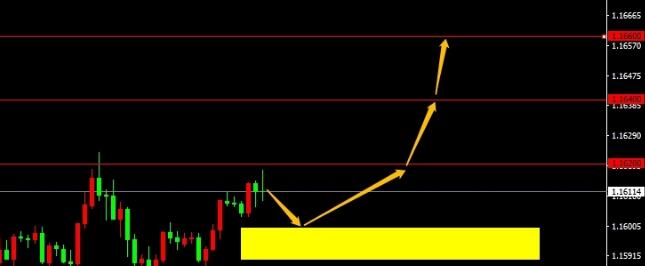
EUR/USD: Despite yesterday’s dip, the overall trend is shifting toward bullishness. Look for buying opportunities on dips around 1.1590–1.1600, with a stop loss of 20 points. Targets are set at 1.1620, 1.1640, and 1.1660.
AUD/USD: The Australian dollar pair is recommended for dip buying, with entries around 0.7395–0.7405 and a stop loss of 20 points. Targets are 0.7425, 0.7445, and 0.7465.
Gold: After breaking its balance level, gold shows signs of upward movement. However, short-term fluctuations suggest caution; look for buying opportunities on dips around 1786–1787, with a 3-dollar stop loss. Target prices are 1790, 1794, and 1799.