Comprehensive Guide to Dog Allergies: Causes, Symptoms, and Remedies
This comprehensive guide explores the causes, symptoms, and natural remedies for dog allergies. It highlights common allergens, signs to watch for, and effective home treatments, including diet modifications, environmental controls, and the proper use of essential oils. Understanding these factors can help pet owners better manage their dogs' allergic responses and improve their quality of life.
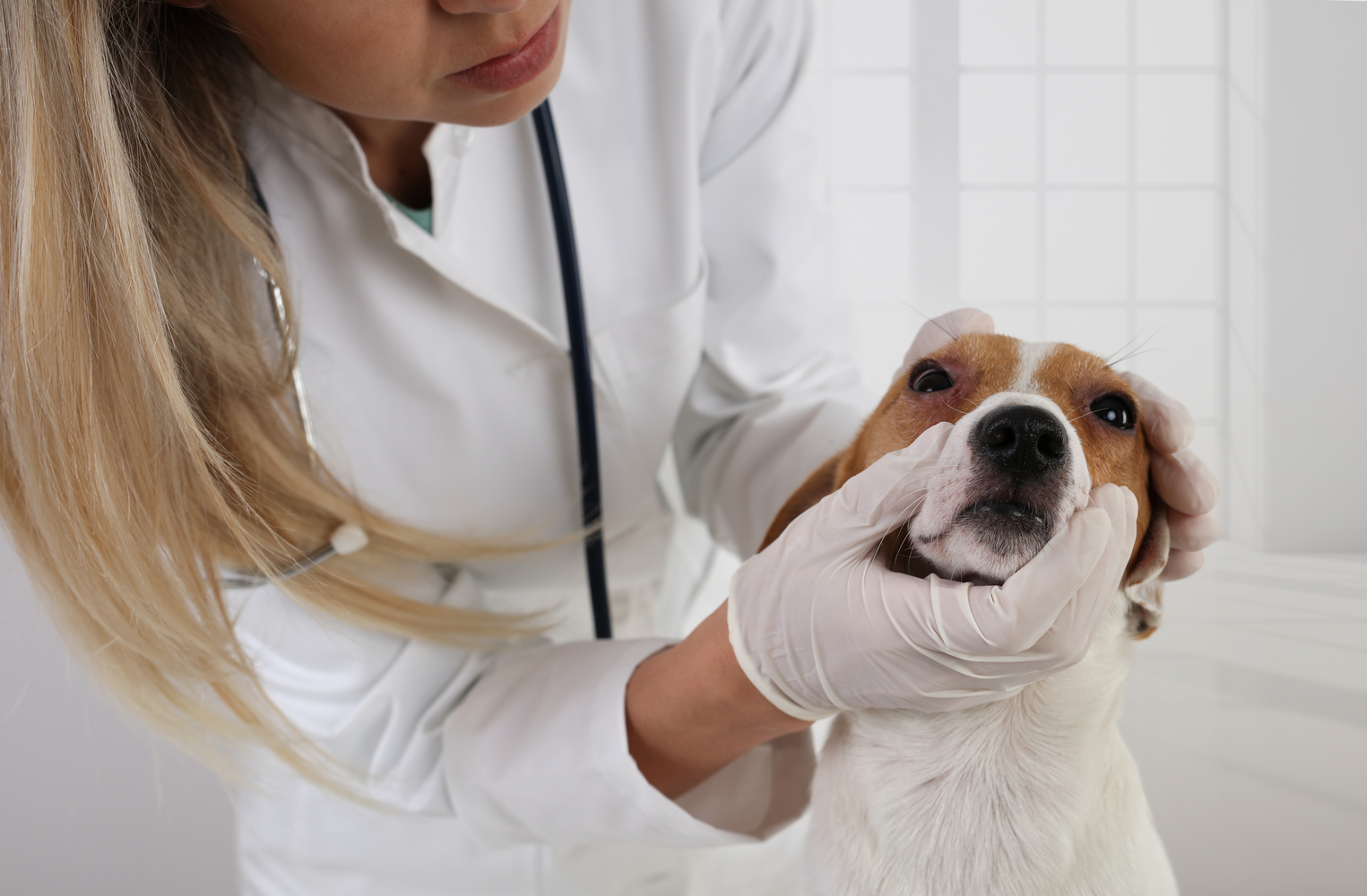
Comprehensive Guide to Dog Allergies: Causes, Symptoms, and Remedies
Dogs, like humans, can suffer from allergic reactions, and recognizing these allergies can be complex because their symptoms differ. For example, pollen might cause sneezing and watery eyes in people but lead to paw swelling and persistent scratching in dogs. Various allergens can provoke different responses, making diagnosis crucial.
Dogs are vulnerable to many allergens similar to humans, with some breeds more susceptible. Rarely, dogs can be allergic to cats, resembling human allergies. Here’s an overview of canine allergies, their origins, symptoms, and treatment options.
Primary Causes of Canine Allergies
Several factors can trigger allergies in dogs, including environmental triggers, food sensitivities, and insect bites. Pinpointing the cause often involves elimination and careful observation.
Environmental Triggers and Atopic Reactions - Indoor and outdoor factors such as fabrics like wool or cotton, mold spores, dust mites, cleaning chemicals, seasonal pollen, ragweed, grasses, and tobacco smoke can cause allergies. Other common triggers include pet dander, feathers, cockroaches, and synthetic materials like plastic and rubber.
Flea Allergy Dermatitis (FAD) - Caused by flea bites and saliva, FAD is quite common. Even a single flea bite can cause intense itching and skin inflammation, especially in sensitive dogs.
Breeds More Prone to Allergies - While any dog can develop allergies, some breeds are more vulnerable, including:
Cocker Spaniels
German Shepherds
Poodles
Boston Terriers
Golden Retrievers
Doberman Pinschers
Bull Dogs
Pit Bull Terriers
Pugs
Shar-Pei
Signs Indicating Allergies in Dogs
Common symptoms include:
Excessive scratching
Hair loss
Persistent licking
Red, inflamed skin
Itching around the tail
Ear infections
Skin scabs and lesions
Yeast infections on the skin
Natural Solutions for Food Allergies
Managing food allergies might involve:
Preparing homemade or raw meals
Feeding high-protein diets
Conducting elimination diets to identify allergens
Using vet-recommended natural supplements
Managing Environmental Allergies at Home
To reduce environmental allergy symptoms:
Use air purifiers
Regularly soak your dog’s paws in a vinegar-water solution to remove pollen
Clean with gentle, natural products
Using Essential Oils for Allergy Relief
When diluted properly, essential oils can offer quick relief for skin allergies. Useful oils include:
Sweet marjoram for severe skin issues
Chamomile to ease itching
Lavender for soothing skin
Helichrysum for pain and healing
Primrose for anti-itch benefits
Niaouli oil, with caution due to its strength