The Cultural Significance and Care of Prayer Beads
Discover the cultural importance of prayer beads, particularly their symbolic number 108, and learn the best practices for maintaining them. This article explores their role in spiritual traditions and offers practical care tips to enhance your meditation experience.
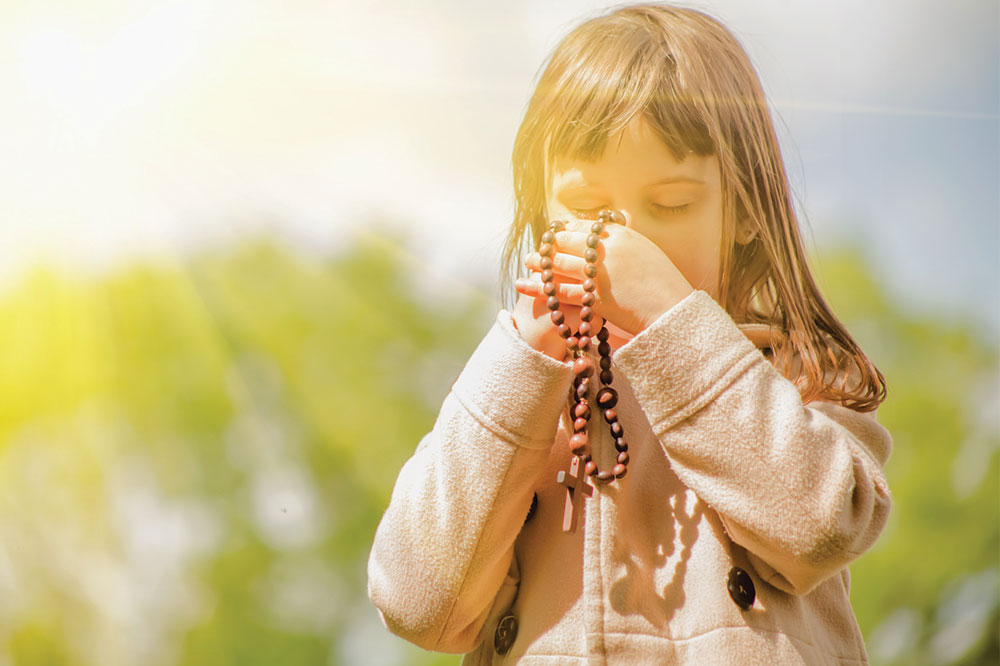
Exploring the Role and Meaning of Prayer Beads
Across many spiritual paths, prayer beads serve as essential aids in meditation and devotion. In Tibetan Buddhism, they are called “threngwa” and help practitioners stay focused while counting recitations of mantras or divine names. Usually comprising 108 beads with a special guru or “mother” bead, these malas symbolize the bond between teacher and disciple. They are instrumental in enhancing concentration and deepening spiritual practice during mantra repetition, often performed 108 times.
The Importance of the Number 108
The number 108 is revered in Hinduism, Buddhism, and Jainism. Malas with 108 beads enable mindful chanting, allowing practitioners to connect deeply with each sound and meaning. Repeating mantras 108 times nurtures awareness and spiritual growth, elevating meditation experiences.
How to Care for Prayer Beads
To maintain their spiritual and physical integrity, avoid placing prayer beads on the ground and store them in protective pouches. Clean them gently with a soft cloth regularly and keep away from water, especially during bathing. Removing beads before sleep prevents damage. Proper upkeep ensures your prayer beads remain effective and durable, supporting your spiritual journey.
Disclaimer: This article offers insights into spiritual tools like prayer beads based on thorough research. It is not a substitute for professional guidance. Always consult multiple sources for accuracy and best practices.