Essential Nutritional Strategies to Support Hemophilia Management
Explore key nutritional tips for managing hemophilia effectively. This guide highlights four vital food groups, including whole grains, calcium-rich foods, leafy greens, and iron sources, which can support blood clotting, bone health, and overall wellbeing. While diet plays a role, professional medical treatment remains essential for optimal care. Incorporate these dietary strategies alongside your treatment plan to help manage symptoms and prevent complications associated with hemophilia.
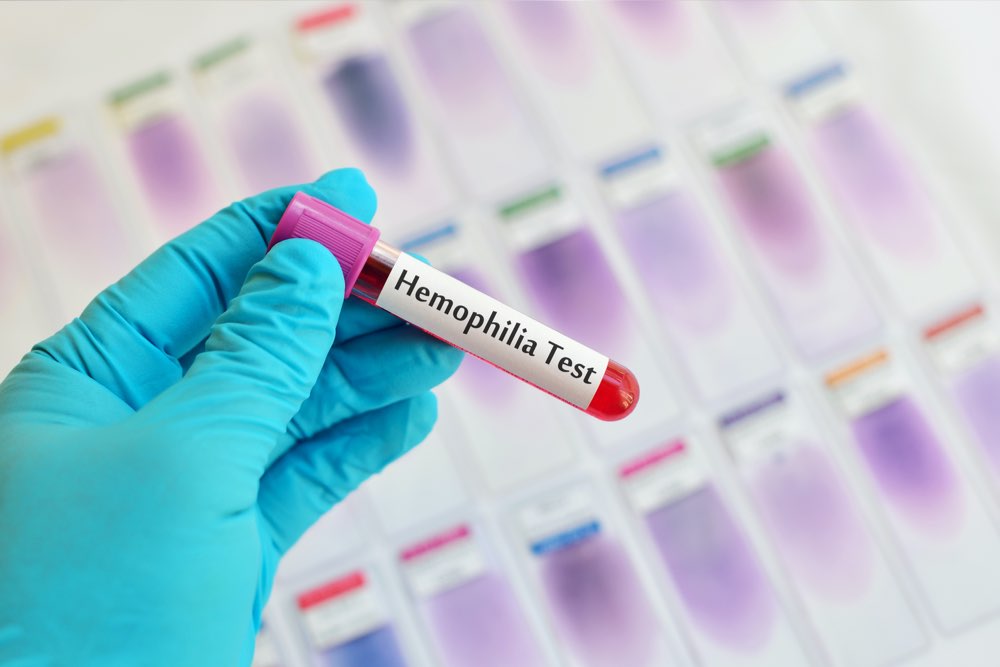
Essential Nutritional Strategies to Support Hemophilia Management
Hemophilia is a hereditary bleeding disorder often diagnosed during childhood. It impairs the blood’s ability to form clots effectively, leading to increased bleeding risks. This condition stems from a deficiency in clotting factors, though immune factors can also contribute.
While treatments such as clotting factor therapy and physical rehabilitation are crucial, diet also significantly influences symptom control and complication prevention. Here are four nutritious foods beneficial for those with hemophilia:
Whole grains
Oatmeal, brown rice, and barley are rich in fiber and nutrients that help stabilize blood sugar levels. They support cardiovascular health, a common concern in hemophilia, and help reduce chronic inflammation—an internal bleeding risk factor.
Calcium-rich foods
Adequate calcium intake strengthens bones and teeth, reducing fracture and bleeding risks associated with bone damage. Dairy products and fatty fish such as sardines and mackerel are excellent calcium sources, supporting skeletal resilience.
Leafy greens
Dark vegetables like kale, spinach, and collard greens are high in vitamin K, vital for proper blood clotting. These greens also promote bone health and may help mitigate hemophilia-related complications. Cabbage and beet greens add further benefits.
Iron-rich foods
Iron is essential for producing red blood cells, aiding recovery from bleeding episodes. Foods like dark chocolate, white beans, and baked potatoes supply necessary iron to boost muscle function and blood replenishment.
Important Reminder:
The content is intended for educational purposes only and is not a substitute for professional medical advice. Always consult healthcare providers for diagnosis and treatment tailored to hemophilia or other health concerns.