Common Sleep Challenges: Causes and Signs to Watch For
Discover common sleep disorders such as sleep apnea, insomnia, and restless legs syndrome, along with their symptoms and factors affecting sleep quality. Understanding these issues helps in seeking proper treatment and improving overall restfulness for better health and well-being.
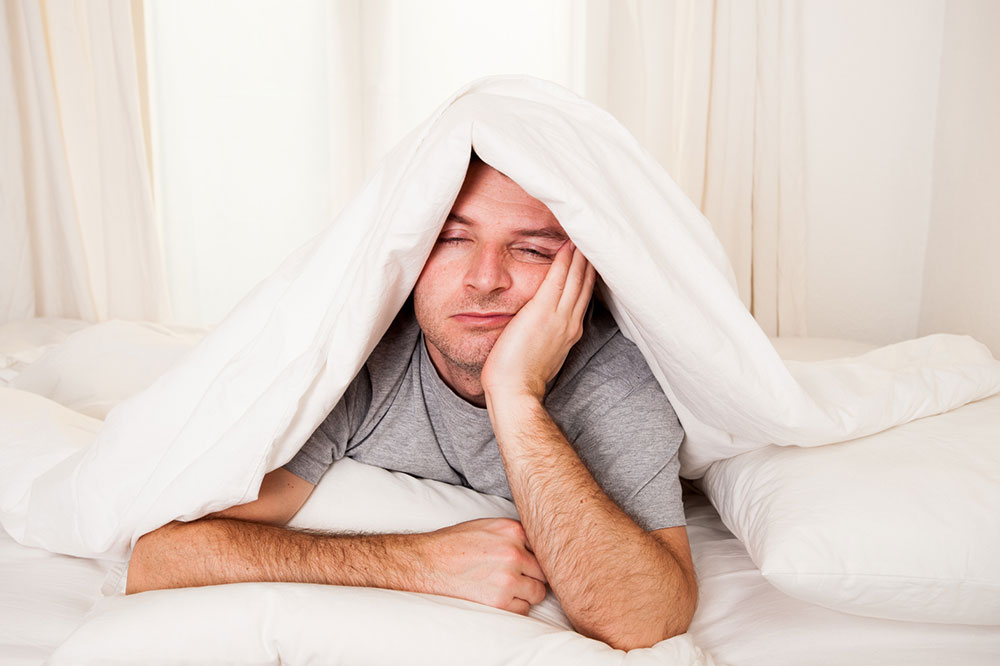
Achieving a consistent 8-hour sleep each night is essential for adults, promoting overall health, mental sharpness, and emotional well-being. Restful sleep helps balance hormones, reduce tiredness, and elevate mood. Nonetheless, many face sleep disruptions that hinder this vital process, impacting health and daily functioning. Identifying common sleep issues and their symptoms is crucial for effective management.
Here are some frequent sleep problems and how to recognize them:
Sleep Apnea
This serious condition involves breathing interruptions during sleep. Individuals may wake suddenly gasping for air due to airway obstructions or neurological signals affecting breathing.
Types include obstructive sleep apnea, caused by airway blockages, and central sleep apnea, which results from brain signaling issues.
Restless Legs Syndrome (RLS)
This condition leads to intense urges to move the legs, making falling asleep challenging and causing restless nights.
Insomnia
Characterized by difficulty falling or staying asleep, some individuals experience chronic insomnia over extended periods.
Narcolepsy
A neurological disorder that triggers uncontrollable daytime sleep attacks and may involve sleep paralysis.
REM Sleep Behavior Disorder
In this disorder, muscle paralysis during REM sleep is incomplete, allowing individuals to physically act out their dreams through movements, speech, or vocalizations.
Factors Affecting Sleep Quality
Several elements, both physical and mental, can influence sleep, including:
Pain
Chronic discomfort from issues like arthritis or migraines can hinder falling asleep or cause frequent awakenings, leading to fragmented sleep.
Anxiety
Excessive worry can disrupt sleep patterns, making it hard to fall asleep and possibly causing nightmares.
Nocturia
Multiple awakenings to urinate, often due to hormonal imbalances or infections, can fragment sleep and diminish restfulness.
Respiratory Conditions
Illnesses such as colds or respiratory infections can cause breathing problems, snoring, and sleep disturbances that affect overall sleep quality.
Important Reminder:
The details shared about symptoms and treatments are for educational purposes only and should not substitute professional medical advice. Always consult qualified healthcare providers for any health concerns or symptoms. Use this information responsibly and seek medical guidance when necessary.