Eight Foods to Avoid for Managing Arthritis Symptoms
This article highlights eight dietary items to avoid for arthritis management, emphasizing foods that can worsen inflammation and joint discomfort. Adjusting your diet by limiting red meats, processed snacks, sugars, and certain cereals can help reduce symptoms. Always consult healthcare professionals for personalized advice on managing arthritis effectively.
Eight Dietary Items to Minimize When Dealing with Arthritis
Arthritis is a long-term condition marked by joint inflammation, soreness, and swelling. Its development can be influenced by lifestyle choices, health issues, and diet. Certain foods can fuel inflammation and intensify symptoms. Adjusting your diet accordingly can help improve your quality of life with arthritis. Here are eight common foods recommended to limit or avoid to alleviate joint discomfort.
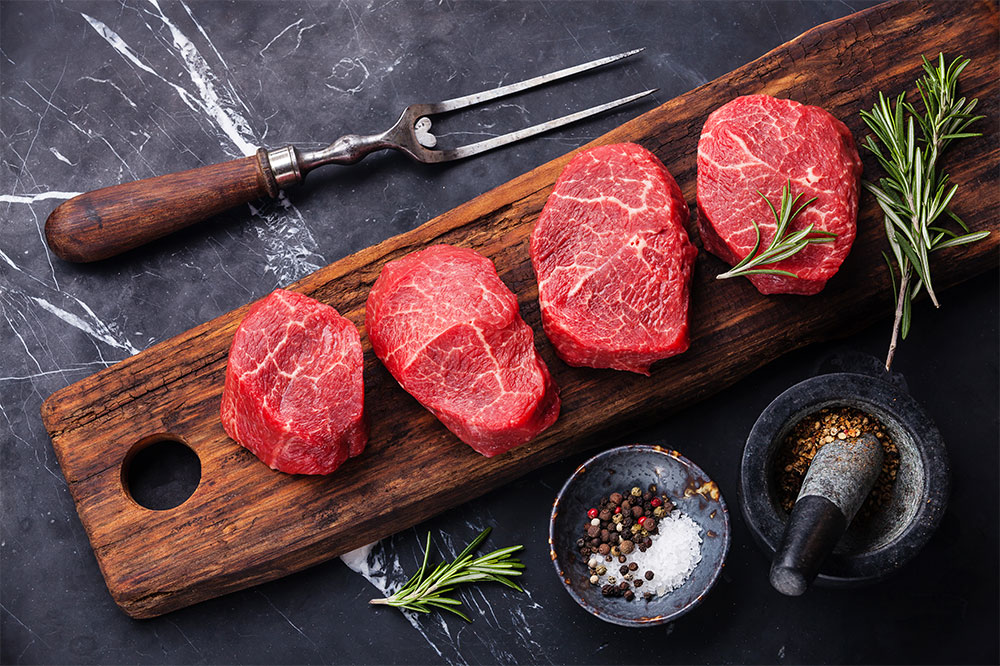
Red Meat
Beef, pork, and lamb are rich in saturated fats, which may promote inflammatory processes. Cooking at high temperatures can also produce compounds that may increase joint pain.
Refined Carbohydrates
Simplified carbohydrate foods like white rice, white bread, and baked goods can cause blood sugar fluctuations, potentially worsening arthritis symptoms.
Processed Snacks
Packaged snacks with preservatives, artificial flavors, and additives like MSG, excess salt, and sweeteners may heighten joint inflammation.
Added Sugars
Sweets, candies, and sugary treats can trigger inflammation and joint pain by impairing immunity and increasing inflammatory responses.
Canned Products
Canned vegetables and fruits often contain preservatives, salt, and sugars, which can elevate blood glucose and sodium levels, aggravating arthritis symptoms.
High-Fat Dairy
Whole milk, cheese, and flavored yogurts with added fats can lead to flare-ups due to their inflammatory effects. A diet rich in fats may worsen joint pain.
Sugary Beverages
Sodas, flavored drinks, and sweetened teas contain fructose that can promote chemicals linked to increased joint inflammation during digestion.
Gluten Sources
Proteins from wheat, barley, and rye may exacerbate symptoms in gluten-sensitive individuals, causing more inflammation and pain.
Key Reminder:
This overview offers general guidance on symptoms and dietary strategies. It is not a substitute for professional medical advice. Always seek consultation from qualified healthcare practitioners for diagnosis and treatment planning.