The Ultimate Guide to Contact Lenses: Modern Vision Correction Options
Discover the comprehensive guide to contact lenses, highlighting their benefits, types, suitability, and essential tips for first-time users. Learn why they are a popular choice worldwide for clear and convenient vision correction, with advice on safety and maintenance to ensure healthy eye care.
The Ultimate Guide to Contact Lenses: Modern Vision Correction Options
Introduction to Contact Lenses
Contact lenses provide a popular and convenient alternative to traditional glasses for vision correction. With millions worldwide, including over 168 million Americans, they are increasingly preferred. This article explains what contact lenses are, their features, who can use them, and essential tips for beginners, highlighting their advantages and growing popularity.
Purpose and Functionality
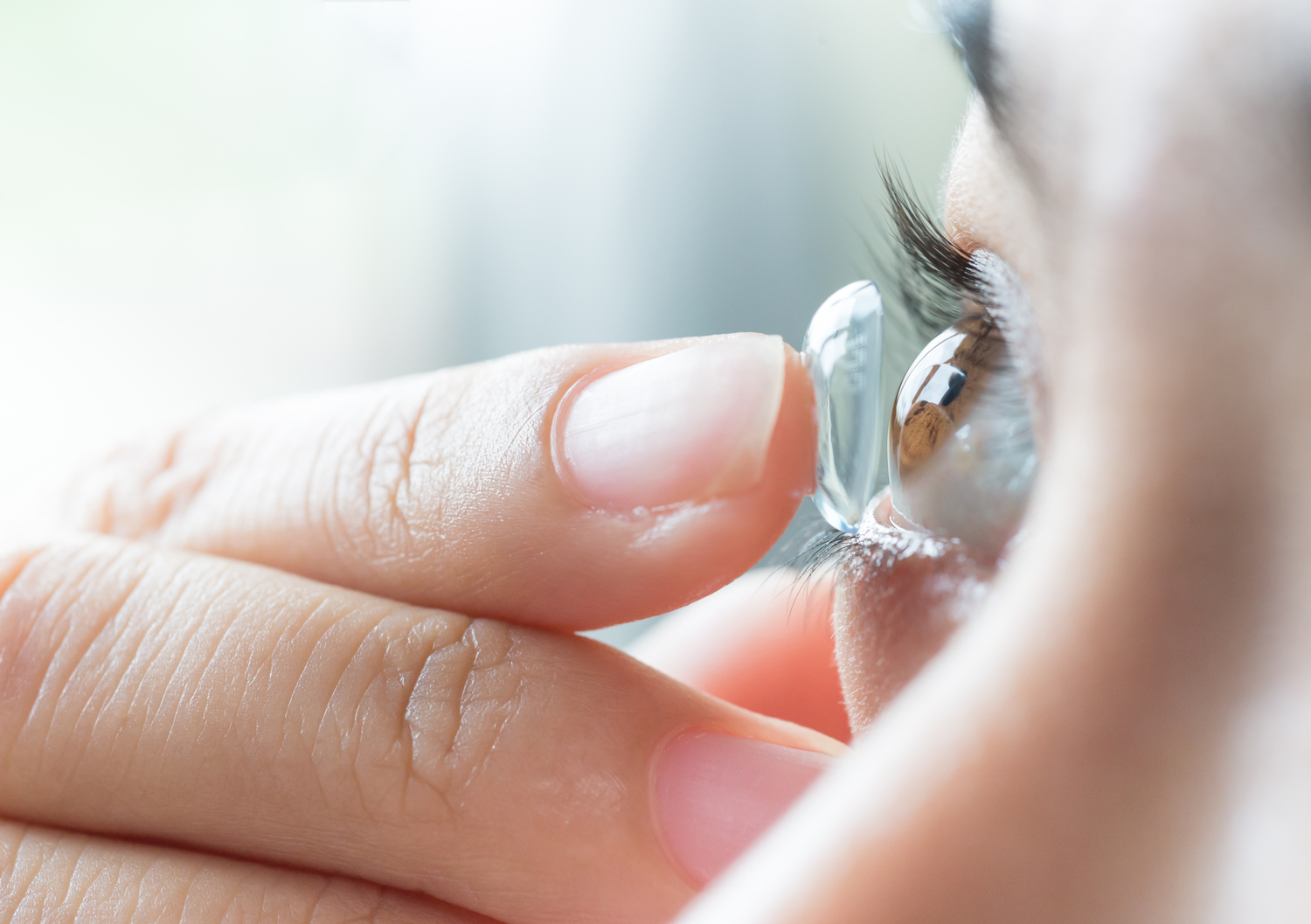
Small optical devices that sit directly on the eye’s surface.
Designed to correct refractive errors by properly focusing light for clear eyesight.
Float on the tear film covering the cornea, moving naturally with your eye movements.
Having lenses move with the eye provides a wider, unobstructed view compared to glasses.
Contact Lens Features
Different durations—daily, weekly, monthly, or yearly—require adherence to ensure safety.
Prescriptions are customized based on individual needs, determined by eye care specialists.
Available in bifocal, multifocal, and monovision styles for various vision issues.
Cosmetic options include colored lenses in shades like blue, green, red, violet, and gray, with or without vision correction.
Who Should Avoid Using Contact Lenses?
People with severe allergies, frequent infections, dry eyes, or dusty environments should seek professional advice before wearing lenses.
Young children are typically advised against contact lenses due to handling challenges; glasses are preferable until maturity.
Tips for New Users
Store lenses securely in fresh solution, changing it daily per instructions.
Always wash and dry hands thoroughly before handling lenses to prevent irritation.
Clean lenses regularly with gentle rubbing and fresh solution to remove debris.
Avoid swimming while wearing lenses to prevent water damage or infections.
Never sleep with lenses in to avoid complications and deposit buildup.
Adhere to prescribed replacement schedules for healthy eyes.
The Rising Trend of Contact Lenses
Contact lens use has grown by about 4% annually since 1991.
They offer a discreet, hygienic alternative to glasses, ideal for active lifestyles.
Low maintenance and convenience drive their popularity among users.
Enhanced aesthetics and compatibility with various lifestyles contribute to their increasing demand.
By understanding these essentials, you can confidently decide if contact lenses are right for your vision needs!