A Complete Guide to Rheumatoid Arthritis: Causes, Signs, and Management
Explore everything about rheumatoid arthritis—from its causes and symptoms to diagnosis and management strategies. Learn how early detection and treatment can help prevent joint damage and improve overall well-being. This comprehensive guide provides insights into medications, therapies, and lifestyle modifications crucial for managing RA effectively.
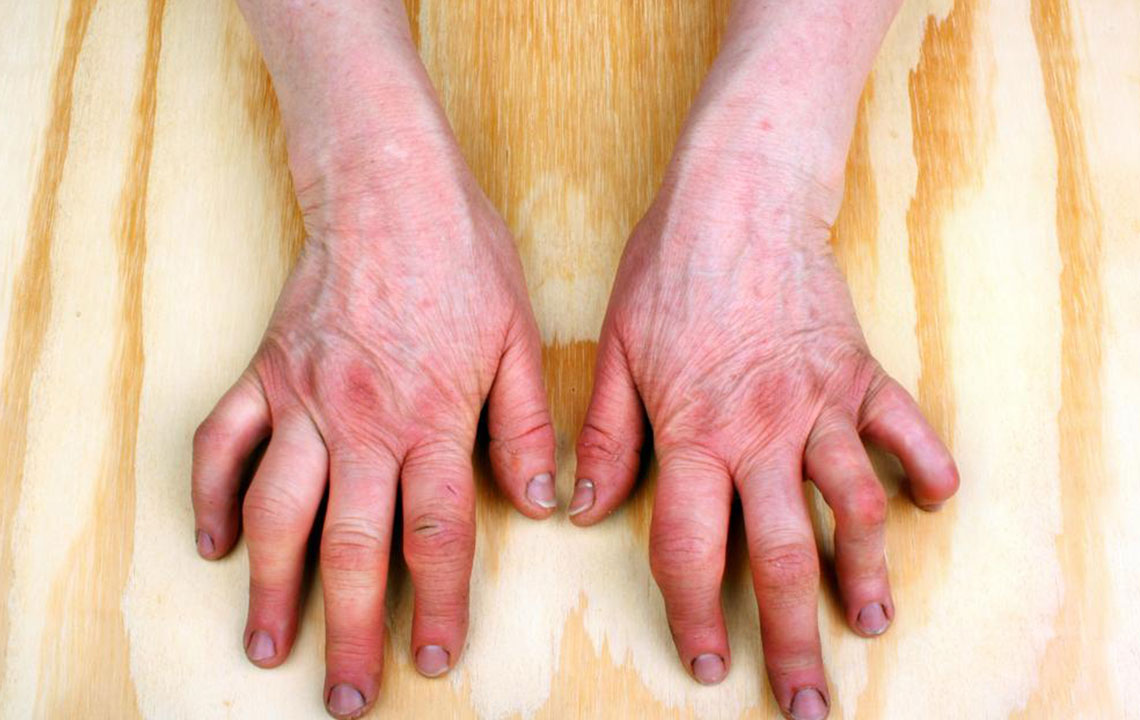
An In-Depth Overview of Rheumatoid Arthritis: Causes, Symptoms, and Treatment
Rheumatoid arthritis (RA) is a chronic autoimmune condition without a definitive cure, but early detection and management can greatly enhance daily life. It mainly affects joints but can also involve organs like the lungs, eyes, and voice box.
Primary Symptoms
RA typically affects both hands and feet, leading to swelling, redness, pain, and tenderness in joints such as wrists, elbows, and knees. The exact cause remains unclear, though genetics, particularly in women, contribute to its development.
Because symptoms can differ, diagnosis involves various tests. Common indicators include stiff joints, especially in the mornings lasting over an hour, along with redness and warmth. Swelling results from fluid build-up, while persistent pain comes from ongoing inflammation.
RA can also cause systemic issues like fatigue, muscle pain, decreased appetite, and weight changes. Some patients develop rheumatoid nodules, which are skin bumps, often on the elbows.
Diagnosing RA involves blood tests for RF and antinuclear antibodies, combined with imaging studies and clinical assessments. Treatment options include medication, physical therapy, and surgery for severe cases. Early intervention can slow joint damage and improve functionality.
NSAIDs are used to manage pain and inflammation but don't prevent joint degradation. Disease-modifying antirheumatic drugs (DMARDs) slow disease progression but may cause side effects like infections. Biologic agents target specific immune pathways to reduce inflammation but can suppress immunity. Corticosteroids are employed short-term during flare-ups for relief.
In addition to medications, physical and occupational therapies improve joint range of motion and daily functioning. Heat, cold therapy, exercises, and psychological support through cognitive therapy also form part of comprehensive care. Prompt diagnosis and treatment are vital for minimizing symptoms and maintaining life quality.