Essential Guide to Bone Density Scans: Key Insights and Procedures
Discover the essentials of bone density testing, including its purpose, procedure, and benefits. Learn how early detection helps prevent fractures, especially for at-risk groups. The article covers the types of tests, ideal candidates, and what to expect during the assessment. Understand the importance of monitoring bone health to maintain strength and prevent osteoporosis-related complications. Quick, painless, and non-invasive, bone density scans are vital tools in early diagnosis and treatment planning to ensure better bone health outcomes.
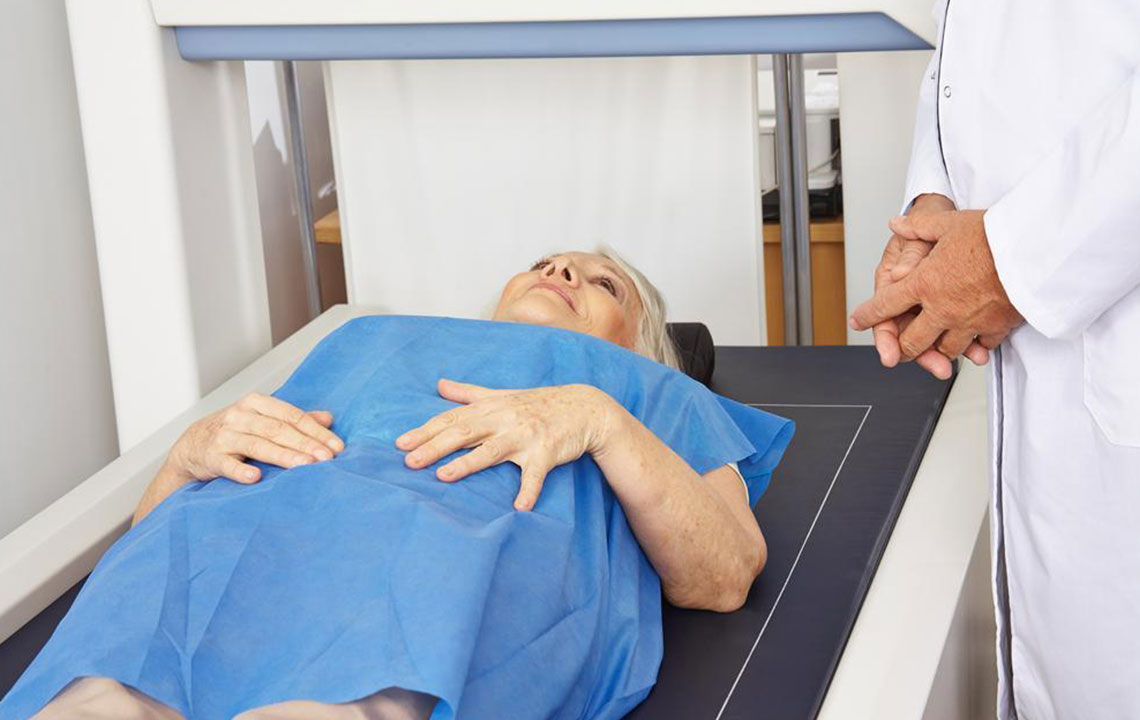
Understanding Bone Density Scans: Important Facts and Methodology
Bone density evaluations are critical for detecting osteoporosis, a disease that weakens bones and heightens fracture risk. Historically, osteoporosis was diagnosed only after fractures occurred, often too late for effective intervention. Today, specialized imaging techniques utilize X-rays to measure mineral levels like calcium in bones such as the hips, spine, and forearms, allowing for early detection of bone loss. These assessments are vital for tracking treatment effectiveness and preventing fractures by identifying weakening bones prematurely. Unlike bone scans that detect broader bone issues with contrast agents, bone density tests specifically measure mineral content in bones.
The test is recommended for individuals showing signs like height reduction, fractures from minor falls, or those on medications such as steroids. It is also suitable for transplant recipients and women post-menopause or undergoing cancer therapies affecting hormones. While generally safe and quick, limitations include inconsistent results with portable devices and potential lack of insurance coverage. The procedure is painless, requires no special prep, and usually targets the spine, hips, and forearms, using either central or peripheral machines—peripheral options being more accessible and budget-friendly.
Note:
This website shares health information based on current research but does not replace professional medical advice. For personalized assessment, consult your healthcare provider. We are not responsible for variations in medical data or insurance coverage. Always verify coverage options and discuss diagnostic choices with your doctor for proper diagnosis and treatment planning.