Essential Insights into Your Lipid Panel for Heart Health
Learn about the components of your lipid profile, including LDL, HDL, triglycerides, and total cholesterol. Regular testing helps monitor heart health and guides lifestyle or medication changes to reduce cardiovascular risk. Understand what each component indicates and how to maintain optimal levels for longevity and well-being.
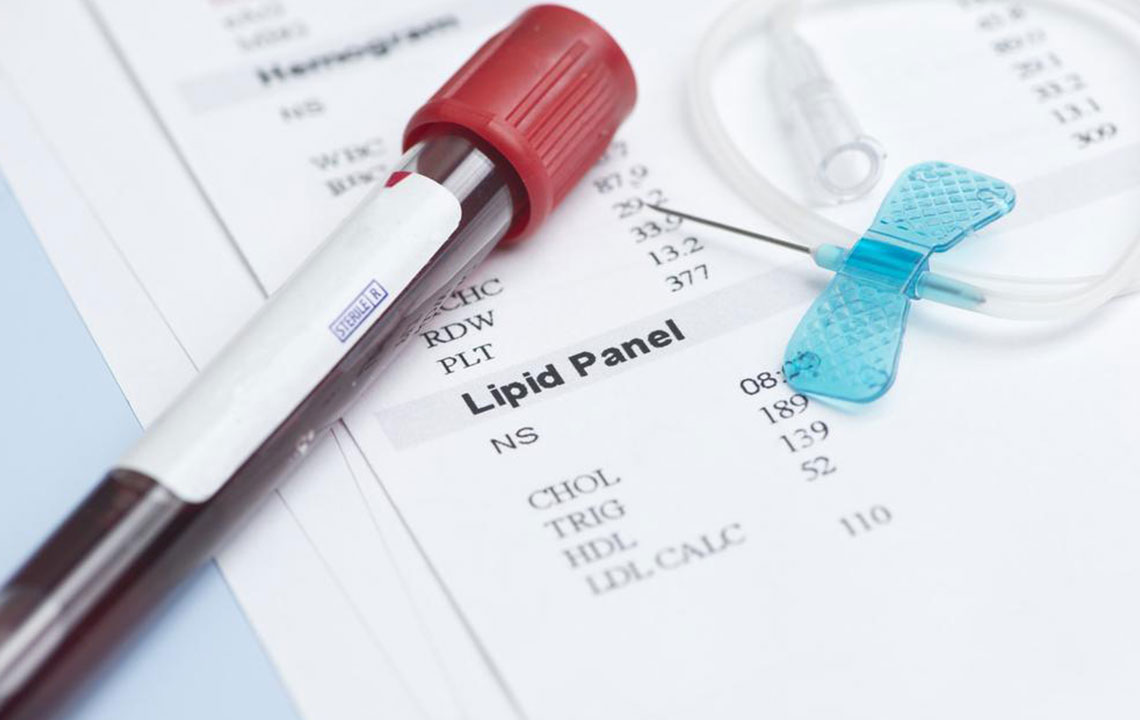
Essential Insights into Your Lipid Panel for Heart Health
Regular monitoring of blood cholesterol is crucial after age 20, with tests recommended every five years to ensure overall health. The lipid panel measures different blood lipids, with increased frequency suggested for women over 45 and men over 35 to catch early imbalances.
The lipid profile assesses:
Overall cholesterol
LDL ("bad" cholesterol)
HDL ("good" cholesterol)
Triglycerides, fats absorbed from food and stored in fat tissues
High consumption of alcohol, sugar, and calories can raise triglyceride levels stored in body fat. Blood results are given in mg/dL but don't solely determine heart attack risk. Factors such as age, blood pressure, blood sugar, lifestyle, medications, and overall health are taken into account.
This data assists doctors in estimating a person’s 10-year chances of serious heart issues. Based on results, personalized strategies can be developed to lower potential risks. The report details total cholesterol, LDL, HDL, and triglycerides, helping inform healthcare decisions.
Understanding Lipoprotein Types
LDL Cholesterol: Known as "bad" cholesterol, high LDL levels can cause artery plaque buildup, raising heart disease risk. Levels over 190 mg/dL are considered very high, often requiring lifestyle changes and medication like statins. The aim is to reduce LDL through diet, exercise, and medications if needed, to lower the 10-year risk of heart problems.
HDL Cholesterol: Referred to as "good" cholesterol, higher HDL levels help prevent heart disease by removing LDL from arteries. Lifestyle steps like quitting smoking, regular exercise, and healthy eating can boost HDL. Women generally have higher HDL levels than men.
Triglycerides: These fats come from diet and are stored in fat cells. When elevated above 200 mg/dL, they increase cardiovascular risk. Keeping levels below 150 mg/dL through diet, activity, and medications when needed is recommended.
Total Cholesterol: This combines HDL, LDL, and other lipids, giving an overall view of lipid health. It is a valuable indicator but should be interpreted with other factors for complete risk assessment.
Achieving healthy cholesterol levels depends on regular testing, a balanced diet low in triglycerides, and an active lifestyle. These practices can reduce heart disease risk and improve overall health.