Simple Ways to Reduce Your Risk of Developing Type 2 Diabetes
Learn simple, effective strategies to lower your risk of type 2 diabetes through weight management, diet, and lifestyle changes. Discover practical tips to improve insulin sensitivity, reduce risk factors, and maintain overall health. Implementing these habits can significantly decrease your chances of developing this common condition and associated health problems.
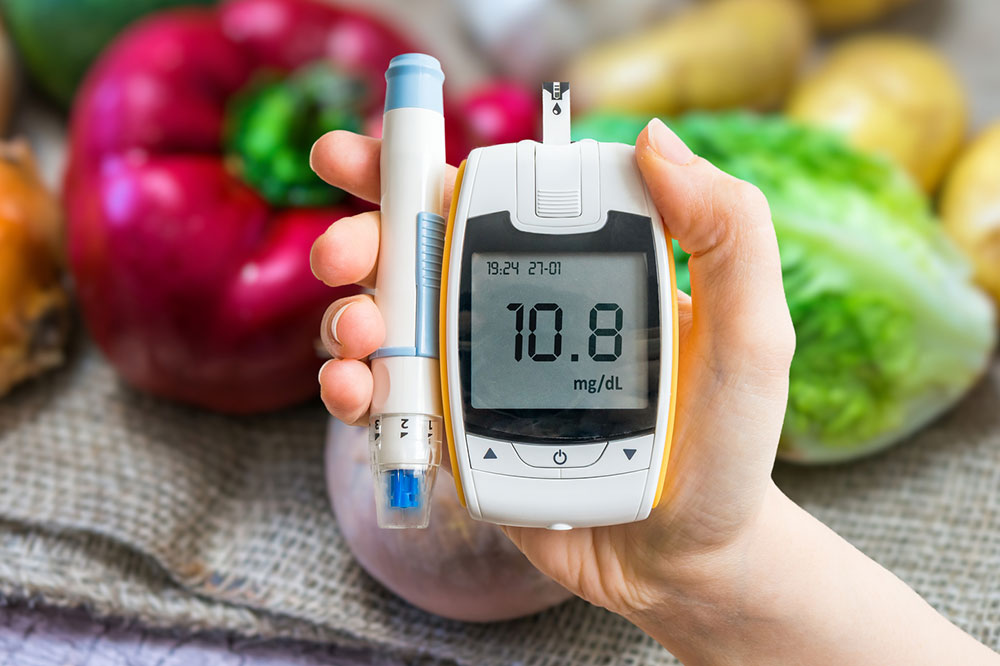
Effective Methods to Lower Your Chances of Getting Type 2 Diabetes
Type 2 diabetes results from high blood sugar levels due to the body's inability to produce or utilize insulin efficiently. It affects millions worldwide annually. Preventing insulin resistance through lifestyle changes is vital. Implementing straightforward, evidence-based habits can significantly diminish the likelihood of onset and related health complications.
Maintain optimal body weight
Gaining excess weight, particularly around the waist, increases diabetes risk. Losing just 7-10% of your body weight can halve this risk. Prioritize a balanced diet and consistent exercise to control weight and improve insulin sensitivity.
Limit smoking and alcohol consumption
Heavy smoking elevates the risk of diabetes, while moderate alcohol intake may support insulin function. Overindulgence in either can be harmful. Reducing these habits promotes better blood sugar management and overall health.
Engage in regular physical activity
Consistent movement helps prevent diabetes. Simple activities like a 30-minute brisk walk five times weekly can reduce risk by approximately 30%. Exercise boosts insulin responsiveness and enhances glucose uptake by muscles.
Follow a healthy diet
Choose whole grains such as oats, quinoa, and brown rice over refined carbs. Cut back on sugary beverages and processed foods rich in trans fats. Incorporate lean proteins and reduce red meat intake for better metabolic health and lowered risk of diabetes.
Note:
This content offers general health guidance and does not substitute professional medical advice. Please consult healthcare providers for personalized recommendations. Use this information responsibly and seek medical help if necessary.