Different Types of Electrical Cables and Their Applications
Explore the main types of electrical cables, including underground, armored, and coaxial options, and understand their specific uses in residential and outdoor settings for safe and reliable power and data transmission.
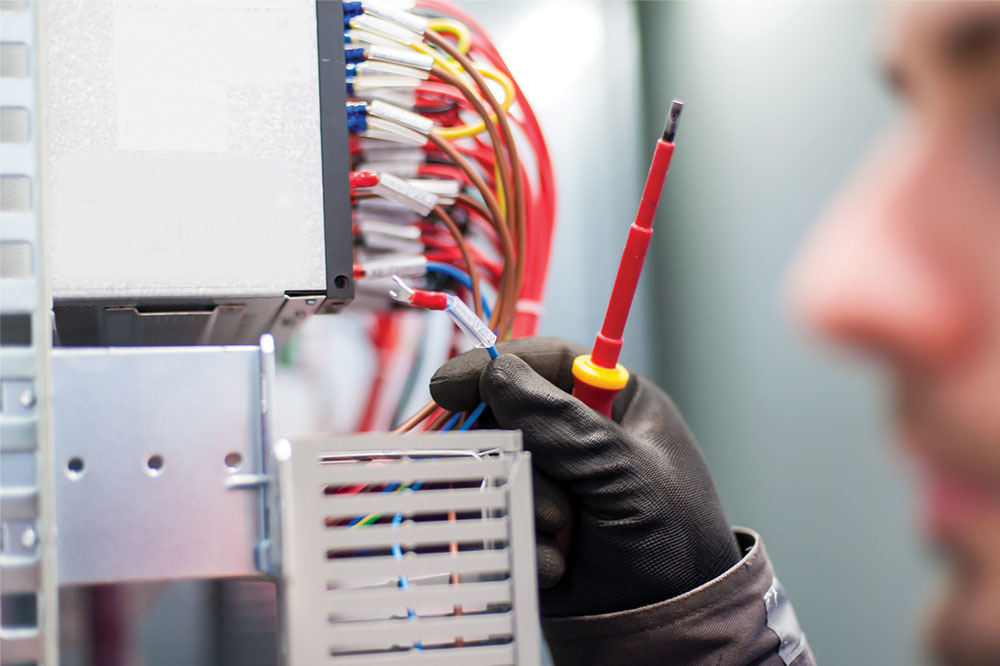
Electrical cables consist of bundled wires encased in protective sheathing to ensure safe power transmission. They vary based on their design and intended use. Below is an overview of commonly used cable types:
Underground Feeders (UF) Cables
These cables have bundled conductors within a water-resistant, flexible jacket, making them ideal for outdoor installations like lighting and signage underground.
Multi-Conductor Cables
equipped with multiple insulated wires, these cables are popular in residential wiring and support various applications, including audio setups like snake cables.
Armored Cables
Protected with steel or aluminum sheathing, armored cables are highly durable and resistant to impacts, rodent damage, and fire, suitable for tough environments.
Nonmetallic Sheathed (NM) Cables
Containing a few insulated conductors plus a grounding wire, these flexible plastic-coated cables are commonly used indoors but can also be employed outdoors or underground in specific cases.
Direct-Buried Cables (DBC)
Designed for underground deployment without piping, these cables feature tough rubber and water-resistant coverings, making them suitable for harsh environments and outdoor transmission lines.
Coaxial Cables
Used primarily for data transfer, such as TV and internet signals, coaxial cables have an inner conductor, insulation, and an outer shield, though their use has declined with HDMI's rise.
These cable varieties differ in insulation material, strength, and capacity, fulfilling different electrical requirements efficiently.