How to Recognize Skin Blemishes and When to Seek Medical Help
Learn to identify common skin blemishes and understand when professional medical attention is necessary. This guide covers benign marks, infections, and skin cancers, along with treatment options and precautions for skin health.
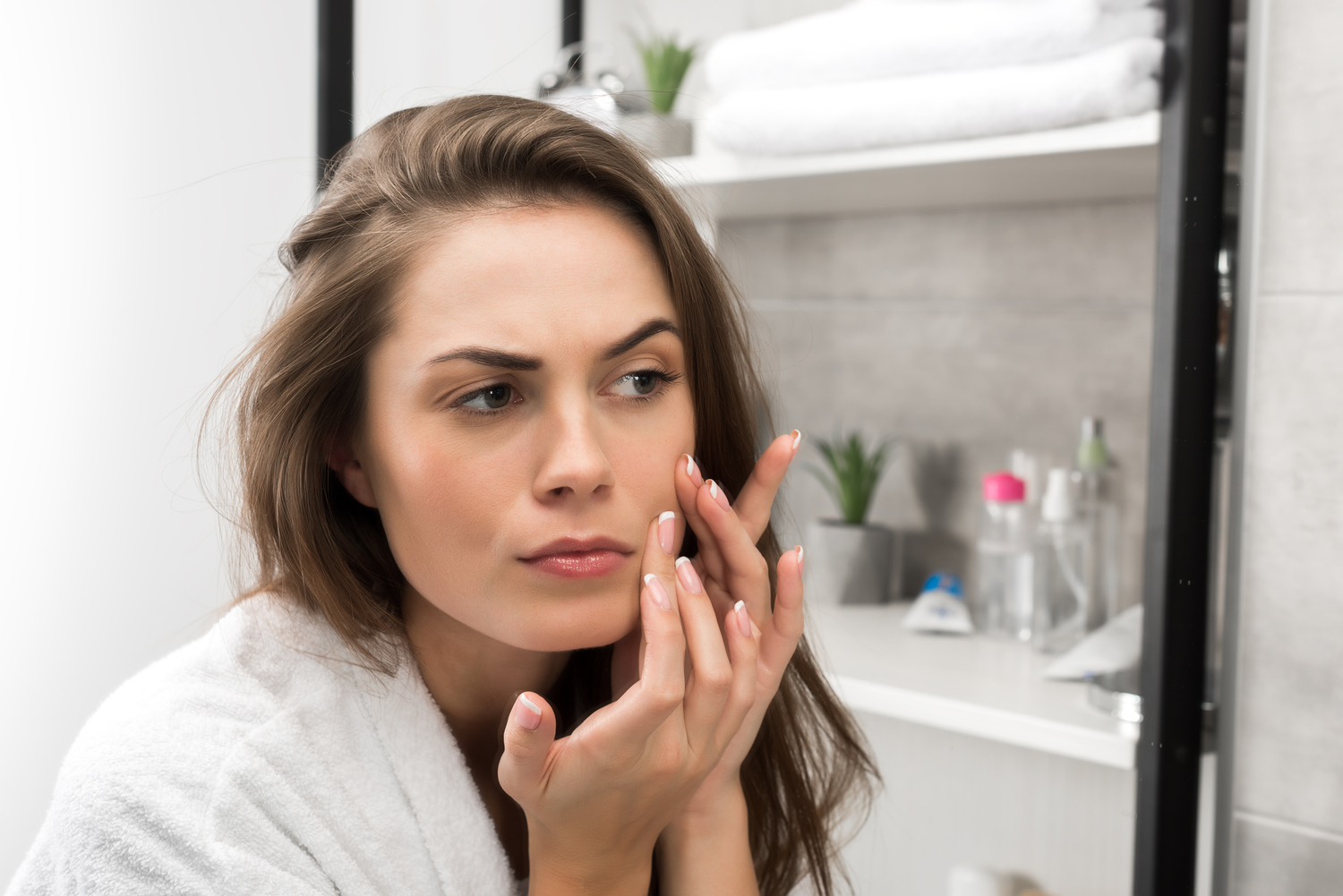
Overview of Skin Blemishes
Skin blemishes are tiny, raised marks that usually pose no serious health risk. They can appear in red, flesh-toned, or darker shades and differ in size. These marks might be itchy, dry, or pustular, often resulting from allergies, infections, or skin disorders, including skin cancer. Most blemishes resolve without intervention, but persistent or painful ones should be evaluated by a healthcare professional. Common causes include eczema, psoriasis, insect bites, or other dermatological conditions.
Common types of skin blemishes:
Acne presents as small to large red or inflamed bumps that can be tender.
Folliculitis involves infected hair follicles that may drain pus and heal over time.
Calluses and corns are thickened skin patches caused by repetitive friction, mainly on hands and feet.
Cysts are fluid or air-filled lumps under the skin that may cause discomfort.
Serious skin issues requiring prompt medical attention include:
Some infections or bacterial bumps need urgent care, such as:
Chickenpox, common in children, causes widespread red spots needing immediate treatment.
Impetigo features oozing blisters and is highly contagious among kids.
MRSA infections produce swollen bumps with white centers that require medical attention.
Skin cancer-related growths include:
Actinic keratosis appears as crusty, scaly bumps on sun-exposed skin, often gray, pink, or brown, and may itch.
Basal cell carcinoma manifests as shiny, bleeding, red bumps that can be painful.
Squamous cell carcinoma presents as sores or red patches in sun-exposed regions.
Melanomas are irregular, multi-colored moles needing professional assessment.
When to consult a healthcare provider & treatment options:
If a blemish causes pain, itchiness, or changes in appearance, see a doctor.
Doctors may perform physical exams and inquire about lifestyle habits.
A biopsy might be required to exclude cancer.
Suspicious or severe blemishes should be referred to specialists.
Available treatments:
Benign skin marks can often be removed through cryotherapy, surgery, or other techniques.
Medicines like antibiotics help treat infections; home remedies such as lemon juice, calamine lotion, or potato slices may provide relief.
Cancerous growths typically need complete excision.
Follow-ups are necessary to assess healing and treatment success.
Note:
Our blog shares useful health tips on various topics. Always consult healthcare professionals for diagnosis and treatment. The information is intended for educational purposes and does not replace professional medical advice. We are not responsible for inaccuracies or platform differences. Seek expert help for any health concerns.