A Brief History of Camera and Camcorder Development
This article explores the history and technological evolution of cameras and camcorders, highlighting key innovations from the late 20th century to modern digital formats. It covers major developments, industry competition, and how these devices have become more portable and affordable for consumers and professionals alike.
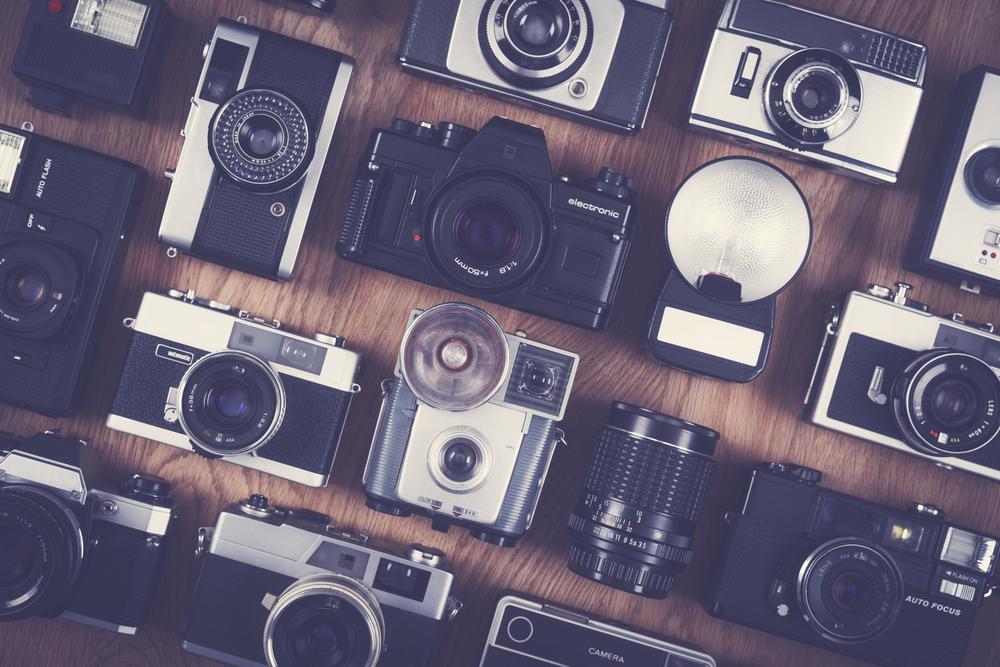
The Evolution of Cameras and Camcorders: A Historical Perspective
The word "camcorder" combines "camera" and "recorder," reflecting its role as a unified recording device. The progression of these technologies was accelerated by advances in digital and information systems. In 1977, inventor Jerome H. Lemelson filed for a patent on a handheld camcorder; although initially rejected, he persisted and succeeded in 1982, creating a portable device that captured both video and audio, paving the way for JVC's first handheld camcorder.
In parallel, Sony developed Betacam technology shortly after, enhancing portability through hardware miniaturization. Devices like the BMC 100 combined camera and recorder units, removing bulky cables and transforming production workflows. However, high costs restricted consumer use, fueling fierce competition among brands like Sony and JVC, each pushing technological boundaries.
Consumer interest drove further innovations. In 1983, Sony introduced the Betamovie BMC 100P, although its ergonomic design required shoulder support. JVC introduced the VHS-C camcorder, followed by Sony's compact Video8 format in 1985. Other brands like Panasonic and RCA produced models using full-sized VHS tapes for extended recordings. The emergence of SVHS and Hi8 formats in 1987 enhanced affordability and performance for both professionals and hobbyists.
Digital technology's impact grew with the 1985 introduction of the DV format by Sony, JVC, and Panasonic, revolutionizing home and independent filmmaking. Ongoing innovations have continually advanced filming tech, making high-quality video recording more accessible than ever.