Budget-Friendly Housing Options for Low-Income Families
Discover affordable housing options for low-income families, including government programs like public housing, vouchers, and tax credits. Learn how to locate cost-effective residences in safe neighborhoods and explore relocation tips to reduce living expenses while maintaining quality standards.
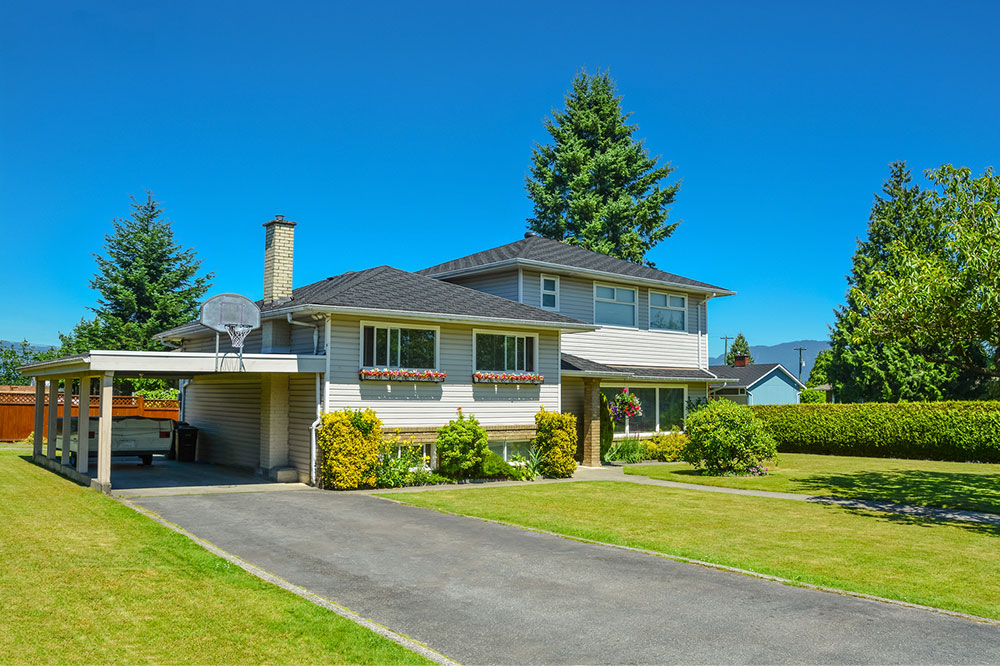
Accessing affordable housing solutions, whether buying or renting, can be a challenge for many low-income households. Finding quality residences within tight budgets, especially in sought-after areas, is difficult. Thankfully, new initiatives and online platforms now offer a variety of affordable housing options nationwide. These resources help individuals find rental properties that fit their financial situation, making safe and comfortable living more accessible.
Considering relocating to affordable neighborhoods or nearby towns with lower rents can also be beneficial. When choosing a new location, assess factors like safety, amenities, schools, transportation, and overall living costs, including food and commute expenses. In some cases, staying within your current area may be more economical than moving.
Additionally, exploring government programs designed to support affordable housing can provide substantial assistance. The U.S. Department of Housing and Urban Development (HUD) manages several initiatives aimed at helping low-income families secure quality, safe homes. Programs include public housing, housing vouchers, and tax credits.
Public housing offers subsidized apartments or houses managed by local agencies. The Section 8 housing voucher program allows tenants to rent through approved private landlords, paying around 30% of their income, with the government covering the rest. The Low-Income Housing Tax Credit (LIHTC) incentivizes private developers to include affordable units in their projects, often mixing market-rate and subsidized rentals.
Various assistance programs also target specific groups like seniors, victims of natural disasters, immigrants, and disabled persons. These programs may require tenants to pay 10-30% of their income toward rent, ensuring access to safe and well-equipped homes in good neighborhoods. Careful selection of location is crucial to access quality schools and amenities, enhancing overall living conditions.