11 Fast-Germinating Grasses Ideal for a Lush, Healthy Lawn
Discover 11 fast-growing grass types perfect for establishing a vibrant, healthy lawn quickly. From cool-season varieties like perennial ryegrass to drought-tolerant Bermuda grass and resilient Tall Fescue, find the ideal species for your climate and lawn needs. Learn about their growth requirements, maintenance, and best planting times to ensure lush, durable turf with minimal effort.
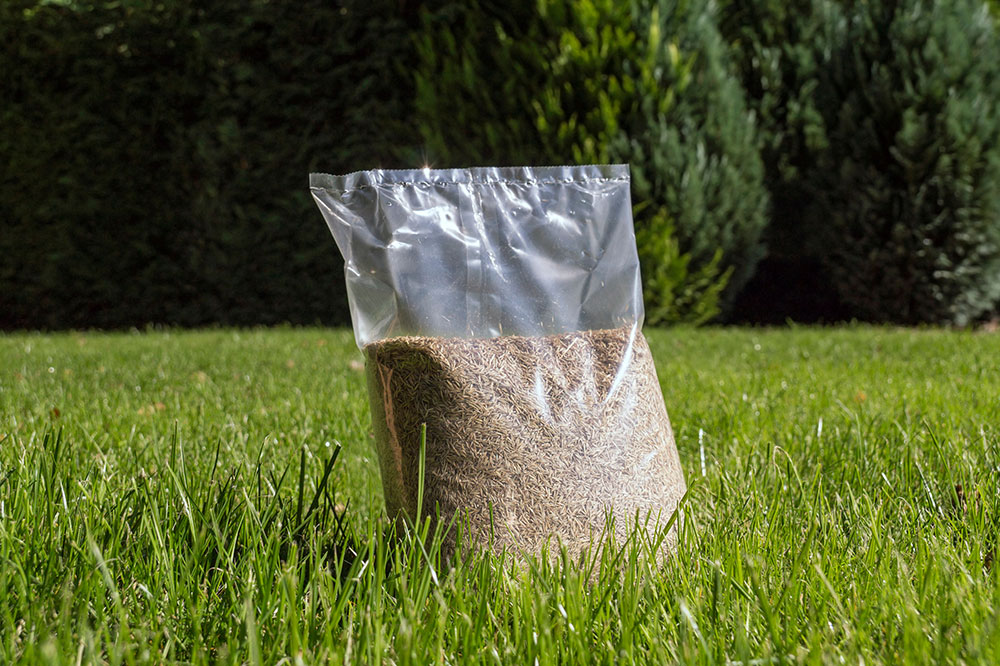
Explore 11 Rapid-Establishing Grass Varieties for a Vibrant Lawn
Grass plays a crucial role globally, aiding in water purification, air quality, and supporting the food web, as herbivores like cattle, deer, and horses rely on it. As demand for grazing land increases, farmers worldwide are cultivating quick-growing grass species. Keep reading to discover some of the most popular and fast-establishing grasses suitable for various climates and purposes.
Perennial ryegrass
A cool-season grass, perennial ryegrass is favored for pastures and erosion prevention, thriving in regions with cooler, moist summers and mild winters.
Annual ryegrass
Needs consistent moisture and is typically used for livestock feed. It requires careful cultivation during germination and is sensitive to some herbicides, which can cause discoloration and slow growth. Usually sown during fall or winter, it can grow up to 900mm tall and is key for soil erosion control mixes.
Kentucky bluegrass
Recognized for its lush green hue, this grass prefers full sunlight and cooler environments. It grows best in compacted soil and demands regular maintenance, making it ideal for well-kept lawns in moderate climates.
Bentgrass
Commonly used on golf courses, bentgrass has shallow roots and vibrant green foliage. It requires regular care, including watering, mowing, and dethatching. Germination typically takes about two weeks, with various varieties available.
Bermuda grass
Perfect for hot, drought-prone areas, Bermuda grass thrives above 75°F. It is best planted in late spring when temperatures warm, as cold weather can hinder its growth.
Zoysia grass
Suitable for tropical regions with some cold tolerance, Zoysia starts growing in late spring and peaks during summer. Often found on golf courses or sports fields, its tiny seeds are best sown during warm weather.
Centipede grass
Low-maintenance and drought-resistant, centipede is suited for mild winter zones. It has shallow roots, so it requires additional care during dry spells but adapts well to changing conditions.
Buffalo grass
Native to plains, Buffalo grass is heat-tolerant and stays green through summer. It demands minimal watering and effort, whether seeded or sod, with recent development making cultivation easier.
Carex
Appreciated for its ornamental appeal, Carex requires minimal care. It can be mowed high or left natural, and seeds are pressed into prepared beds with regular watering to promote healthy growth.
Tall Fescue
A hardy, low-maintenance grass with a light-green shade and coarse texture, Tall Fescue prefers well-drained soils and should not be mixed with finer grasses like Kentucky bluegrass for optimal results.
Turf-type Tall Fescue
Easier to maintain, turf-type Tall Fescue saves water and resists heat and drought. It can be seeded alone or mixed with other grasses for durable, attractive lawns.
Choosing the right grass seed depends on your climate, soil, and lawn use. For best outcomes, consider blending different species suited to your region to achieve a lush and sustainable lawn.