Essential Nutrients for Sustainable Hair Growth and Vitality
Discover the top five essential nutrients for maintaining and boosting healthy hair. This guide highlights key vitamins like A, B7, C, D, and E, their sources, and how they influence hair growth and strength. Proper nutrition, combined with professional advice, can help combat hair loss and promote vibrant, resilient hair. Learn how integrating these nutrients into your diet can make a significant difference in hair vitality and overall scalp health.
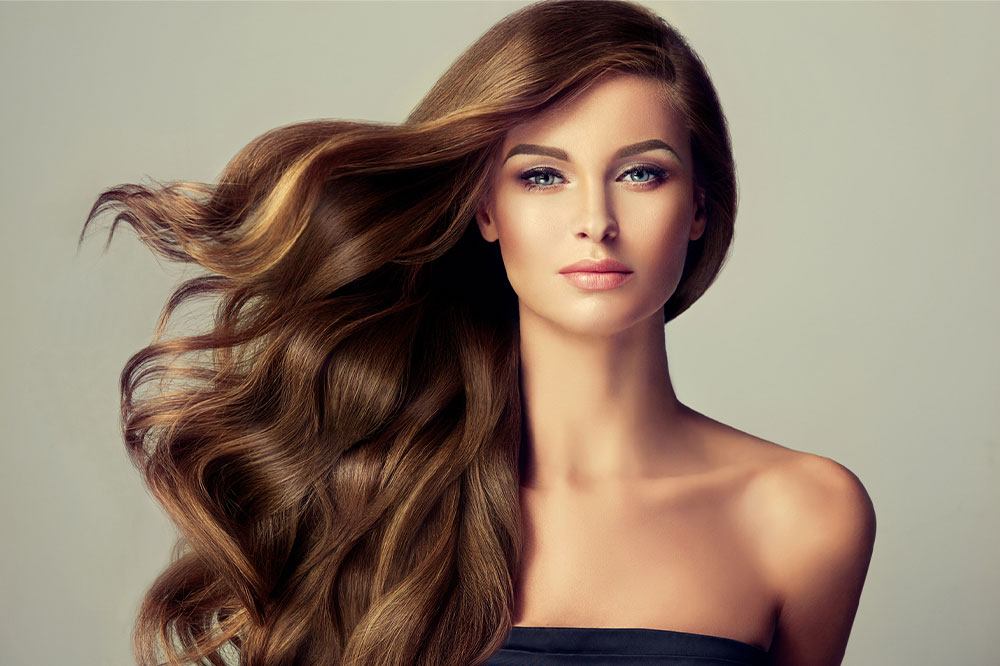
Hair loss affects many individuals worldwide, impacting confidence and appearance. The health of our hair depends on various factors, including age, genetics, hormones, and nutrition. Research indicates that by age 35, about 65% of men experience noticeable hair thinning, increasing to 80% by 80 years old. While genes and hormones play a role, nutritional gaps can contribute to hair problems. Consuming key vitamins and minerals can help strengthen strands, encourage growth, and minimize shedding. Proper nutrition supports keratin, the main protein in hair, ensuring resilience and shine.
Vitamins are fundamental for cellular activities that nurture hair follicles. Poor diets, stress, and health issues like eating disorders may cause deficiencies, impacting hair quality. Although scientific evidence on vitamins directly accelerating growth varies, many anecdotal reports suggest improvements with supplement use. Incorporating vital nutrients into daily meals can significantly boost hair health.
Vitamin A: Promotes cell development in hair and stimulates sebum production, which moisturizes the scalp and keeps hair strong. Found in carrots, spinach, sweet potatoes, and pumpkin. Overconsumption can lead to hair loss, so moderation is essential.
Biotin (B7): Crucial for maintaining healthy hair. Deficiency is uncommon but can cause thinning. Foods rich in biotin include nuts, eggs, fish, and whole grains. Vitamin B12 supports red blood cell creation, ensuring hair follicles receive necessary nutrients.
Vitamin C: Acts as an antioxidant, protecting hair from oxidative stress and aiding iron absorption—another key mineral for hair growth. Sources include berries, citrus fruits, peppers, and guavas.
Vitamin D: Encourages regeneration of hair follicles. Lack of vitamin D is linked to hair loss conditions like alopecia. Fatty fish and mushrooms are excellent dietary sources.
Vitamin E: Enhances scalp health by combating oxidative damage. Present in almonds, avocados, spinach, and sunflower seeds. Regular intake can contribute to healthier, shinier hair.
Balancing a nutritious diet is vital for optimal hair health. Always consult healthcare providers before starting supplements or making major dietary changes to prevent excessive intake, which can be detrimental.
Disclaimer: This article offers research-backed insights but does not replace professional medical advice. For individualized health guidance, please consult a healthcare specialist.