Six Nutritional Strategies to Reduce Migraine Episodes
This article explores six dietary strategies to help diminish migraine episodes, emphasizing hydrating foods, magnesium-rich options, and herbal remedies. It highlights the importance of nutrition and lifestyle adjustments alongside medication for effective headache management.
Individuals prone to migraines often find that certain foods can act as triggers. While avoiding these is essential, adding specific nutritious foods to your diet may help lessen the frequency and intensity of migraines. Coupled with lifestyle changes, a focus on healthy eating can be an effective way to manage migraine symptoms. Here are six foods that might help decrease migraine severity and support overall health.
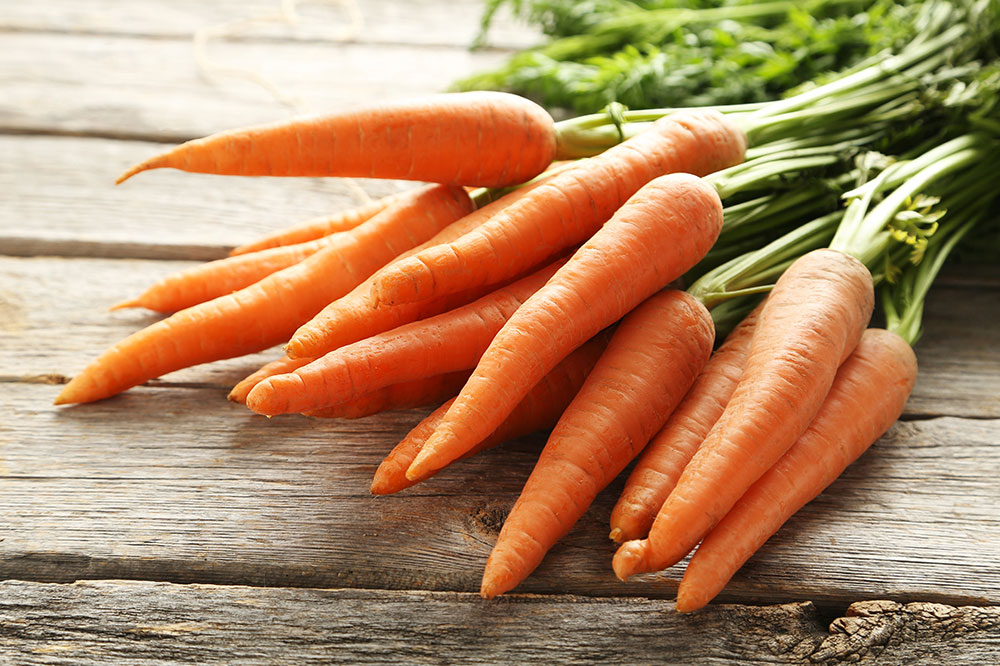
Carrots
Since dehydration can provoke migraines, incorporating hydrating foods like carrots is beneficial. Rich in beta-carotene and exhibiting anti-inflammatory properties, carrots aid in hydration and reduce swelling.
Bananas
High in magnesium, bananas can help mitigate migraine pain. They help inhibit pain chemicals like substance P and glutamate, offering relief and possibly preventing migraines related to hormonal changes.
Dark chocolate
Choose dark chocolate with at least 70% cocoa as it is a good magnesium source. It encourages relaxation and restful sleep. However, some people might find chocolate a migraine trigger, so consumption should be tailored individually.
Leafy greens such as spinach and kale
These greens contain magnesium and folate, which may lower migraine frequency. Add spinach to your breakfast or include kale in salads for added nutritional benefits.
Watermelon
Because dehydration can cause migraines, eating watermelon—over 90% water—can be helpful. Consuming fresh slices keeps hydration levels adequate and may reduce attack episodes.
Herbal teas
Herbal infusions like peppermint tea can relieve sinus pressure, while ginger tea may lessen tension headaches. Staying well-hydrated with herbal teas aids in headache prevention.
Introducing nutrient-rich foods into your diet can help manage common migraine triggers. Nonetheless, in severe cases, dietary changes alone might not be enough, and consulting healthcare providers for additional treatments or lifestyle adjustments is recommended.
Medications for Migraine Relief
Medications such as UBRELVY (ubrogepant) target CGRP proteins involved in migraine pathways by blocking pain signals. Nurtec ODT (rimegepant) prevents nerve receptors from transmitting pain, often used for episodic migraines. Over-the-counter options like Excedrin combine aspirin, acetaminophen, and caffeine to address pain by reducing inflammation and enhancing blood flow.