Effective Ways to Recognize and Treat Foot Corns
This article offers a comprehensive overview of foot corns, including types, causes, prevention strategies, and effective treatment options. It emphasizes proper footwear, home remedies, and medical care to manage and prevent painful foot corns and calluses, ensuring healthier, discomfort-free feet.
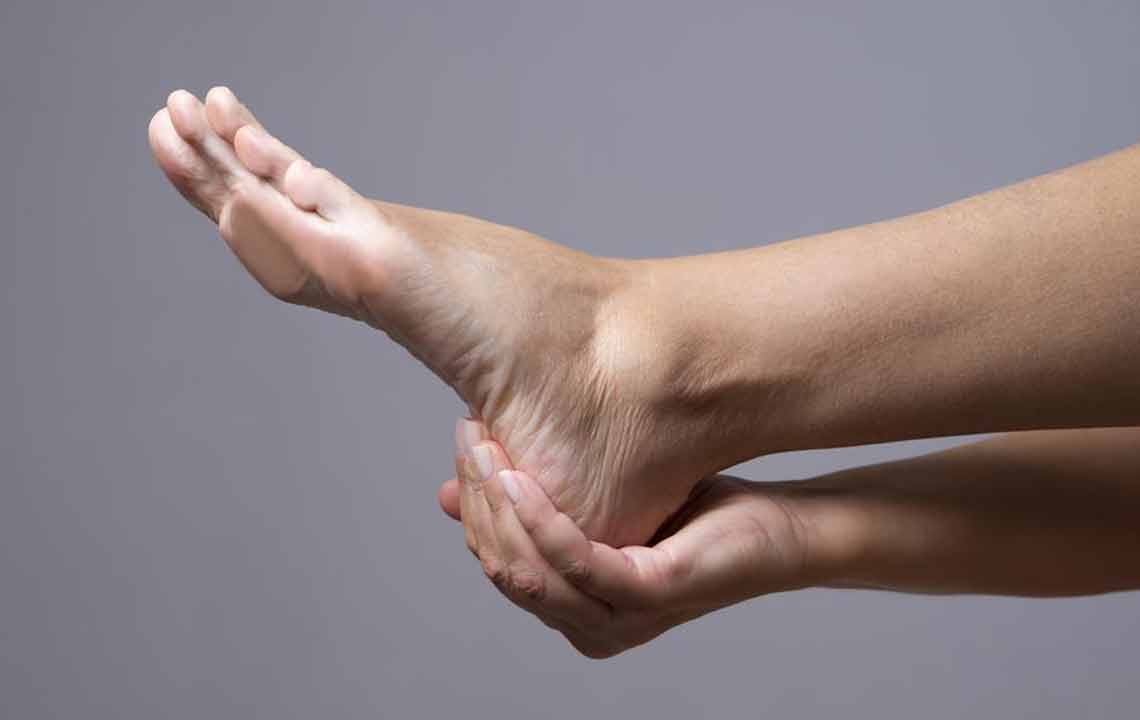
Effective Ways to Recognize and Treat Foot Corns
Foot corns and calluses are thickened patches of skin that develop from constant friction, pressure, or rubbing. Usually appearing on the feet, they can cause pain during walking and may sometimes lead to infections or skin ulcers.
The medical term for corns is heloma. These are characterized by dead, hardened skin, often forming on toes or the skinless areas of fingers. Excessive pressure can damage underlying tissues, resulting in skin ulcers.
There are two main types of foot corns:
Heloma durum (hard corn): Appears on dry, flat skin, forming a thick, tough layer.
Heloma molle (soft corn): Develops between toes where moisture keeps the skin supple.
Categories of calluses include:
General callus: patches resulting from repetitive friction
Seed corn: painful spots on heels
Hard corn: firm patches on the tops of toes
Soft corn: red patches between toes
Plantar callus: located on the foot's sole
Common causes of foot corns
Ill-fitting shoes and walking habits are major contributors. Tight footwear compresses the foot, exerting pressure, while loose shoes cause rubbing. High heels increase toe pressure, and walking barefoot in unsuitable shoes intensifies friction and deformities.
Wearing ill-fitting shoes—either too tight or too loose—can lead to corn formation. High heels put extra pressure on toes, and walking barefoot in tight shoes increases friction, promoting corn development. Proper fitting footwear is essential for prevention.
Prevention tips
Prevention is simpler than treatment. Choose shoes that fit well, wear socks to minimize friction, and try shoes in the evening when feet are largest. Slightly loose shoes and cushioning pads can also prevent pressure and rubbing.
Signs of foot corns
Thickened skin patches or bumps
Pain or tenderness around the area
Dry, rough skin surfaces
Pain caused by pressure or friction
Layered, hardened skin
Diagnosis and care options
Consult a healthcare provider for proper diagnosis. Treatment varies based on location and discomfort. Most corns improve as pressure eases, but self-care can be risky for diabetics or those with circulatory issues. Medical treatments include medications, removal procedures, or minor surgeries. Home remedies like pumice stones, lemon, vinegar, baking soda, and garlic can help but should be used cautiously.
Home care tips
Use pumice stones regularly to soften corns
Apply natural remedies such as lemon or vinegar
Utilize baking soda or garlic for antimicrobial effects
Preventative measures
Wear properly fitting, comfortable shoes
Use cushioning pads in high-friction areas
Avoid pointed and tight shoes
Choose socks that fit well to reduce friction
Apply foam pads on heels or pressure points
Following these tips and seeking appropriate treatment can alleviate discomfort and prevent future corns.