Early Signs and Progression of Chickenpox Infection
This article provides a comprehensive overview of the early signs and progression stages of chickenpox, helping readers identify the infection promptly. It covers symptoms, stages, and care tips, emphasizing the importance of timely medical consultation. The content aims to increase awareness and understanding of chickenpox to assist in early detection and management.
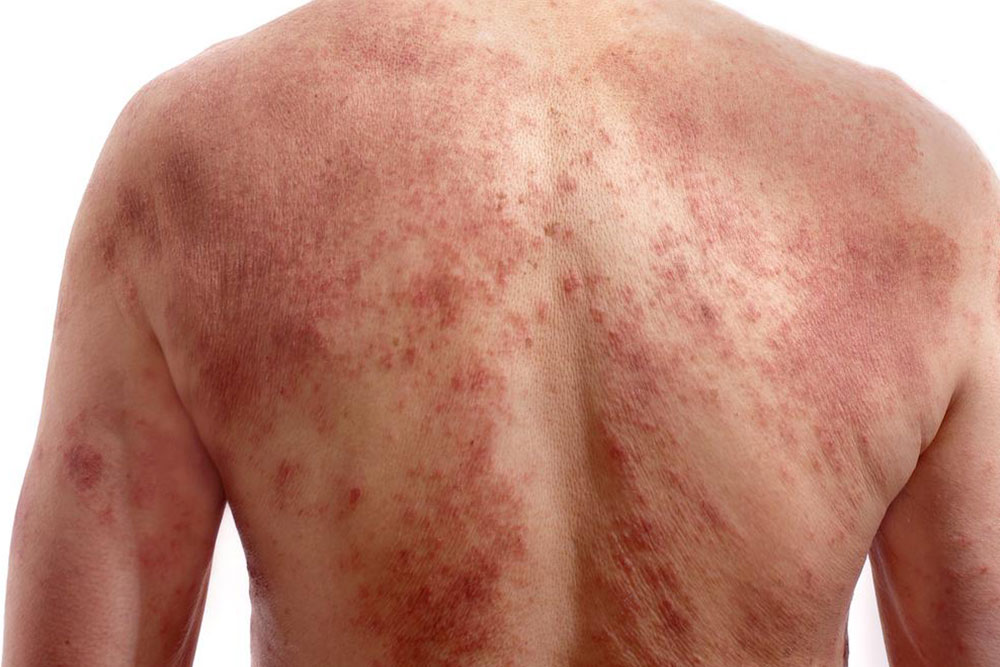
Recognizing Chickenpox: Essential Symptoms and Phases
Chickenpox, caused by the varicella-zoster virus, mainly affects children but can occur in unvaccinated adults. Although vaccination has reduced cases significantly, vulnerable individuals still risk infection. Re-infection is uncommon, but immunocompromised persons may develop shingles later. The disease unfolds in four distinct stages, each with identifiable symptoms and visual cues that can be observed clinically and through photographs.
The incubation period lasts about two weeks after exposure, during which symptoms start to emerge. Here’s how to spot chickenpox at each stage:
Prodromal Phase: Early symptoms are mild and resemble cold or flu, including fever, headache, fatigue, muscle soreness, back pain, chills, cough, and nausea. Skin lesions are absent at this time, and these symptoms can persist for a day or longer.
Vesicular Stage: As symptoms develop, red spots appear and evolve into itchy blisters on the chest, limbs, and face. These blisters may rupture, form scabs, and contain pus. This contagious stage lasts roughly two weeks until all blisters crust over, with up to 600 lesions potentially appearing. Recognizing this phase aids in timely diagnosis and isolating the patient.
Management and Support
Most cases of chickenpox resolve naturally within a few weeks without targeted medication. Supportive measures such as soothing lotions and antihistamines help reduce discomfort. Immediate medical attention is necessary if severe symptoms like high fever, breathing difficulties, or neurological issues, including trouble waking or light sensitivity, occur.
Important Reminder:
This information is intended for educational purposes and should not replace professional medical advice. Always seek guidance from a healthcare professional for accurate diagnosis and treatment. Stay informed with the latest health updates and local medical guidelines.