Fundamental Aspects of Human Anatomy for Better Understanding
This article explores the fundamental aspects of human anatomy, highlighting its history, key developments, and the importance for various health-related professions. It emphasizes the role of detailed visual aids and scientific progress made by pioneers like Vesalius and Gray, showcasing the significance of anatomical knowledge in careers such as medicine, research, and education. Understanding anatomy is essential for advancing healthcare and scientific discovery.
Fundamental Aspects of Human Anatomy for Better Understanding
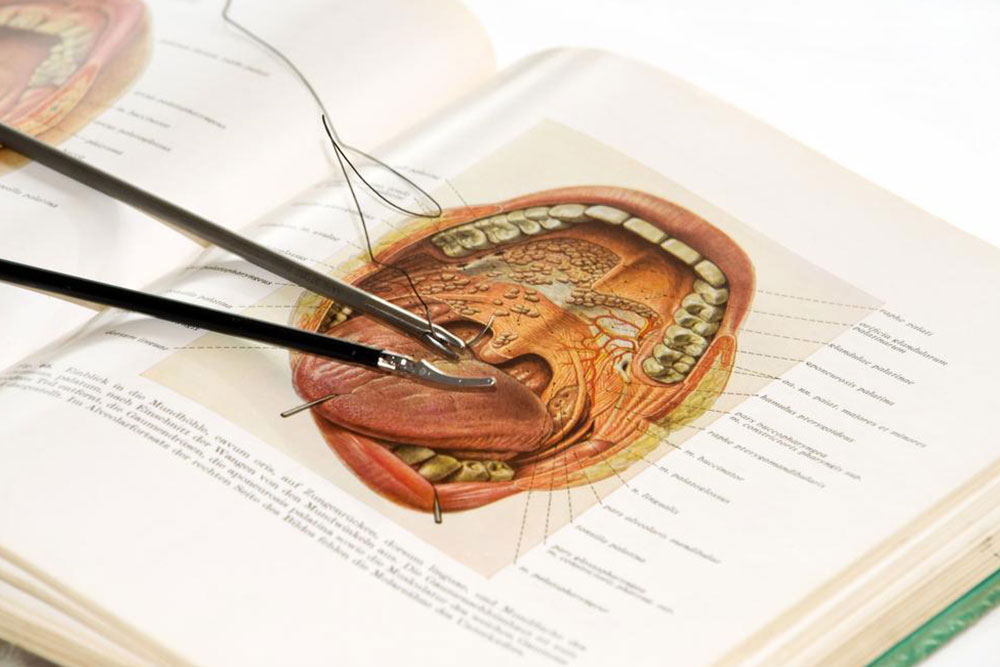
Human anatomy is a scientific discipline that examines the structure of the human body, often through dissection and detailed visualization. Although its origins date back to early civilizations, systematic study emerged in the 14th century, shifting from superstitions to scientific investigation. Historically, cultural restrictions on dissection limited access to precise anatomical information for healthcare professionals.
Key breakthroughs by Andreas Vesalius in De humani corporis fabrica and Henry Gray’s Gray’s Anatomy transformed anatomical science. Their detailed illustrations laid the groundwork for modern medicine and education. Understanding human anatomy is vital for careers such as:
Epidemiologists: Study disease patterns, public health strategies, analyze health data, and inform policy decisions.
Chiropractors: Use therapies like physiotherapy, massage, and acupuncture to ease pain, improve posture, and perform physical assessments.
Medical Researchers: Innovate procedures, analyze biological samples, and investigate diseases to enhance health outcomes, often in partnership with medical practitioners.
Biophysicists and Biochemists: Research the physical and chemical properties of biological systems, revealing insights into how living organisms function.
Educators in Biological Sciences: Teach anatomy and physiology, utilizing detailed diagrams; often requiring advanced degrees in medicine or biology—making anatomy expertise essential.
Note: Our blog provides well-researched, engaging content. While we aim for accuracy, readers should verify information independently. We do not guarantee the completeness of all featured offers or schemes discussed.