Signs to Watch for: Identifying Sleep Problems in Children Early
Early identification of sleep problems in children is crucial for their health and development. This article highlights common signs like sleepwalking, bedwetting, nightmares, and snoring, and offers tips for parents to promote better sleep hygiene. Recognizing issues early can prevent long-term health impacts and ensure children get restful, restorative sleep needed for growth and learning.
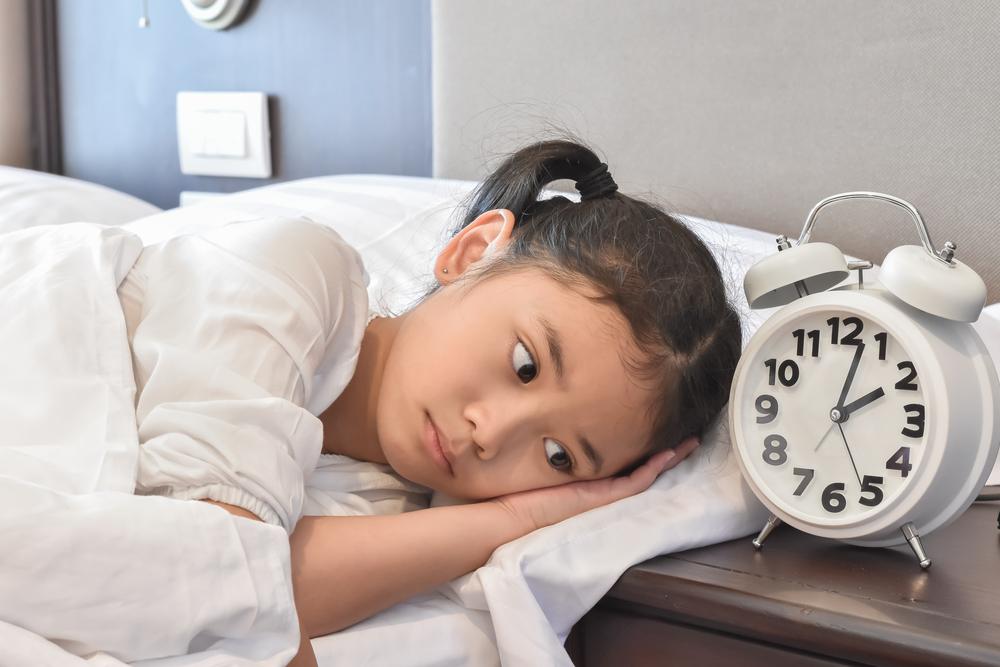
Disrupted sleep in children can cause tiredness, mood swings, anxiety, food cravings, and metabolic issues. Poor sleep quality affects brain function, disrupts the body's internal clock, and increases the risk of illnesses. Parents should be alert to signs of sleep difficulties, as around 30% of kids face such problems. Knowing how much sleep children need at different ages is important: newborns typically require 16-17 hours daily, while older children and teens need about 8-10 hours. Early detection allows for timely intervention.
Common childhood sleep issues include sleepwalking, bedwetting, nightmares, night terrors, daytime drowsiness, and snoring. Sleepwalking can last up to 15 minutes and pose safety hazards, especially with stairs. Bedwetting may signal emotional or developmental challenges, or sleep apnea. Nightmares and night terrors often cause sudden awakenings and physical symptoms like sweating, triggered by stress or environmental factors. Excessive daytime fatigue despite normal sleep may point to sleep disorders such as sleep apnea or restless legs syndrome. Snoring can stem from nasal congestion or enlarged tonsils, warranting medical attention if persistent. Creating a calming bedtime environment, limiting screens, and ensuring safety can improve sleep health. Professional consultation is recommended if issues continue.
Note: This content is for educational purposes and should not replace medical advice. Always consult healthcare professionals for proper diagnosis and treatment of sleep problems.