Your Ultimate Guide to Selecting New and Used SUVs: Top Models and Tips
This comprehensive guide helps you choose between new and used SUVs by highlighting essential factors like vehicle types, safety features, towing capacities, and top models of 2020. Perfect for buyers seeking practical, versatile SUVs tailored to different needs and budgets.
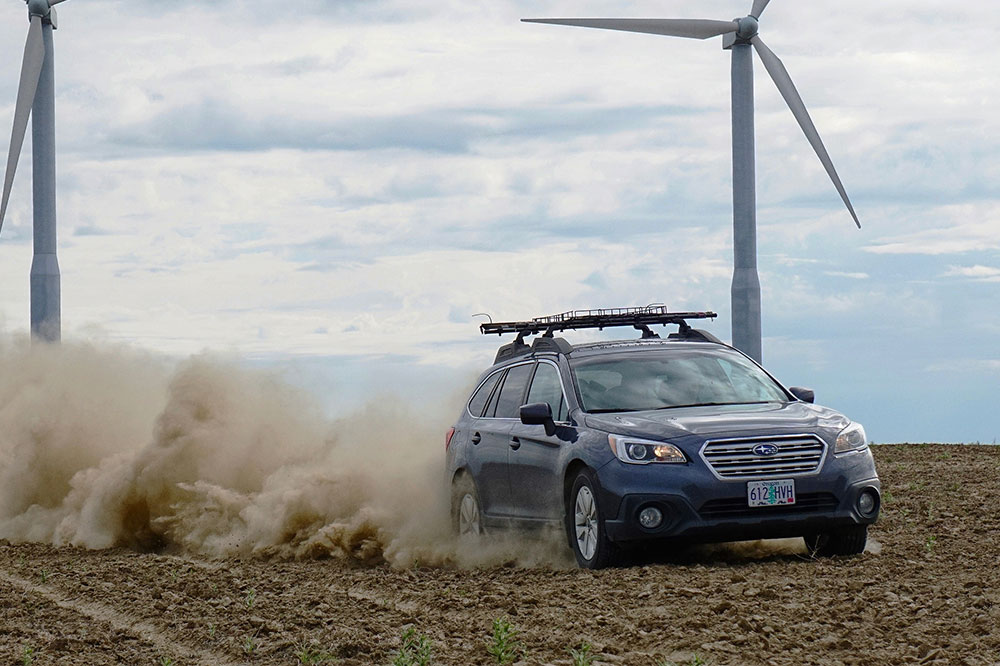
Essential Tips for Buying SUVs: New and Pre-Owned Options
SUVs have become increasingly popular, often surpassing sedans with their practicality and style. They offer spacious interiors, ample cargo space, and strong towing capabilities, making them a versatile choice. With many manufacturers offering feature-packed models at competitive prices, finding the perfect SUV can be challenging. If you're planning to buy an SUV but don't know where to start, this guide covers key considerations, from vehicle classes to safety features, comparing brand-new and used options.
Explore various SUV categories, understand the benefits of new versus pre-owned models, and discover top picks from 2020.
Major Factors to Think About When Choosing an SUV
Type of SUV SUVs come in sizes ranging from sub-compact to full-size, catering to different needs and budgets. Smaller models are sporty and efficient, while midsized and large SUVs offer more space, better off-road performance, and higher towing capacity. Prices typically range from $20,000 to $80,000 depending on size and features.
Seating arrangements usually accommodate five passengers, with some larger models featuring a third row to seat up to eight. Foldable seats help maximize cargo space when needed, providing flexibility for various lifestyles.
Cargo Capacity and Flexibility
Look for SUVs with split-folding or flat-fold seats for maximum loading efficiency. Premium models may come with advanced suspension systems to ease cargo handling and improve ride quality.
Drive Systems: FWD, AWD, or 4WD
Most SUVs come with front-wheel drive with optional all-wheel drive, suitable for everyday driving. Outsized or truck-based SUVs often feature rear-wheel drive with available 4WD. AWD systems automatically balance power between wheels to enhance traction, while true 4WD with low-range gearing is best for rugged off-road adventures. Full-time 4WD is recommended to avoid damage during challenging terrains.
Safety & Advanced Driver Assistance
Forward Collision Warning helps prevent accidents by alerting the driver about imminent crashes.
Automatic Emergency Braking intervenes by braking automatically to avoid or lessen collisions.
Blind Spot Monitoring detects vehicles in blind spots, aiding safer lane changes.
Other features include lane departure alerts, lane keeping assist, rear cross-traffic alerts, and telematics systems for emergency notifications post-accident.Towing Capacity
Heavy-duty SUVs, especially truck-based models, excel at towing—some can haul up to 9,000 pounds, ideal for boats or campers. Mid-sized SUVs generally tow around 5,000 pounds, suitable for lighter loads.
Choosing Between New and Used SUVs
The used SUV market has grown, offering affordable options with reliable performance. New SUVs feature the latest safety tech, warranties, and reduced risk of hidden issues, often with better financing rates. However, they depreciate quickly, losing about half their value within three years. Used models can save money but require careful inspection to verify condition and history, especially if modified for off-road purposes.
Popular SUV Models of 2020
Volvo XC40
Kia Telluride
Cadillac XT6
Chevrolet Trax
Honda CR-V
Hyundai Palisade
Ford EcoSport
Mazda CX-3
Jeep Renegade
Chevrolet Traverse