Next-Generation Smart Home Management with Advanced Devices
Explore advanced control systems and devices shaping modern smart homes. From centralized hubs supporting multiple protocols to software platforms like Apple HomeKit, Google Home, and Amazon Alexa, discover how seamless device management enhances convenience and automation. This article covers key technologies, popular hubs, and alternative control methods for smarter home integration, offering solutions tailored to diverse needs and budgets.
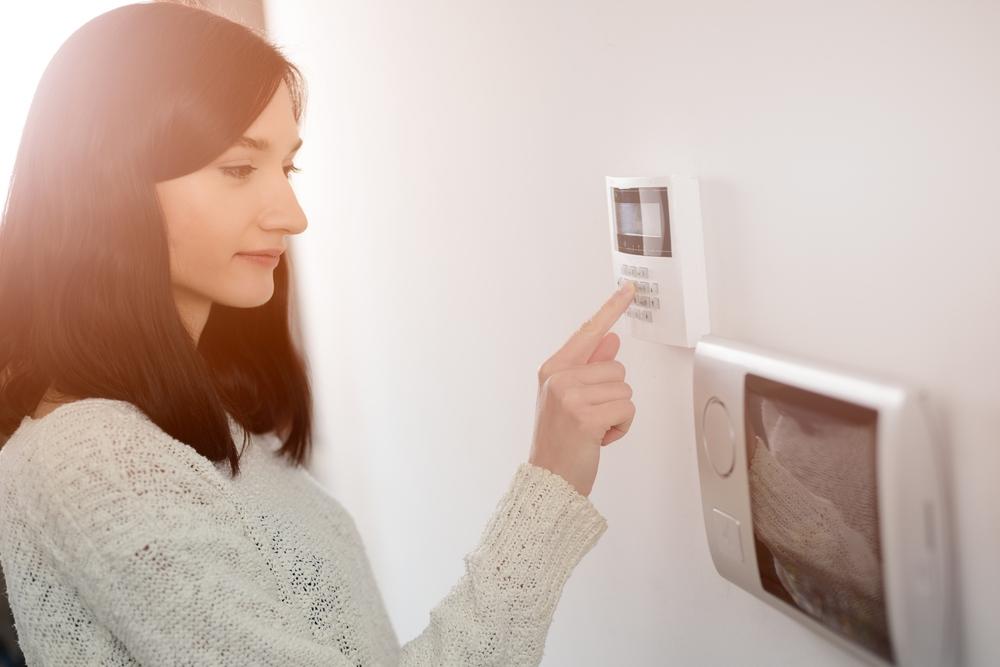
Modern Smart Home Control Systems Featuring Innovative Technologies
Control mechanisms and devices in today's smart home environments
Cutting-edge smart home systems utilize various modules that can be operated through centralized platforms such as smart hubs or voice assistants like Amazon Alexa and Google Assistant. Users enjoy multiple control options, ensuring easy operation and seamless integration of devices.
Centralized control hubs for smart homes
Many smart home elements—lighting, security, climate control—are managed through dedicated hubs. These can be accessed via specialized apps or remote controls. Starting with a single hub allows for expanding your system by adding compatible modules that communicate through it.
These hubs act as command centers, coordinating all connected devices.
What are control hubs?
They function as central controllers for smart gadgets.
Connecting compatible devices to a hub creates an integrated smart environment.
Popular control hub options
Leading products include Samsung SmartThings, Wink Hub, and Logitech Harmony Hub.
They support various communication standards like ZigBee, Z-Wave, Bluetooth LE, and Wi-Fi to ensure device compatibility.
Details about SmartThings, Wink, and HarmonyHub
SmartThings: Supports a wide range of devices, including security, climate, and lighting systems. Managed via smartphone or computer. Compatible with ZigBee, Z-Wave, and IP protocols, and works with Alexa.
Wink Hub: Connects smart TVs, security systems, lighting, and appliances, controlled through iOS or Android apps. Supports Zigbee, Z-Wave, Wi-Fi, Bluetooth, and Lutron protocols.
Harmony Hub: Developed by Logitech, it’s optimized for entertainment devices like smart TVs and media players, managed via mobile app.
Are there other control options? Besides hardware hubs, software solutions also enable centralized management of smart devices. Continue reading for these alternatives.
Apple’s HomeKit ecosystem
HomeKit offers a software framework compatible with iOS 10 and above that connects with many smart devices.
Once configured, users can control devices securely via iPhone, iPad, or HomePod apps.
Google’s smart automation platform
Google Home connects lighting, thermostats, and entertainment systems.
Control is possible through the Google Home app or spoken commands via Google Assistant.
Google’s voice service also provides information and automation functions.
Amazon Alexa integration
Amazon Echo devices and Alexa are among the top choices for smart home automation.
Set up Alexa to manage compatible devices, enabling voice control over lights, locks, cameras, and more.
Many manufacturers offer Alexa skills for device compatibility, simplifying automation.
Ask Alexa to locate, connect, or control your smart gadgets effortlessly.
Whether using hardware hubs or software platforms like Apple HomeKit, Google Home, or Amazon Alexa, smart home management is evolving quickly. These options cater to different budgets and requirements, allowing a personalized and efficient smart home experience.