Key Methods for Monitoring Blood Glucose Levels
This article outlines the main methods for blood glucose monitoring, emphasizing their importance in health management and diabetes prevention. It explains fasting, random, oral glucose, and HbA1c tests, their procedures, and significance. Regular testing combined with healthy habits helps maintain optimal health. Staying informed about blood sugar levels ensures timely interventions and effective disease control.
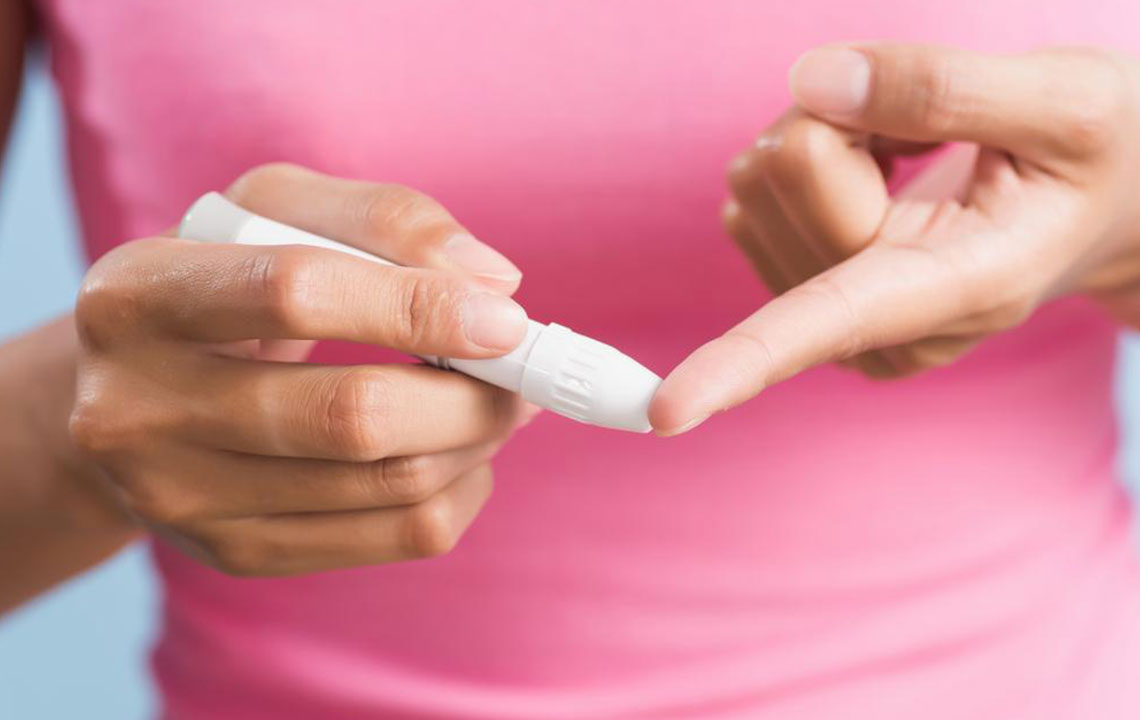
Tracking blood glucose is crucial for maintaining overall health and preventing serious health issues. Insulin, produced by the pancreas, plays a vital role in regulating sugar levels, converting glucose into energy. Insufficient insulin can lead to diabetes, an autoimmune disease. High blood sugar levels are associated with risks such as cardiovascular problems, vision impairment, and delayed wound healing. Routine blood glucose testing is important for everyone, not just diabetics, to support healthy living. It assists in dietary planning, medication adjustments, and surgical preparation.
Healthcare providers recommend specific tests based on individual health needs. The primary methods include fasting, random, oral glucose tolerance, and HbA1c tests, each tailored for different diagnostic purposes.
The fasting blood glucose test requires an overnight fast of at least eight hours and helps identify prediabetes or diabetes. Normal readings are below 100 mg/dL; higher levels may indicate concern. The random test is conducted at any time to observe blood sugar fluctuations. The oral glucose tolerance test monitors gestational diabetes during pregnancy by measuring blood sugar before and after drinking a sugary solution. The HbA1c test assesses long-term blood sugar control, aiding in managing diabetes and predicting potential complications.
Combining regular testing with healthy lifestyle choices like exercise, balanced diet, and avoiding smoking and alcohol contributes to improved health. Always adhere to healthcare professional guidance for accurate diagnosis and appropriate management.