A Guide to Eye Floaters: Causes, Symptoms, and Solutions
This article offers a detailed overview of eye floaters, including their causes, symptoms, and treatment options. It covers age-related changes, retinal issues, and other risk factors while emphasizing the importance of professional consultation for proper management. Learn when to seek medical help and ways to potentially reduce floaters naturally or through surgical procedures.
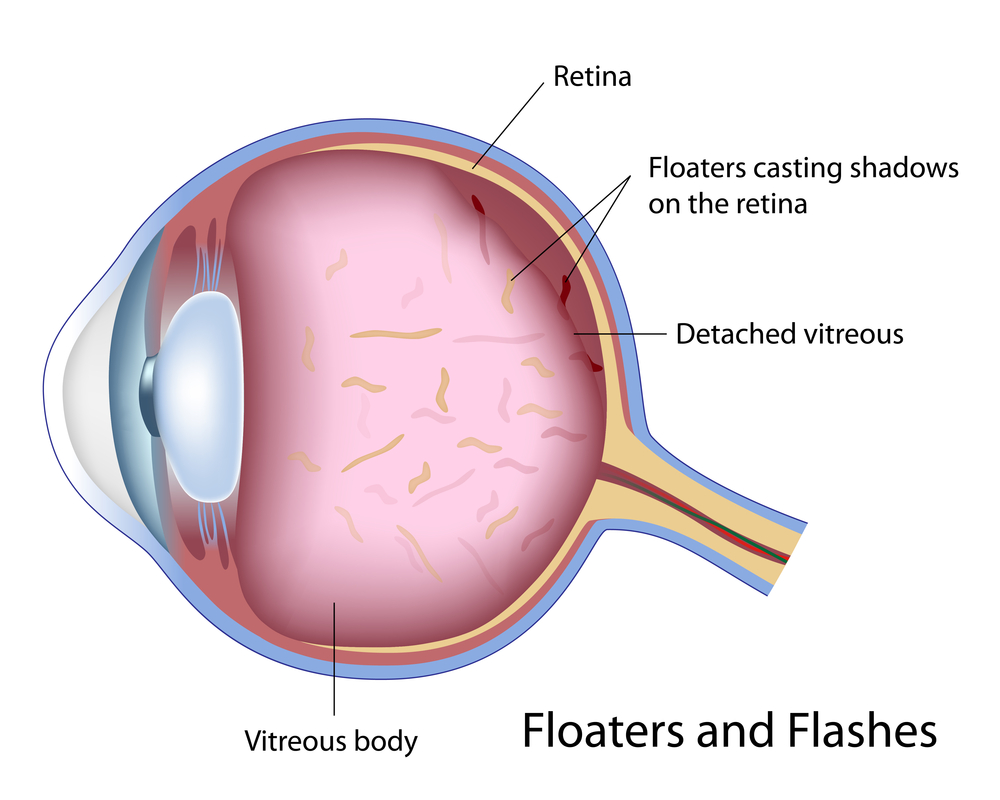
Are you familiar with eye floaters? This article provides an in-depth explanation of what they are, their origins, and how they can be managed.
What are eye floaters?
They manifest as moving spots in your vision, often appearing as black, grey, cobwebs, or thread-like structures.
Floaters shift with eye movements and tend to drift away when you look directly at them.
Since they are located within the vitreous gel in the eye, they move naturally with eye motions.
Although they can be distracting, they rarely cause pain or discomfort.
Causes of eye floaters
Age-related degeneration: The vitreous gel deteriorates with age, forming clumps that cast shadows and create floaters.
Eye inflammation: Inflammatory processes can deposit debris into the vitreous, resulting in floaters.
Retinal tears: Shrinking vitreous may tug on the retina, causing tears that could lead to detachment if untreated, risking vision loss.
Blood leakage inside the eye: Conditions like diabetes or trauma can cause bleeding, which appears as floaters.
Eye operations and medications: Surgeries or certain drugs may introduce floaters through post-treatment changes like air bubbles.
Nearsightedness: Myopic individuals are at greater risk of developing floaters.
Risk factors for eye floaters
Being over 50 years old
Eye injury or trauma
Myopia
Complications after cataract surgery
Eye infections or inflammatory conditions
Diabetic eye disease
Should you be concerned about floaters?
Most eye floaters are benign. However, seek medical attention if:
The floaters become persistent or worsen significantly
They suddenly increase in number
You experience flashing lights along with floaters
You notice a shadow or curtain in your peripheral vision
You have eye pain or visual disturbances
Related eye health issues
Cataracts
Nearsightedness
Retinal detachment
Retinal damage or necrosis
How to manage or eliminate eye floaters
Allow time: If floaters don't bother you, they may diminish naturally over time.
Vitrectomy procedure: When floaters impair vision, surgery can remove the vitreous humor containing debris.
Treat underlying conditions: Managing inflammation or retinal tears can help reduce floaters.
Adopt an anti-inflammatory diet: Consuming foods that reduce eye inflammation may prevent floaters caused by inflammatory factors.
Important reminder:
The information provided aims to educate readers about eye health. It is not a substitute for professional medical advice. Always consult an eye specialist for accurate diagnosis and personalized treatment. We are not responsible for discrepancies or inaccuracies from other sources.