Guide to Choosing the Right Stair Lift for Senior Citizens
Discover essential tips for selecting the ideal stair lift for elderly individuals. From budget considerations and professional guidance to measurements and safety features, this guide helps you make informed decisions. Learn how to choose models based on staircase type, customization options, and insurance coverage, ensuring safety and independence for seniors in your home.
Guide to Choosing the Right Stair Lift for Senior Citizens
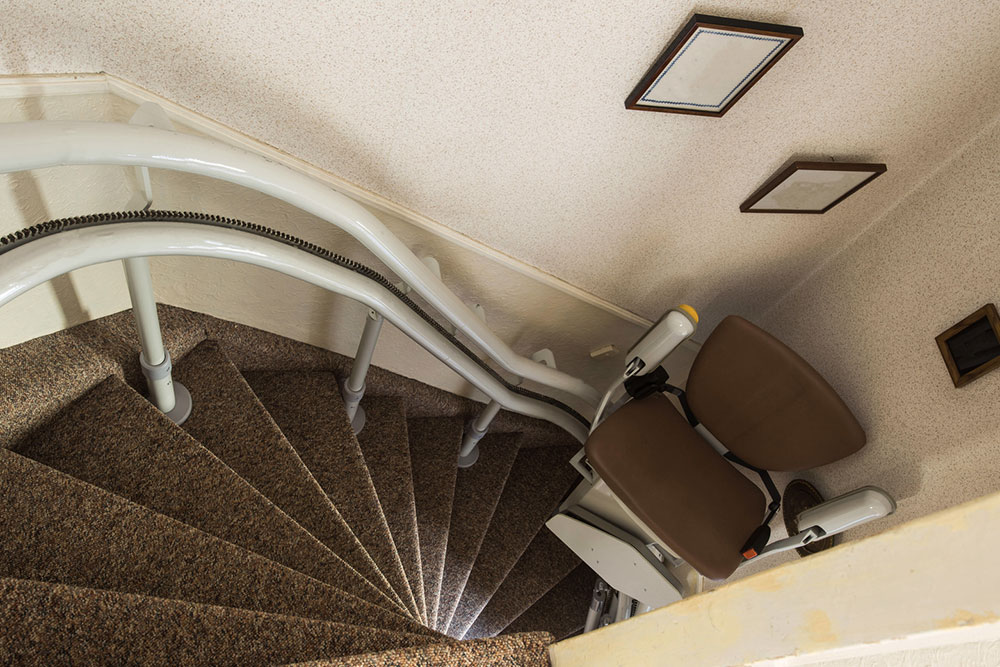
Stair lifts are powered chairs that travel along tracks installed on staircases, providing a safe and practical solution for elderly or mobility-impaired individuals to move between floors. These devices enhance independence and ease daily activities. When selecting a stair lift for your home, understanding critical factors is essential to find the best fit. Conducting thorough research will help you choose models that match your requirements and budget.
1. Budget Considerations
Prices for stair lifts depend on factors like staircase design (straight or curved), new or pre-owned units, brand, and staircase type. Costs typically range from around $2,500 for basic models to $25,000 for premium, customized solutions. Curved stair lifts often cost more due to personalized manufacturing. Assess your staircase structure and budget carefully to pick a model that offers safety and value.
2. Consult Professionals
Seeking advice from qualified technicians is recommended when choosing a stair lift. Professional installers can assist with selecting the appropriate model and ensure proper setup. They can also demonstrate safe operation, helping you maximize the device’s benefits and maintain safety after installation.
3. Measure Your Stairs
Accurate measurements of your staircase are crucial. Straight rail elevators typically support stairs up to 16 feet in length, while longer staircases may need adjustments. Measure the length, width, and height, ensuring at least 30-32 inches of clearance for safe use. Precise sizing prevents incompatible purchases and guarantees comfort and safety.
4. Important Features to Consider
Opt for a stair lift that aligns with the user’s specific needs. Consider ease of operation, smoothness, safety features, and comfort. The device should be user-friendly and suitable for any health concerns. Evaluating these aspects ensures you select a model that offers safety, convenience, and value.
5. Insurance Coverage
Some insurance plans, including certain Medicare Advantage policies, may cover part of the cost for stair lifts used for mobility. Coverage usually applies to basic models. Review your policy details before purchasing to understand potential savings and reduce out-of-pocket expenses.
6. Customization Options
Stair lifts can be tailored with options like color choices, safety enhancements, or seat configurations to meet individual preferences. While customizing can improve accessibility, it may also raise costs. Focus on essential upgrades that balance functionality and budget for maximum benefit.
7. Weight Capacity and Seat Dimensions
Ensure safety by checking the manufacturer’s specifications on weight limits and seat sizes. Selecting a lift that handles the user’s weight and dimensions ensures reliable and comfortable use. Heavy-duty models offer higher capacity but tend to cost more. Proper sizing is key to safety, comfort, and durability.
Use these tips to find the perfect stair lift for seniors, enabling safe, independent stair access without assistance.
Note:
Our blog provides insights across various topics based on thorough research. However, the information should not be considered exhaustive or definitive. We do not guarantee data accuracy and are not liable for variations in sources. Some deals or schemes might not be covered here but could offer greater value. We recommend additional research to identify the best options for your specific needs.