Essential Guide to 8 Common Neuromuscular Disorders
Learn about eight common neuromuscular disorders, including ALS, MS, and muscular dystrophy. This guide highlights symptoms, causes, and management options for these prevalent conditions that impact muscle function and mobility. Understanding these diseases can aid in early detection and improve quality of life through targeted treatment strategies.
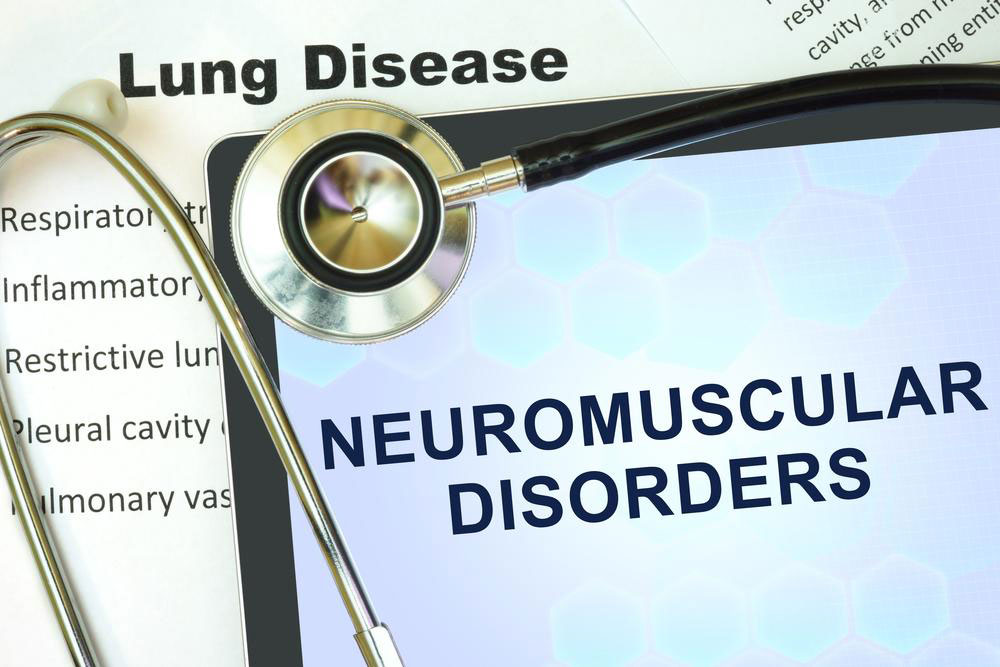
Key Neuromuscular Conditions You Should Know
Neuromuscular diseases affect the nerves coordinating voluntary muscles. Damage or death of these nerves leads to muscle weakness, atrophy, and mobility issues. Advanced cases can cause complications involving the heart or lungs. This article introduces eight widespread neuromuscular disorders impacting many individuals today.
Amyotrophic Lateral Sclerosis (ALS)
ALS is a progressive neurological disease that damages motor neurons, resulting in increasing loss of muscle control and eventual paralysis.
Charcot-Marie-Tooth Disease
This inherited disorder stems from genetic mutations affecting peripheral nerves, causing pain, muscle weakness, and reduced muscle bulk in limbs.
Multiple Sclerosis
An autoimmune condition where immune attacks degrade myelin, interfering with nerve communication between the brain and body.
Muscular Dystrophy
A genetic group of disorders marked by progressive muscle wasting, mainly affecting young males.
Myasthenia Gravis
This autoimmune illness leads to muscle fatigue and weakness, with symptoms like droopy eyelids and swallowing difficulties.
Myopathy
Muscle fiber abnormalities cause cramps, stiffness, and weakness, indicating myopathy.
Myositis
Muscle inflammation resulting from injury, infections, autoimmune reactions, or medications.
Spinal Muscular Atrophy
Affects spinal cord motor neurons, especially in children, impairing breathing muscles and leading to weakness.
Most neuromuscular conditions are linked to genetics or immune responses. Since cures are unavailable, treatments focus on symptom management, maintaining mobility, and strengthening muscles and joints.