A Comprehensive Guide to Botox Treatments: Benefits, Uses, and Precautions
Explore the essentials of Botox, a widely used cosmetic treatment to reduce facial wrinkles. Learn about its safety, medical uses, preparation tips, cost, and post-treatment care. Consulting a licensed professional is vital for safe and effective results in facial rejuvenation and medical conditions relief.
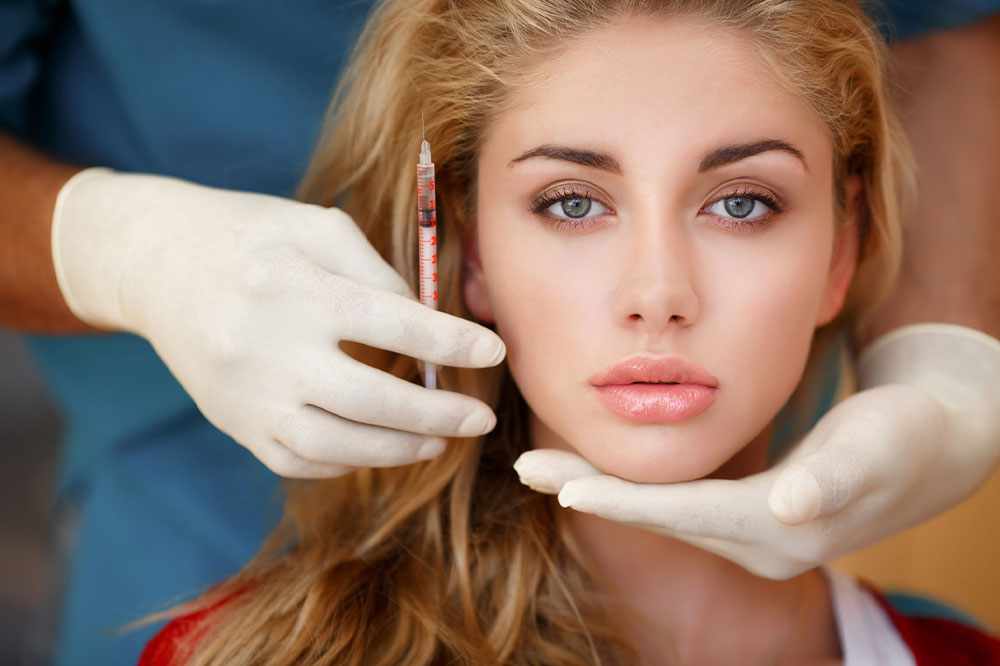
Overview of Botox
Botox injections are a popular cosmetic procedure designed to soften facial lines by relaxing underlying muscles. Using OnabotulinumtoxinA, the treatment temporarily reduces muscle activity, leading to smoother skin. It’s minimally invasive and typically well-tolerated, making it ideal for diminishing crow’s feet, forehead wrinkles, and other facial creases. When performed by trained professionals, Botox is considered a safe option. Here’s an overview of its purpose, safety considerations, and key facts.
Is Botox a secure choice?
Approved by the FDA in 1989 for various medical conditions, Botox is now widely used for aesthetic purposes. It effectively reduces the appearance of aging signs and facial lines. The FDA cleared it for cosmetic use in 2002 to treat moderate to severe frown lines and later expanded its approval in 2013 for crow’s feet near the eyes. Patients should discuss their health history, allergies, and medications with their healthcare provider before treatment. Basic preparations include face cleansing and avoiding blood thinners to minimize bruising.
Botox functions by blocking nerve signals to facial muscles, inducing temporary paralysis that reduces wrinkles. Beyond aesthetics, it’s used to treat medical conditions like cervical dystonia, limb spasms, and neurological disorders. It can also help alleviate chronic migraines in adults experiencing migraines over 15 days each month for at least four hours. However, it is not effective for tension headaches. Durations of effects usually range from 3 to 4 months, with some experiencing results for less than two months or over six. Pregnant and nursing women should avoid Botox due to safety concerns. Always consult a licensed professional for personalized treatment plans.
The typical cost for Botox was approximately $376 in 2016, but prices differ depending on treatment areas, number of injections, and clinic location. Since it’s a cosmetic procedure, insurance generally does not cover it. Treatments can be performed on multiple facial areas with at least three months between sessions. Post-treatment care includes following your provider's instructions and monitoring for side effects such as bruising, eyelid drooping, headaches, dry eyes, or allergic reactions. Seek immediate medical attention if adverse effects occur. Regular sessions, usually every four months, help sustain results.
Key considerations: Always choose a licensed and experienced provider, disclose any allergies or health conditions beforehand, and follow safety guidelines to prevent complications. Proper administration ensures optimal outcomes and minimizes risks.