Top Strategies for Managing Sleep Apnea Effectively
Discover the top medical treatments for sleep apnea, including CPAP therapy, nerve stimulation, and surgical options. Early diagnosis and tailored interventions are vital for effective management of this sleep disorder, reducing risks and improving sleep quality.
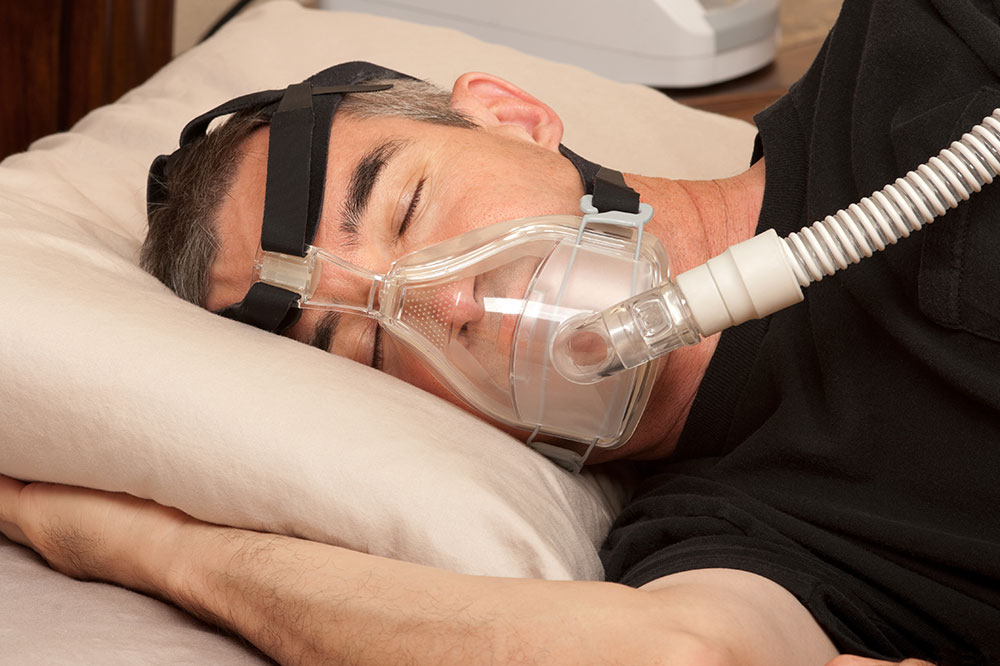
Key Medical Interventions for Combating Sleep Apnea
Sleep apnea is a disruptive sleep condition that can lead to serious health issues. It often causes increased blood pressure and pauses in breathing during sleep. Prompt diagnosis and proper treatment are essential to avoid complications.
Below are three main medical approaches to reduce or manage these symptoms effectively.
Positive Airway Pressure (PAP) Therapy
This common treatment requires wearing a mask over the nose, mouth, or both, connected to a device that supplies pressurized air. This prevents airway blockage by ensuring continuous airflow. Different PAP devices include:
Continuous Positive Airway Pressure (CPAP)
Maintains a steady pressure to keep airways open.
Bi-Level PAP
Provides higher pressure during inhalation and lower during exhalation.
Auto CPAP
Adjusts pressure automatically based on patient needs.
Adaptive Servo-Ventilation (ASV)
Targets central sleep apnea, acting as a ventilator to regulate breathing patterns.
Hypoglossal Nerve Stimulation
An implantable device stimulates the hypoglossal nerve to move the tongue forward, preventing airway blockage. It is placed under the skin on the chest, connecting electrodes to muscles that help keep the airway open during sleep.
Surgical Options
Surgery is recommended when structural issues like enlarged tonsils, deviated septum, or small jaw cause airway obstruction. Procedures include:
Somnoplasty
Tonsil removal
Nasal corrective surgeries
Uvulopalatopharyngoplasty (UPPP)
Jaw advancement surgeries
Discuss with a healthcare provider to select the best treatment tailored to your condition.
Disclaimer:
The content is for educational purposes only. Always consult licensed medical professionals before initiating any treatment or making health decisions.