Top Criteria for Choosing Senior Emergency Alert Devices
This article highlights key factors to consider when selecting senior emergency alert devices, including system type, water resistance, ease of use, and fall detection technology. It guides caregivers in choosing reliable tools to ensure seniors receive fast help during emergencies, enhancing safety and peace of mind.
Important Aspects to Consider in Senior Emergency Alert Systems
As individuals age, their immune systems weaken, increasing their vulnerability to health crises and accidents. The recent COVID-19 pandemic has emphasized the importance of quick access to medical help for seniors, who face heightened risks. Investing in reliable emergency alert devices ensures swift assistance during emergencies. These wearable gadgets allow seniors to easily summon help with just a press of a button. With numerous options available, understanding key features will assist you in selecting the most suitable alert system for your loved ones.
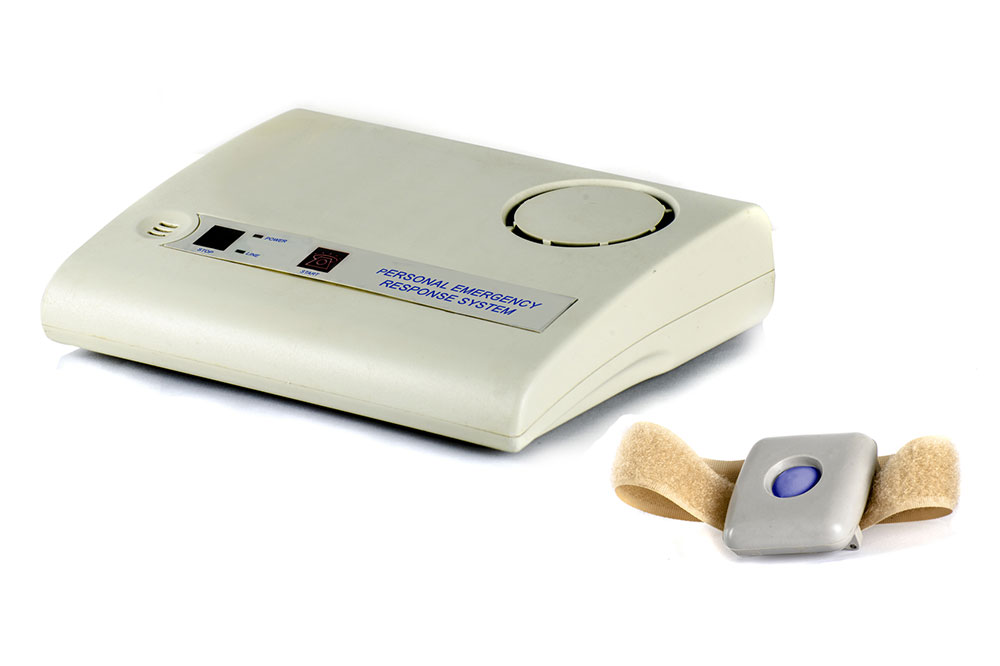
Stationary or Portable System? Choose between a fixed alert setup connected to a landline or a portable device worn by the senior. Home-based systems usually connect via landline but many now include cellular options if landlines aren’t available. Mobile alert devices utilize cellular networks and GPS to enable seniors to request help anytime and anywhere. Select the system that best fits your senior’s lifestyle and mobility.
Also, opt for water-resistant models. Many accidents happen in the bathroom, so a water-resistant pendant or wristband ensures the device remains operational even when wet, offering added safety. Simplicity is essential; pick an alert system that is easy to use, especially since some seniors may find complex technology intimidating. Ease of operation encourages timely assistance. Lastly, automatic fall detection is a valuable feature—it detects falls instantly and alerts emergency services without manual input, crucial when injury hampers movement.