Eco-Friendly Methods to Control Purslane Weed Naturally
Discover eco-friendly and natural techniques to control purslane weeds effectively. This guide covers safe methods like vinegar application, manual removal, soil solarization, and natural soil treatments. Perfect for gardeners seeking sustainable solutions without chemicals, these strategies promote healthy, weed-free landscapes. Learn how to identify and manage purslane to maintain garden beauty and plant health naturally.
Eco-Conscious Strategies to Manage Purslane Growth
Purslane is a stubborn weed that easily invades gardens and lawns, rapidly spreading and challenging gardeners. Its quick proliferation and resilience make it hard to eliminate. Luckily, eco-friendly and natural techniques can effectively keep purslane at bay. From manual removal to organic treatments, these methods are safe for the environment and your garden. Read on to learn sustainable strategies to control purslane and maintain a vibrant, healthy landscape.
Understanding Purslane
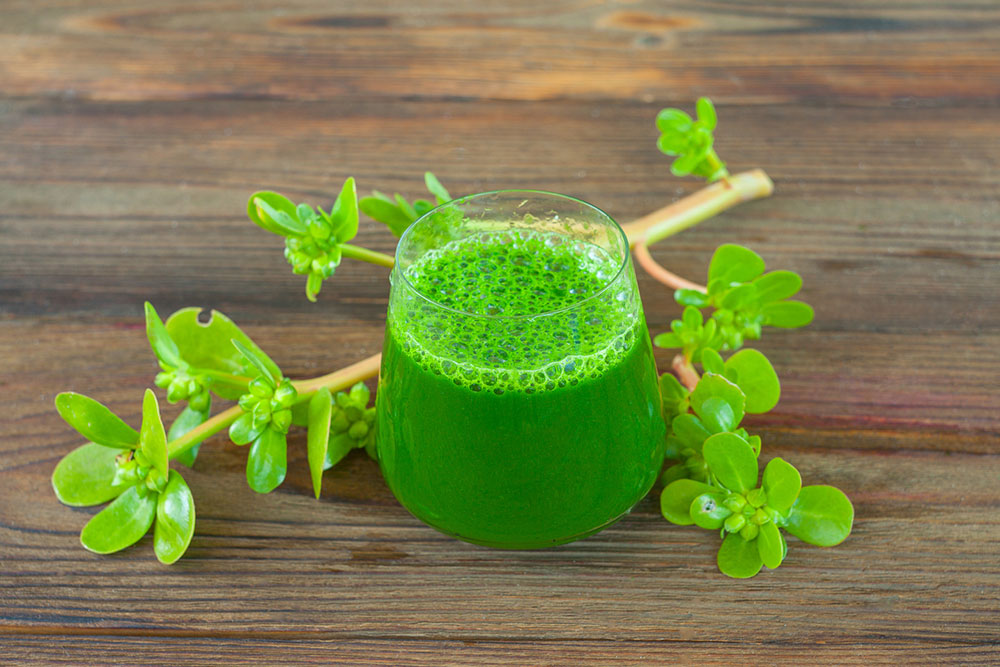
Purslane is a hardy invasive plant characterized by its succulent leaves and reddish stems. It forms dense patches with yellow star-shaped flowers and thrives in disturbed or bare soils. Its ability to grow in tough conditions and deplete soil nutrients makes it a common but problematic weed. Managing purslane is key to preserving garden aesthetics and ensuring other plants flourish.
Not only does purslane diminish visual appeal, but it also drains essential nutrients from the soil, affecting plant health. Its resilience in poor and dry soils necessitates regular removal. Organic solutions—ranging from simple home remedies to targeted removal techniques—offer sustainable ways to control purslane naturally and effectively.
Organic Techniques to Halt Purslane Growth
Employing natural methods supports garden health without chemicals. Here are effective, eco-friendly options:
Applying Vinegar
Household vinegar contains acetic acid that effectively dehydrates weeds like purslane. Spray directly onto the weeds, being cautious to prevent contact with desirable plants. Once the weed dies, it can be carefully removed and discarded.
Manual Removal of Small Plants
Removing purslane while it's young prevents seed spread. Hand-pulling should be done gently to avoid disturbing the soil too much, which could cause seeds to disperse. This early removal halts future infestation.
Eliminating Plant Fragments
Ensure all pulled-out stems and leaves are disposed of properly, as fragments can root again. Proper removal minimizes the chance of regrowth and keeps the garden weed-free.
Soil Solarization
Cover exposed soil with black or transparent plastic to harness solar heat, raising soil temperature to around 130°F (54°C). This process destroys weed seeds and roots. For best results, keep the soil moist and secure the plastic for up to six weeks.
Other organic options include using ammoniated soap or blending salt and vinegar into the soil to inhibit purslane growth. These practices help maintain a healthy, pest-free garden environment.