Effective Approaches to Relieve Shingles Pain and Discomfort
Learn effective methods to manage shingles pain, including natural remedies, medical treatments, and lifestyle strategies. Early intervention can alleviate symptoms and prevent complications. Consult healthcare providers for persistent or severe cases to ensure appropriate care.
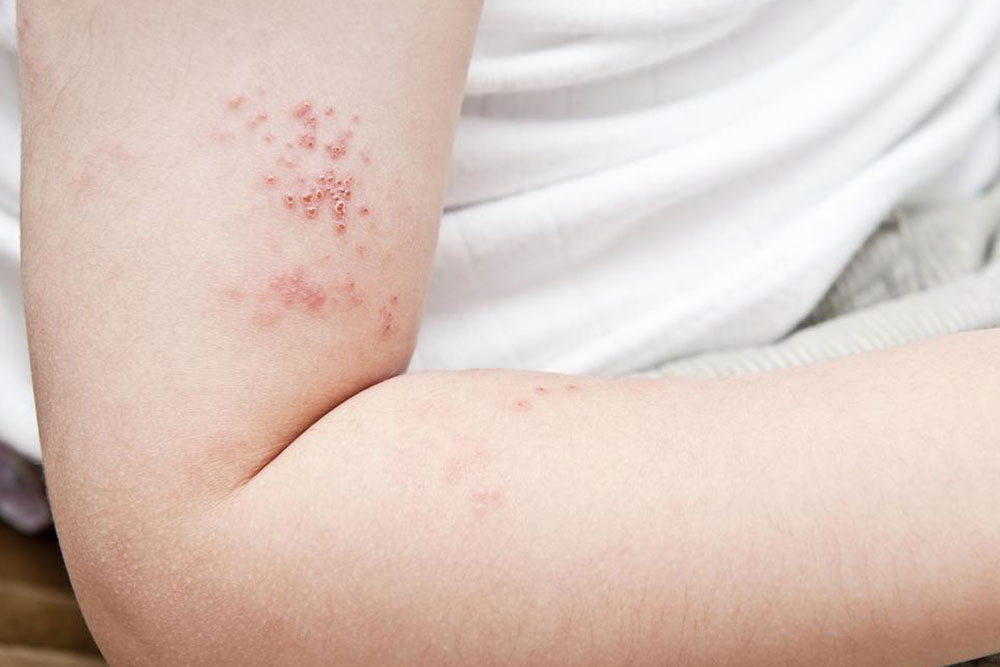
Shingles, known medically as herpes zoster, impacts nearly one-third of the population in the United States, presenting as painful skin rashes that often form a band or localized area on one side of the face or torso. This condition arises from the reactivation of the varicella zoster virus, which also causes chickenpox. After overcoming childhood chickenpox, the virus remains dormant and can reactivate later, especially in cases of weakened immunity, medication effects, or aging.
The reactivated virus travels along nerve routes, resulting in rashes along with nerve pain called shingles. Post-herpetic neuralgia (PHN) may develop if nerve damage persists for over three months post-rash healing, predominantly affecting those over 50. Timely medical intervention is crucial for persistent PHN.
Early symptoms mimic flu signs, such as chills and stomach upset, without fever. Tingling, numbness, and burning sensations occur in affected nerves. The characteristic blisters form in bands, causing itchiness and soreness, typically healing within 2–4 weeks and possibly leaving scars. Pain may continue after the rash heals.
Managing pain effectively includes natural remedies like aloe vera combined with cayenne pepper for instant relief and healing support. Essential oils like eucalyptus and lemon can be used in massages or baths to alleviate nerve pain. Cold compresses soothe discomfort, but avoid ice packs that could aggravate itching. For severe pain or cases lasting beyond three months, consulting a healthcare professional for antiviral medications or painkillers is advisable. Additional options, including acupuncture, biofeedback, electrical nerve therapy, and psychological support, can aid in pain control. Personalized treatment plans developed by specialists ensure better symptom management.
Remember: Always seek medical advice for severe or ongoing shingles symptoms. The following information is educational and does not replace professional healthcare guidance.