Historical Evolution and Significance of Prayer Beads in Global Religious Practices
This article explores the rich history and cultural significance of prayer beads across various religions, including Christianity, Buddhism, and Islam. It highlights different types, materials, and their roles in spiritual practices, emphasizing their universal importance in meditation, prayer, and devotion.
Historical Evolution and Significance of Prayer Beads in Global Religious Practices
Originating from the Old English word "bede," meaning prayer, the concept of prayer beads has a history spanning nearly 2,900 years. Hinduism first adopted these beads, later embraced by Muslims and Buddhists. In the Middle Ages, Christians created their own versions, such as rosaries. This article examines the variety of prayer beads used across Christianity, Buddhism, and Islam, highlighting their cultural and spiritual importance.
Varieties of Prayer Beads
Key categories include:
Christian Prayer Beads
Popular among Lutheran, Catholic, and Episcopal believers, Christian prayer beads are used for repetitive prayer, meditation, and devotion. The beads often symbolize specific spiritual concepts and are crafted from diverse materials, worn as necklaces or bracelets. Notable types include the Lutheran rosary, the Wreath of Christ, and the Anglican rosary, aiding in prayer routines.
Buddhist Prayer Beads
Referred to as Tibetan prayer beads, these stringed beads typically include 108 units plus a Guru bead. Each bead represents a breath or mantra, supporting meditation practices. Made from stones, wood, or seeds, they serve as a symbol of spiritual identity. Used in various meditation techniques, Tibetan prayer beads promote tranquility, reduce anxiety, and improve sleep, fostering inner peace and spiritual growth.
Islamic Prayer Beads
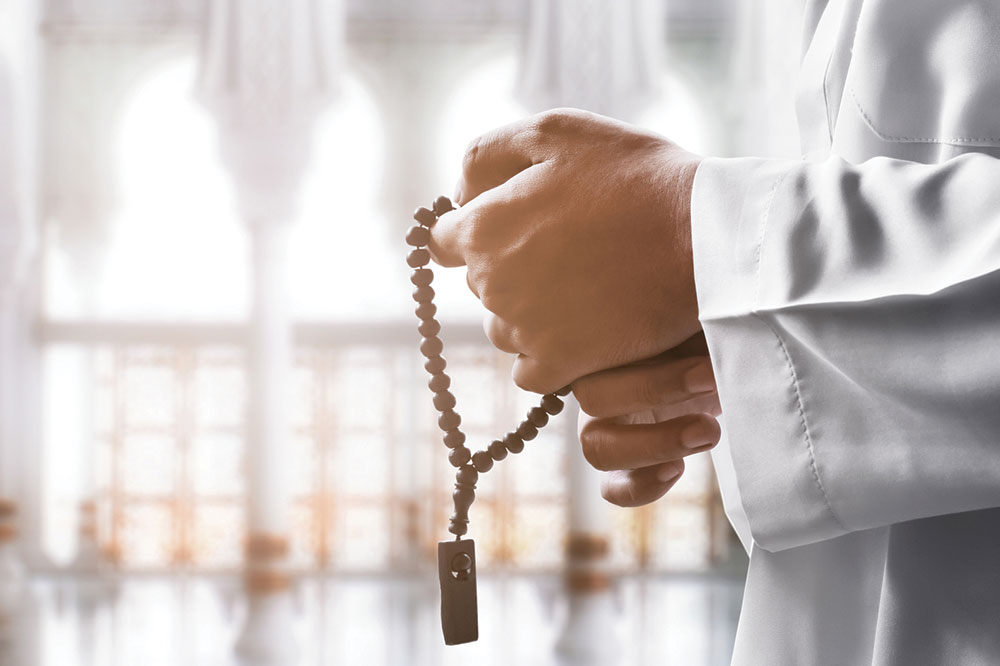
Known as "Subha" or "Misbaha," these beads generally consist of 99 units divided into three groups of 33. Crafted from materials like plastic, wood, pearls, amber, agate, or onyx, they are often gifted during pilgrimages. The beads are used to count prayers and supplications, playing a vital role in spiritual practice.