Simple Tips to Improve Indoor Air Quality and Ventilation
Discover practical strategies to improve indoor air quality by boosting ventilation, using air purifiers, maintaining cleanliness, and incorporating air-purifying plants. These easy tips help create a healthier living environment by reducing allergens, pollutants, and moisture buildup, ensuring cleaner and fresher indoor air for you and your family.
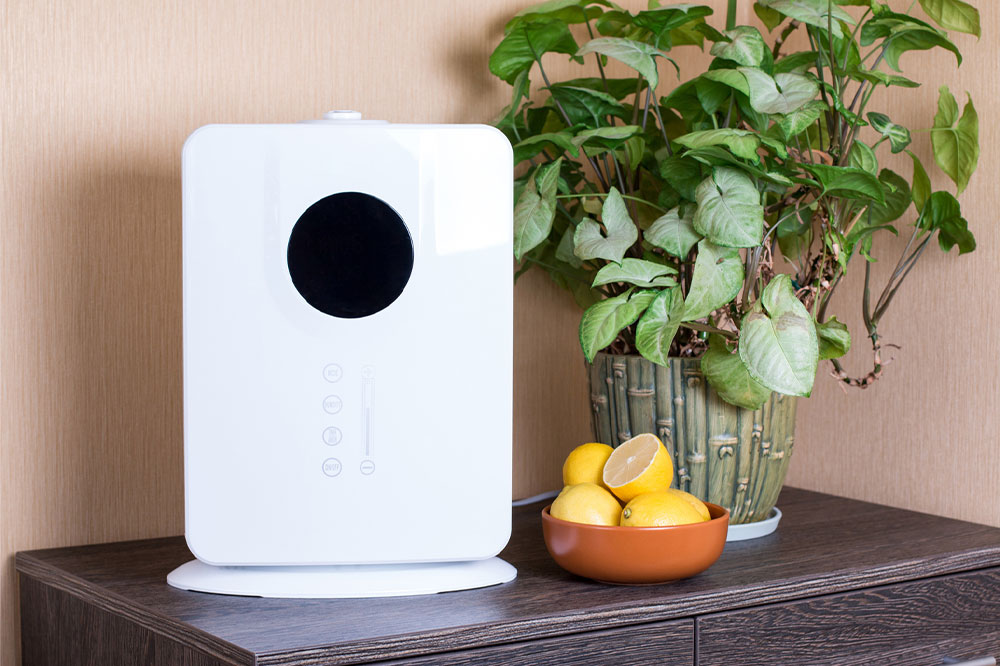
Easy Methods to Enhance Air Quality Indoors
Many homes in the U.S. face challenges with indoor air pollution, often due to clutter, infrequent cleaning, and poor airflow. Common airborne pollutants like dust, mold spores, pet fur, and household chemicals can affect breathing and health. Making small lifestyle changes and routine maintenance can greatly boost indoor air freshness and safety, creating a healthier living space for everyone.
Replace Filters and Utilize Air Purifiers
HVAC units help capture airborne contaminants before distributing cooled air. Regular filter replacements and system upkeep are essential for efficiency. Air purifiers with HEPA filters are also effective, trapping up to 99% of airborne allergens, VOCs, smoke, mold spores, and pet dander, making indoor air cleaner, especially for sensitive individuals.
Enhance Ventilation
Fresh air exchange plays a critical role in maintaining air quality. Opening windows and doors daily helps expel pollutants and odors, reduce humidity, and prevent mold growth. Using dehumidifiers can further control moisture levels, protecting your home from mold and mildew.
Maintain Cleanliness
Regular cleaning helps reduce allergen buildup. Vacuum with HEPA filters regularly on floors and furniture, especially where pets are present, to remove dander and dust. Decluttering also minimizes dust collection, making cleaning easier and reducing airborne pollutants.
Add Indoor Plants
Plants such as peace lilies, spider plants, bamboo palms, and aloe vera not only beautify your home but also naturally purify the air by absorbing carbon dioxide and releasing oxygen. Check for plant allergies among household members before introducing new greenery.
Use Exhaust Fans
Exhaust fans in kitchens and bathrooms help remove cooking fumes, odors, and excess moisture. Proper ventilation during cooking, especially with gas appliances, reduces the risk of harmful gases like carbon monoxide. These fans also help control humidity and airborne pollutants, preventing mold growth.
Following these simple practices consistently can lead to significantly better indoor air quality and a healthier, more comfortable home environment.