Top Guidelines for Purchasing a Used Van
Discover essential tips for purchasing a used van, including evaluating seller credibility, inspecting vehicle condition, reviewing history reports, and understanding total costs. These guidelines help buyers make informed and safe decisions when buying pre-owned vans, ensuring a worthwhile investment and avoiding common pitfalls.
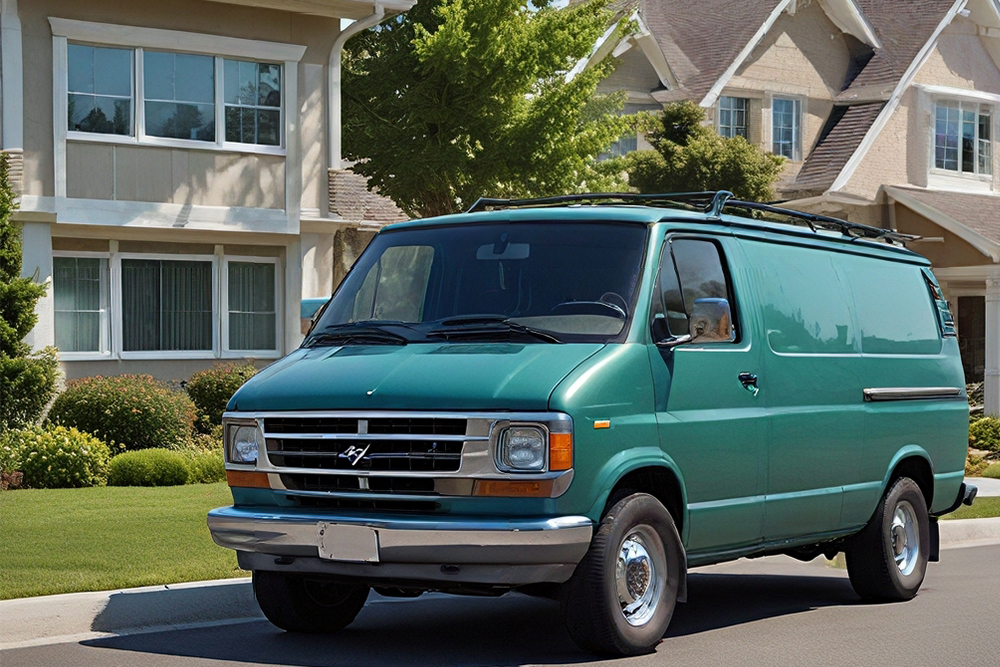
Top Guidelines for Purchasing a Used Van
Vans are highly sought after for both work and personal use because of their spaciousness and adaptability. New models can cost upwards of €30,000, making used vans a more economical option. To ensure a wise investment, it’s important to evaluate several key aspects before finalizing your purchase.
1. Seller Trustworthiness
Whether buying from an individual or a dealership, verifying the seller’s credibility is essential. Private sellers might offer cheaper deals but can pose risks if not trustworthy. Confirm their details and ensure the van is registered under their name. When purchasing from a dealer, check reviews and reputation to avoid issues.
2. Vehicle Condition
Carefully examine the condition of the used van. Don’t rely solely on exterior looks; inspect the interior and mechanical systems thoroughly. If the price looks suspiciously low, consider having a qualified mechanic evaluate the vehicle. Resistance from the seller to inspection could be a red flag. A professional check helps uncover hidden issues and confirms value.
3. Vehicle History Reports
Review the van’s history report to understand past ownership, accident records, major repairs, and legal status. Obtain official reports from sources like the Directorate-General for Traffic (DGT) to make an informed decision and avoid problematic vehicles.
4. Test Drive
Always take the van for a test drive to assess handling, braking, and overall driving comfort. Even after a professional inspection, test driving provides additional insights. If you feel uncomfortable or the vehicle doesn’t perform well, look at other options.
5. Mileage Evaluation
Check the odometer to estimate wear and fuel efficiency. Lower mileage usually indicates less engine stress and greater longevity, making it a better purchase.
6. Registration Handling
Be prepared to manage the registration transfer yourself. Don’t rely solely on the seller or dealership to do this. Ensuring proper transfer avoids future legal complications.
7. Tax and Fee Clearance
Verify that all taxes, such as IVTM, have been paid by the previous owner. Unpaid taxes can cause legal issues and extra costs. Ask for proof or check through official channels.
8. Total Investment Calculation
Account for all potential expenses, including repairs, insurance, taxes, and registration. Establishing a budget beforehand helps filter options. Use online filters like "used vans under €5000" or "vans near me under €10000" to find options that fit your financial plan.