8 Nutritional Strategies to Effectively Manage Blood Glucose Levels
Discover eight nutritious foods that effectively help manage blood glucose levels. From vegetables and fruits to healthy fats and proteins, these options support diabetes control and overall health. Incorporate these foods into your diet for better blood sugar regulation and improved well-being, complemented by regular exercise and medical guidance.
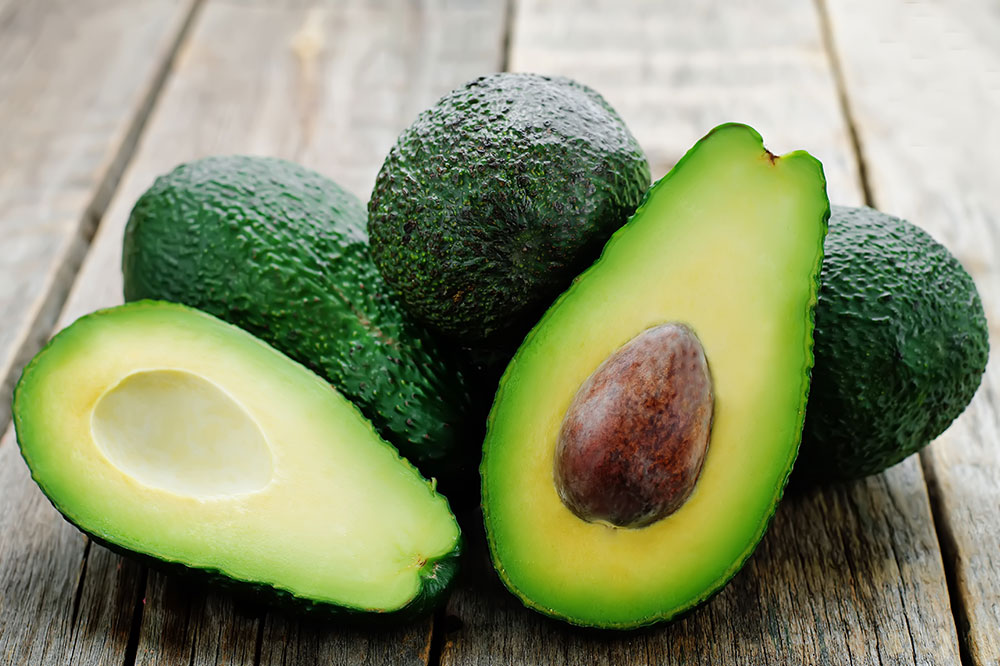
Achieving stable blood sugar levels involves strategic dietary choices. Incorporating specific nutrient-rich foods into your daily meals can help regulate blood glucose while supporting overall health and maintaining a healthy weight. While a balanced diet is vital, knowing which foods aid in blood sugar control is equally important. Below are eight easily accessible, health-promoting foods that can assist in managing elevated blood sugar levels. Discover these wholesome options to enhance your wellness journey!
Crucial Role of Vegetables in Blood Glucose Balance
Vegetables are essential components of a nutritious diet, providing key nutrients and fiber. Opting for low-carb vegetables like mushrooms, tomatoes, sprouts, and onions can support weight management and stabilize blood sugar levels. Flavorful preparation methods can make meals enjoyable without sacrificing nutritional benefits.
Broccoli for Heart and Eye Health
Often recommended for those with high blood sugar, broccoli is a nutrient-dense vegetable loaded with vitamin C and beta-carotene, which boost immune function and eye health. Its anti-inflammatory and cardioprotective properties help reduce cardiovascular risks. Enjoy steamed, roasted, or blended into soups for a diabetes-friendly addition.
Avocados Improve Blood Sugar Control
Rich in monounsaturated fats beneficial for heart health, avocados also enhance insulin sensitivity. Regular consumption can aid in better blood glucose regulation, making them a valuable part of a diabetes management plan.
Asparagus: A Diabetic-Friendly Vegetable
This tasty vegetable contains just 5 grams of carbs per serving and is high in dietary fiber, supporting insulin health. Incorporating asparagus into meals can help maintain balanced blood sugar levels, making it an ideal choice for those with diabetes.
Legumes for Digestive and Blood Sugar Health
Beans are versatile ingredients suitable for various dishes like stir-fries, salads, and Mexican cuisine. Choosing low-sodium varieties ensures cardiovascular health. Their high fiber content aids digestion and supports steady blood sugar levels.
Blueberries: Natural Support for Blood Sugar Moderation
Berries like blueberries are rich in antioxidants such as anthocyanins, which can reduce blood sugar spikes. Regular intake may help lower the risk of type 2 diabetes and assist in blood glucose management.
Fatty Fish for Stable Blood Sugar
Including fish like salmon, sardines, or herring can enhance blood sugar control due to their omega-3 fatty acids and low saturated fat content. They are excellent sources of healthy protein suitable for diabetic diets.
Leafy Greens for Nutritional Optimization
Leafy vegetables such as kale, spinach, and chard are powerful allies in blood sugar regulation. Incorporate them into meals through roasting, sautéing, or salads to boost nutrient intake and flavor. Combining greens with lean proteins creates balanced, diabetic-friendly dishes.
Pairing a nutrient-rich diet with regular physical activity is key in managing high blood glucose. Whole grains and flavorful preparations make control efforts more enjoyable. Supplements like Glucocil may support blood sugar regulation by reducing sugar absorption and enhancing cellular utilization, but consultation with a healthcare professional is advised.