Advantages and Challenges of Digital Fund Transfers
This article explores the benefits and risks of digital money transfers, highlighting their security, speed, and cost-effectiveness. It discusses mobile transfer convenience, potential threats, and future industry growth, emphasizing the transformation of global financial exchanges through technology.
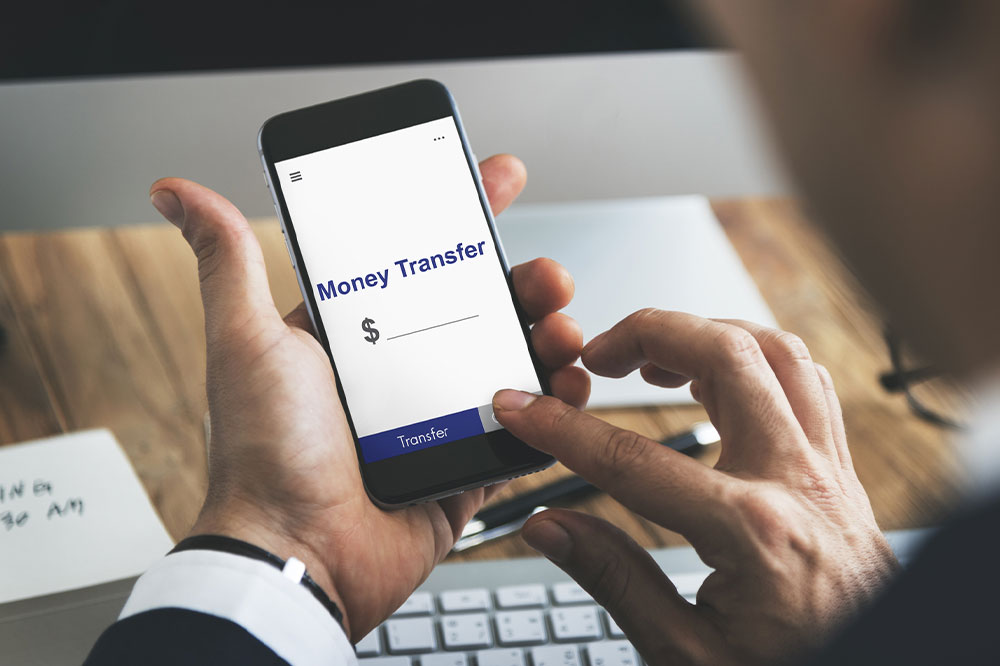
Digital fund transfer methods have revolutionized how we move money, replacing traditional cash and check payments with fast, secure online solutions. In the past, transferring money involved cumbersome procedures and physical exchanges, leading to delays. Modern electronic transfer platforms leverage internet and mobile technology to enable quick, reliable transactions between banks worldwide.
Users can now send funds internationally within moments—ideal for paying suppliers or making online purchases. These services are secure, user-friendly, and enhance financial accessibility by streamlining the transfer process.
Security: Cutting-edge encryption and layered protections ensure user data remains safe during transactions.
Ease of Use: Simple interfaces allow even newcomers or seniors to perform transfers with minimal effort on smartphones or computers.
Speed: Transfers are almost immediate, often completing within a few minutes across borders.
Exchange Rates: Real-time updates help users track currency fluctuations during international transfers.
Cost Savings: Digital transfers typically incur lower fees than conventional methods, reducing expenses through fewer intermediaries.
Mobile money transfers are favored for their convenience and privacy, allowing users to send money from anywhere using their smartphones. However, risks include device incompatibility, network issues, hacking attempts, fraud, and theft. Securing apps and cautious device management help mitigate these threats. As technology progresses, services like PayPal and Xoom are poised to expand, further simplifying global financial transactions.