Effective Strategies for Fertilizing Blueberry Shrubs
Discover essential tips for fertilizing blueberry plants to promote healthy growth and high yields. Learn about optimal timing, fertilizer types, cost estimates, and measures to prevent overfeeding. Suitable for home gardeners and small-scale growers, these guidelines help maximize blueberry cultivation success.
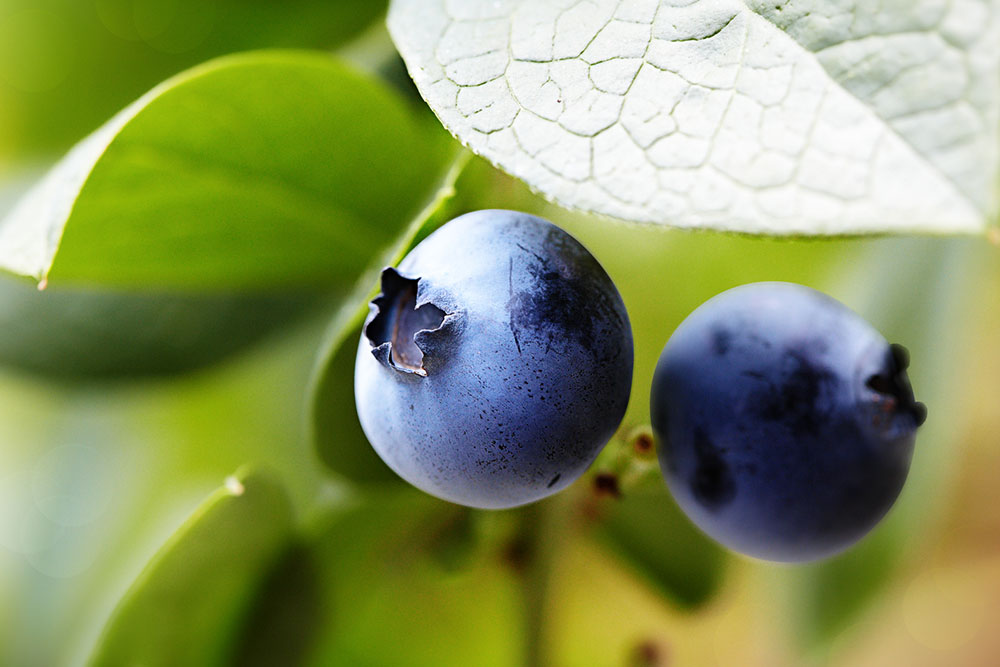
Growing blueberries at home is straightforward and requires minimal space, making them a popular choice for hobby gardeners. They are hardy plants that do not need trellises like some other berries but need proper nutrition to thrive. Correct fertilization is essential to ensure healthy development and high yields. Over-fertilizing can be detrimental. Here are essential tips for fertilizing blueberry bushes to promote optimal health and productivity.
Benefits of Proper Fertilization
Applying suitable fertilizers offers multiple advantages:
Robust Growth
Nutrients such as nitrogen, phosphorus, and potassium support strong roots, sturdy stems, and vibrant foliage.
Better Fruit Yield
Well-fertilized plants produce larger, sweeter berries, with improved flowering and fruit setting.
Enhanced Disease Resistance
Proper nutrition helps strengthen the plant's immune system, making it more resistant to pests, drought, and fungal diseases.
Cost Considerations for Blueberry Fertilizers
Prices vary depending on product type and quantity. Liquid fertilizers often cost around $30 per quart, while granular options start at about $16 for a 5-pound bag. Organic fertilizers tend to be pricier due to concentrated formulas. The annual cost per acre is roughly $120 in the first year, increasing to $170 in year two, and around $350 thereafter, ensuring consistent nourishment.
Fertilization Timing According to Growth Phase
Timing is crucial for effective fertilization. Blueberries should be fertilized three times annually: early spring, late spring or early summer, and after harvest.
Early Spring
From March to April, just before buds open, fertilize to jumpstart new growth.
Late Spring/Early Summer
About six weeks later, add more fertilizer to support leaf expansion and fruit growth.
Post-Harvest
After harvesting, fertilize to restore vigor for the upcoming season.
Fertilizer Amounts and Avoiding Overfeeding
Giving too much fertilizer can lead to undesirable effects like excessive branching, reduced berry size, or soil salinity issues. Young plants require less: half the normal amount in their first two years, three-quarters in Year three, and full dose after four years. Proper application promotes healthy development without adverse impacts.
Recommended Fertilizer Types for Blueberries
Blueberries thrive with nitrogen-rich fertilizers that release nutrients slowly, such as sulfur-coated urea, urea, ammonium sulfate, or organic amendments like manure. Acid-loving formulations with ratios like 7-7-7 or 4-3-4 are suitable. Homemade inputs like coffee grounds, eggshells, Epsom salts, composted yard waste, and manure can enrich soil health and boost plant growth.
Disclaimer:
This guide offers practical advice on blueberry fertilization based on trusted sources. Always consider local conditions and seek expert consultation for personalized recommendations. The information provided is educational and not a substitute for professional horticultural services. The website disclaims responsibility for inaccuracies or discrepancies.