Strategies to Effectively Control Migraine Symptoms
Learn effective strategies to manage migraine pain through medications, lifestyle changes, and natural remedies. Identifying triggers and adopting preventive measures can significantly reduce attack frequency and severity, improving quality of life for migraine sufferers.
Strategies to Effectively Control Migraine Symptoms
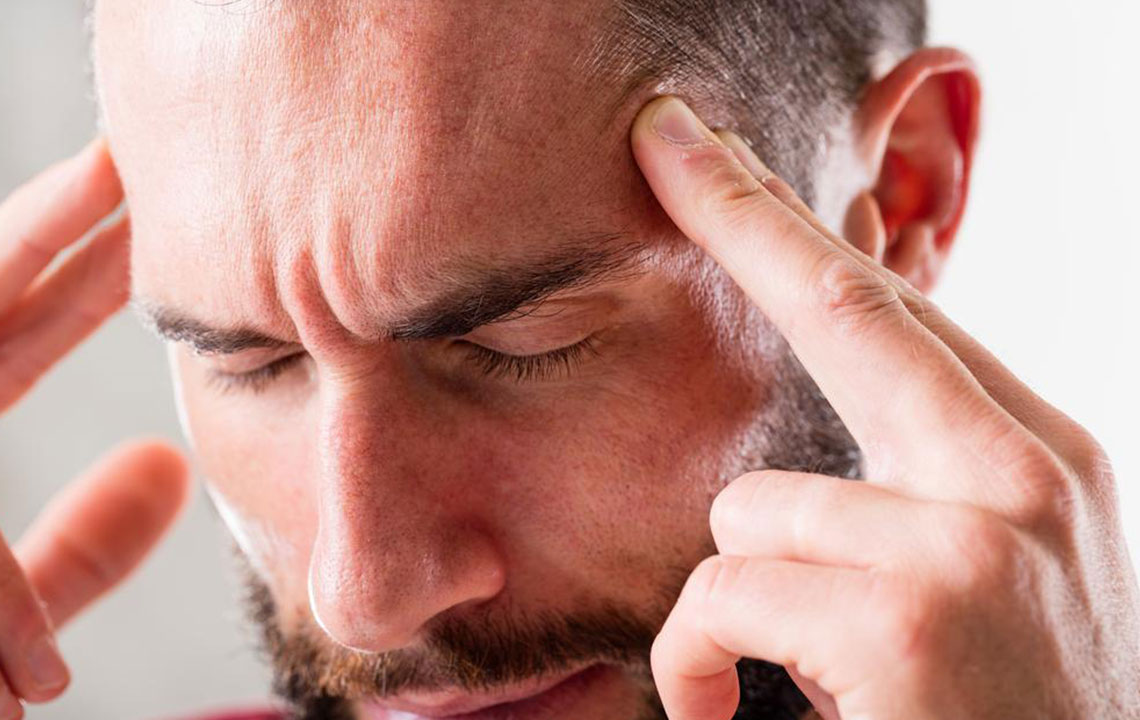
Migraines are intense headaches that can significantly impact daily life. Unlike common headaches, migraines may last hours or days and are often accompanied by visual symptoms such as flashing lights or wavy lines. Women are more prone to migraines than men, but effective relief options are available. Treatments include medications and lifestyle modifications designed to prevent attacks and lessen their severity.
Although migraines tend to recur and can be intense, they can be controlled with proper management strategies. Identifying triggers and selecting the right treatment approach is crucial. Management comprises immediate relief methods called abortive therapies and preventive measures to reduce future episodes.
Abortive treatments aim to relieve pain during an attack. Initiating treatment at the first signs of a migraine is advised. Doctors often prescribe medications like oral pills, nasal sprays, patches, or injections targeting pain and nausea. Common medications include triptans and anti-nausea drugs like Chlorpromazine or Metoclopramide. For mild attacks, over-the-counter options may suffice, but severe migraines often require professional guidance for optimal medication use.
Preventive strategies focus on decreasing the frequency and severity of migraines, especially for those with frequent or intense attacks. Preventive options include:
Cardiovascular agents such as beta blockers to lessen attack severity.
Antidepressants like certain tricyclics that influence brain chemicals such as serotonin.
Anti-epileptic drugs to prevent recurring migraines, with attention to side effects.
Pain relief medications including anti-inflammatory agents and NSAIDs to manage symptoms.
Natural remedies and lifestyle adjustments play a key role in managing migraines. Recognizing and avoiding triggers, alongside adopting healthy habits, can help reduce attacks. Practical tips include:
Using ice packs on painful areas for relief, avoiding hot compresses.
Herbal treatments suggested for migraine relief with fewer side effects.
Avoiding alcohol as it can trigger migraines and worsen hangovers.
Maintaining consistent routines with sleep and diet to prevent irregular habits from causing migraines.
While migraines can be challenging, proper treatments and lifestyle modifications make them manageable.