Top Causes of Women's Hair Loss and How to Effectively Address Them
This article explores the top causes of female hair loss, including nutritional deficiencies, hormonal changes, and styling habits, offering practical solutions. Early diagnosis and targeted treatment are key to preventing further hair thinning and encouraging regrowth. Understanding and addressing these factors can help women maintain healthy, vibrant hair and boost confidence. The article emphasizes the importance of medical consultation for accurate diagnosis and effective intervention, ensuring personalized care for hair health.
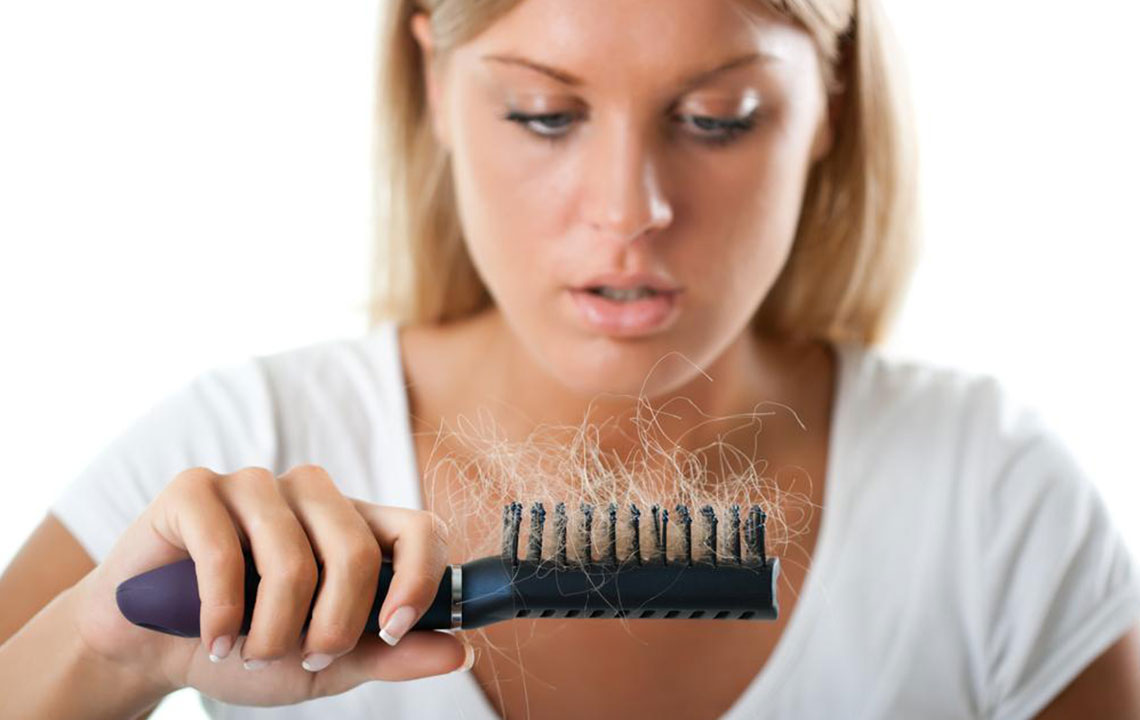
Common Reasons Behind Hair Thinning in Women and Practical Solutions
Here are the main factors contributing to female hair loss and recommended remedies.
Insufficient Protein Intake
Protein is essential for maintaining strong, healthy hair growth.
Not consuming enough protein can disrupt hair growth cycles and cause shedding.
Suggestion – Incorporate protein sources like meat, seafood, beans, seeds (chia, sesame, sunflower), soy products, eggs, and tofu into your diet.
Physical Trauma or Health Conditions
Serious illness, injuries, or surgeries can lead to temporary hair loss called telogen effluvium due to physical stress on the body.
Suggestion – Hair typically regrows as recovery progresses. Medical guidance can help support optimal hair restoration during this period.
Genetics
Genetic predisposition can cause hair thinning and receding hairlines in women, especially with age.
Suggestion – Medical assessments can identify suitable treatment options, including medications or topical treatments to slow hair loss and preserve existing hair.
Post-Pregnancy Hair Loss
Hormonal shifts and stress after childbirth often lead to hair shedding in new mothers.
Suggestion – This condition is usually temporary; maintaining a nutritious diet and regular physical activity supports hair regrowth over time.
Excess Vitamin A
While vital for health, excessive intake of vitamin A, especially from supplements, can prompt early hair shedding by pushing hair follicles into the shedding phase.
Suggestion – Limit vitamin A supplements and prioritize natural food sources to avoid overconsumption.
Harsh Hair Styling Practices
Frequent use of heat styling, chemical treatments, or tight hairstyles can cause permanent follicle damage.
Suggestion – Reduce heat and chemical procedures. Use gentle shampoos, scalp massages, and natural oils to improve hair strength and growth.
Iron Deficiency (Anemia)
Iron deficiency is common among women and can lead to hair loss accompanied by tiredness, pale skin, and cold extremities.
Suggestion – Medical evaluation and iron supplementation combined with dietary improvements can help restore iron levels and support healthy hair growth.
Medication Side Effects
Certain drugs, including antidepressants, blood thinners, and hormonal treatments, may cause hair thinning as a side effect.
Suggestion – Consult your healthcare provider before adjusting or stopping medication; do not alter prescribed treatments without professional guidance.
Hypothyroidism
An underactive thyroid decreases hormone production, resulting in hair thinning.
Suggestion – Hormonal therapy prescribed by a doctor can help restore hormonal balance, promoting healthy hair growth.
Implementing these strategies can effectively address the most common causes of female hair loss.