Innovations and Advantages of Prefab Housing
Discover the evolution and advantages of prefab housing, from post-war innovations to modern eco-friendly designs. Learn how these homes offer affordability, sustainability, and quick construction, making them a smart choice for environmentally conscious buyers.
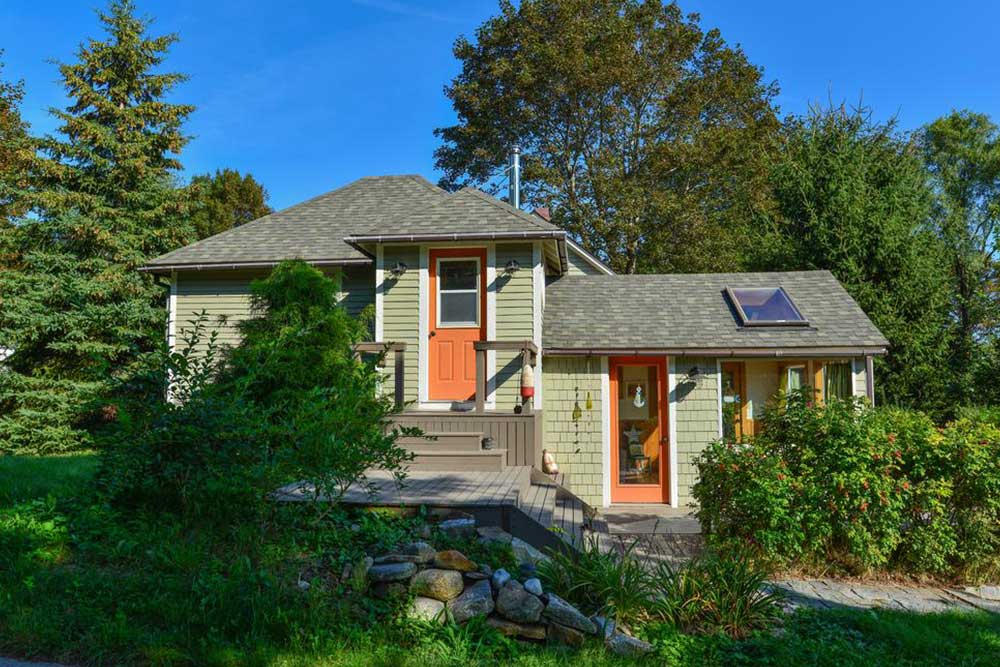
Innovations and Advantages of Prefab Housing
Prefabricated houses gained popularity after World War II, providing quick solutions to housing shortages. Early models cost less than $2500 and included ready-made wood components, nails, tools, and paint, enabling homeowners to assemble their homes with ease. In the 1970s, safety regulations improved, ensuring better standards. Today, modern prefab homes feature advanced technology and eco-friendly materials. They are popular for affordability, durability, sustainability, and visual appeal, making them ideal for first-time buyers interested in eco-conscious lifestyles.
For environmentally sustainable living, prefab homes are highly recommended. Built in factories to precise measurements, they minimize material waste by nearly 50%. Excess materials are recycled, reducing landfill waste by 40%. Modern modular designs often include green roofs, solar energy systems, and battery storage for surplus power. They also utilize non-toxic, low VOC materials, recycled reinforcing components, bamboo flooring, rainwater harvesting, geothermal heating, tankless water heaters, and low-flush toilets, making them a green choice for eco-conscious homeowners. When planning your prefab home, inquire about energy-efficient and sustainable materials to ensure an affordable and quick-to-build eco-friendly residence.