Comprehensive Guide to Vehicle Tracking Technology
Discover essential insights into vehicle tracking systems, including how they operate, key features, and tips for selecting the right fleet management solution. Learn how GPS technology enhances operational efficiency, safety, and accountability for your fleet. This guide helps businesses make informed choices tailored to their needs and budget, ensuring effective fleet management and improved service delivery.
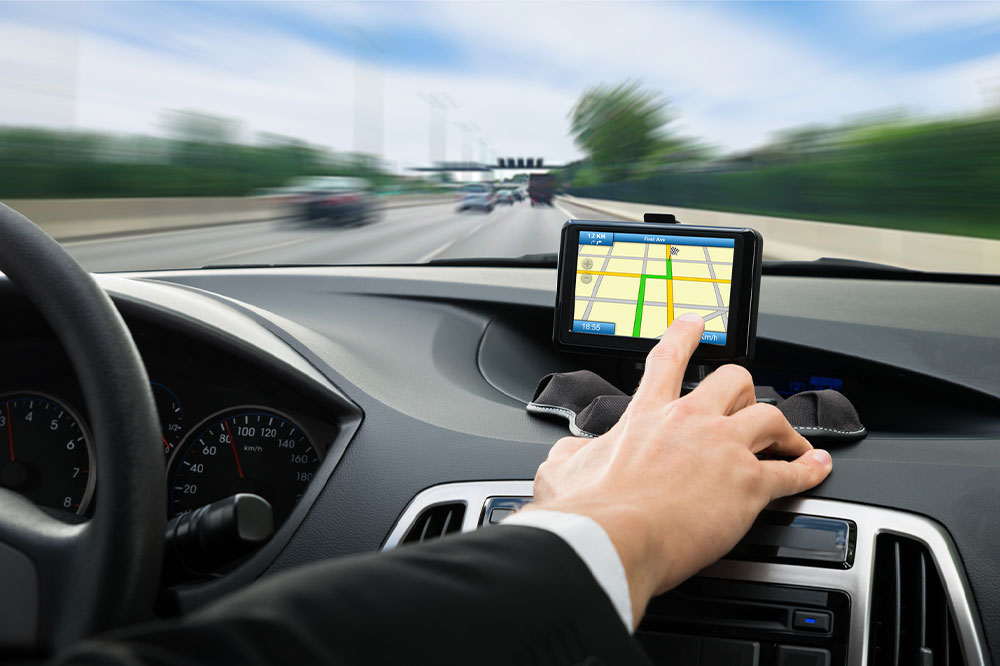
Getting Started with Vehicle Tracking Devices
When choosing a dependable vehicle tracking system, also known as fleet management technology, focus on critical factors. Determine what vehicle or driver data you need, assess the size of your fleet—whether a few vehicles or a large operation—and consider your budget constraints. These aspects will help you select a system tailored to your operational requirements and financial capacity.
What specific information about vehicles or drivers is essential?
How many vehicles need monitoring? A small number or an extensive fleet?
What is your financial plan, including initial costs and ongoing expenses?
Understanding both upfront and recurring costs is vital for effective planning.
What Are Vehicle GPS Tracking Systems?
Vehicle GPS solutions act as sophisticated fleet management tools, enabling companies to remotely monitor and manage their vehicles—reducing the reliance on manual supervision. These systems provide live updates on vehicle positions, enhancing operational efficiency.
They also contribute to driver safety and promote responsible driving habits.
How Vehicle Fleet Tracking Works
These systems involve installing hardware units in each vehicle that communicate with satellite GPS satellites for real-time location updates. The accompanying software processes data from hardware, offering instant alerts and detailed information to fleet managers.
Real-time data includes current location, speed, and vehicle status, simplifying fleet oversight.
Features of Modern Vehicle GPS Solutions
Besides basic location tracking, advanced GPS systems recommend optimal routes, monitor fuel efficiency, log mileage, and identify maintenance needs to lower costs. They also include dispatching and scheduling tools to improve workflow, increase customer satisfaction, and provide accurate ETA estimates.
These systems enhance accountability by monitoring driving styles, such as speeding and route deviations. Additional capabilities encompass accident reporting, roadside assistance, vehicle immobilization, anti-theft security, and driver attendance tracking.
Choosing the Ideal Vehicle GPS System
Select a system that fits your business goals by ensuring it offers essential features like dashboards, communication options, support services, and fuel card integration. Evaluate ease of use, signal reliability, mobile functionality, alert features, and third-party compatibility. While cost matters, prioritize value and feature set over price alone.
Contract Flexibility and Long-term Planning
Make purchasing decisions aligned with your future plans. Some providers require long-term contracts, which may limit flexibility. Seek solutions offering short-term agreements to allow adaptability as your business grows or strategies change.