Key Signs and Effective Strategies to Manage Menopause Symptoms
This article covers common menopause symptoms like hot flashes, night sweats, hair loss, mood swings, and fatigue, providing practical management tips. Recognizing these signs early enables effective coping strategies, helping women navigate menopause more comfortably and maintain their quality of life.
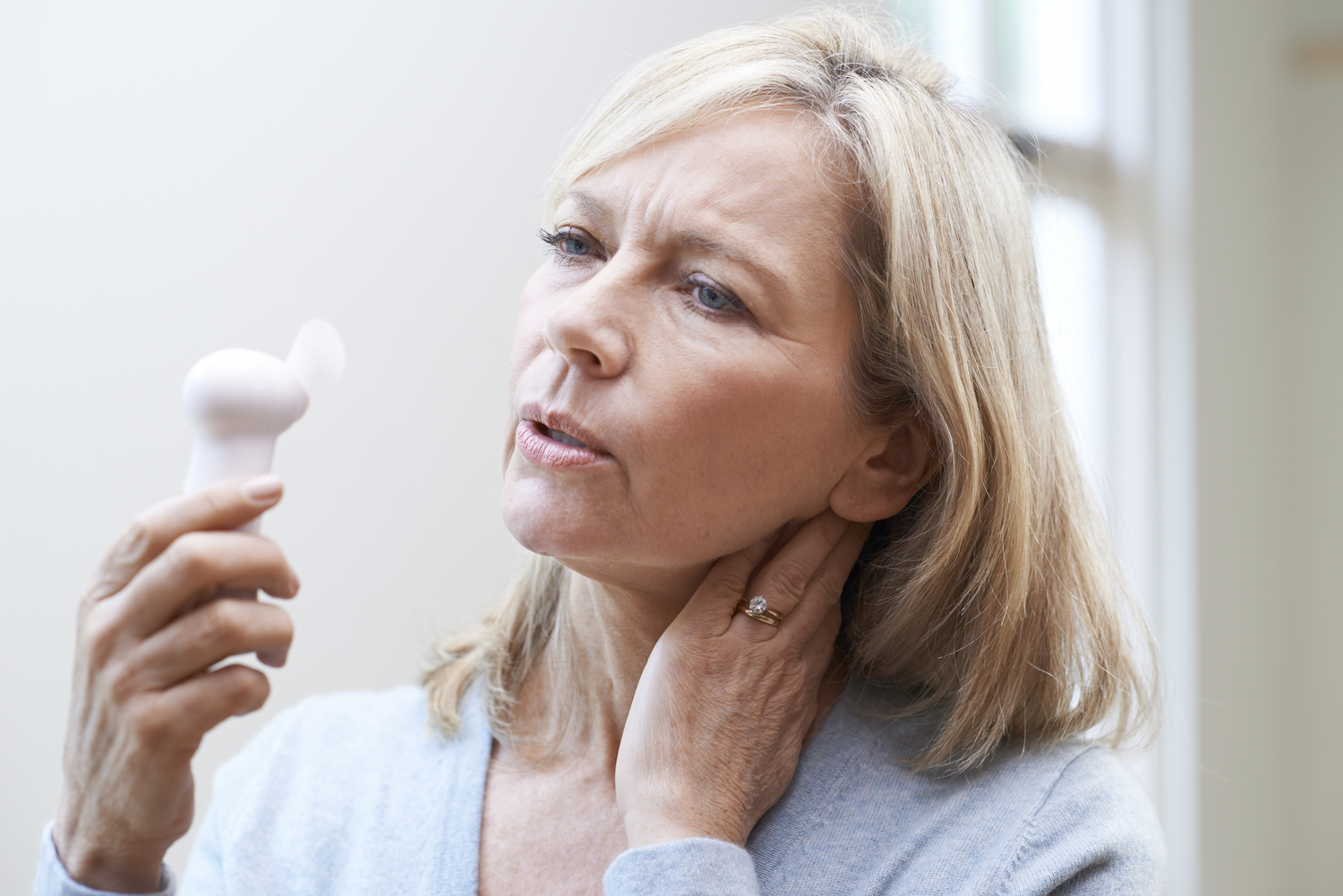
Entering your 40s often brings changes like irregular periods, signaling the start of menopause. While in the U.S. menopause typically occurs around age 50, lifestyle factors may cause earlier onset. All women experience menopause, which can bring physical, emotional, and mental symptoms. Recognizing these signs and adopting appropriate approaches can ease this transition. Here are the top ten menopause symptoms with tips for management:
Hot Flashes: Sudden feelings of heat caused by dropping estrogen levels can be alleviated by staying cool, avoiding spicy foods, and practicing relaxation techniques. Treatments like Prasterone (DHEA) are available under medical supervision.
Night Sweats: Interrupting sleep with intense heat, night sweats can be soothed through better ventilation and light bedding.
Thinning Hair: Hormonal changes may cause hair dryness and loss. Natural remedies, stress management, and omega-3 foods support hair health.
Mood Swings: Fluctuating hormones may lead to irritability or sadness. Emotional well-being improves with stress reduction and vitamin B12 intake.
Fatigue: Persistent tiredness calls for balanced diets, regular activity, and good sleep habits.
Memory Issues: Cognitive lapses can be combated by engaging in brain-stimulating activities like puzzles or new skills.
Decreased Libido: Hormonal shifts reduce sexual desire; open conversations and medical treatments can help restore intimacy.
Irregular Cycles: Period changes signal approaching menopause, requiring mental and physical adaptation.
Weight Gain: Metabolic slowdown can be offset with cardio exercises and active routines.
Headaches: Frequent headaches may require hormonal therapy after consulting a healthcare professional.
Understanding these symptoms and seeking appropriate strategies can promote smoother menopausal transition and well-being.