Common Causes of Tingling in Hands and Feet You Need to Know
Tingling in hands and feet is common but can signal underlying health issues. This article outlines causes such as nerve compression, vitamin deficiencies, diabetes, hypothyroidism, and alcohol use. Recognizing these factors can prompt timely medical intervention. Persistent symptoms should be assessed by a healthcare professional, as they may indicate more serious conditions. Understanding the root causes is essential for proper treatment and relief.
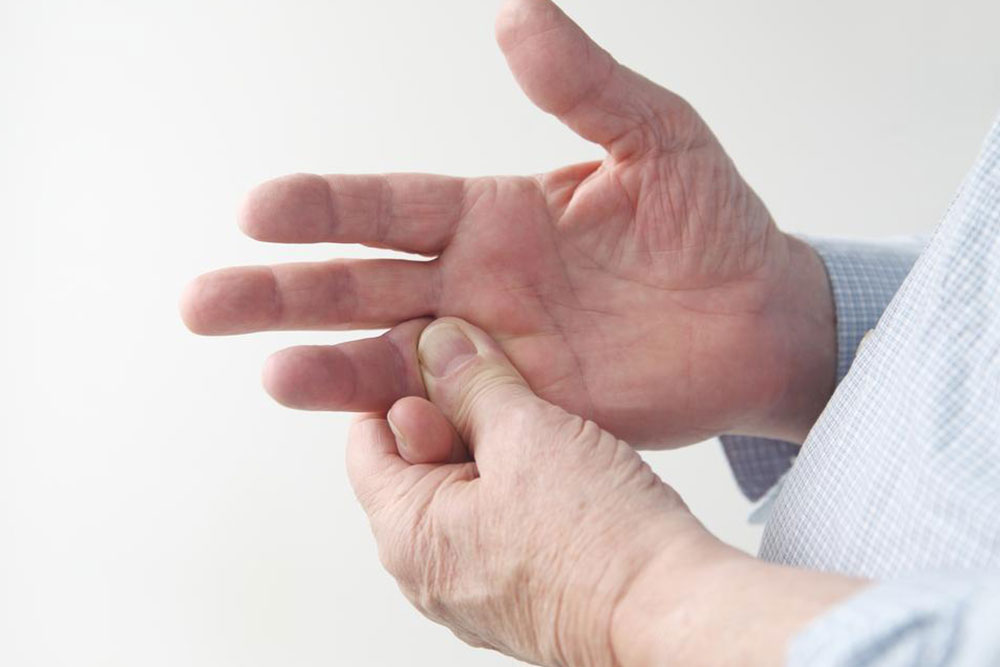
Occasional tingling or a prickling sensation in your hands or feet is quite typical and generally harmless. Usually, it results from staying in the same position for an extended period, such as sleeping awkwardly or crossing your legs, which temporarily reduces blood flow. Usually, moving or stretching alleviates the sensation. However, persistent or recurring numbness warrants professional medical evaluation. Doctors may recommend tests like blood analysis, EMG, CT, or MRI scans to pinpoint the root cause. These results help distinguish benign issues from more serious health conditions.
Common reasons behind tingling in extremities include:
Nerve pressure: Compression of nerves in the neck or back, often from arthritis, injuries, or poor posture, can cause tingling sensations radiating into limbs.
Vitamin shortages: Low levels of B1, B6, B12, E, and niacin are vital for nerve function. Deficiencies, especially of B12, can lead to numbness, fatigue, and anemia. Excess B6 intake may also produce similar symptoms.
Additional causes include:
Diabetes: Elevated blood sugar can damage peripheral nerves, initially causing tingling in the feet and later spreading to the hands and arms.
Hypothyroidism: An underactive thyroid gland might produce symptoms like tiredness, weight gain, dry skin, and tingling.
Alcohol consumption: Excessive alcohol intake can harm nerves and lead to vitamin deficiencies, resulting in numbness and tingling sensations.
Note: Our blog offers helpful insights on various topics based on research and data. It is not a substitute for professional medical advice. Always seek medical guidance for health concerns, and be aware that information or offers may change over time.