Top 8 Contraceptive Methods for Women's Family Planning
Explore the top eight effective contraceptive options for women, ranging from pills and devices to barrier methods. Understand their benefits, suitability, and precautions by consulting healthcare providers to find the best family planning solution tailored to your lifestyle and health needs.
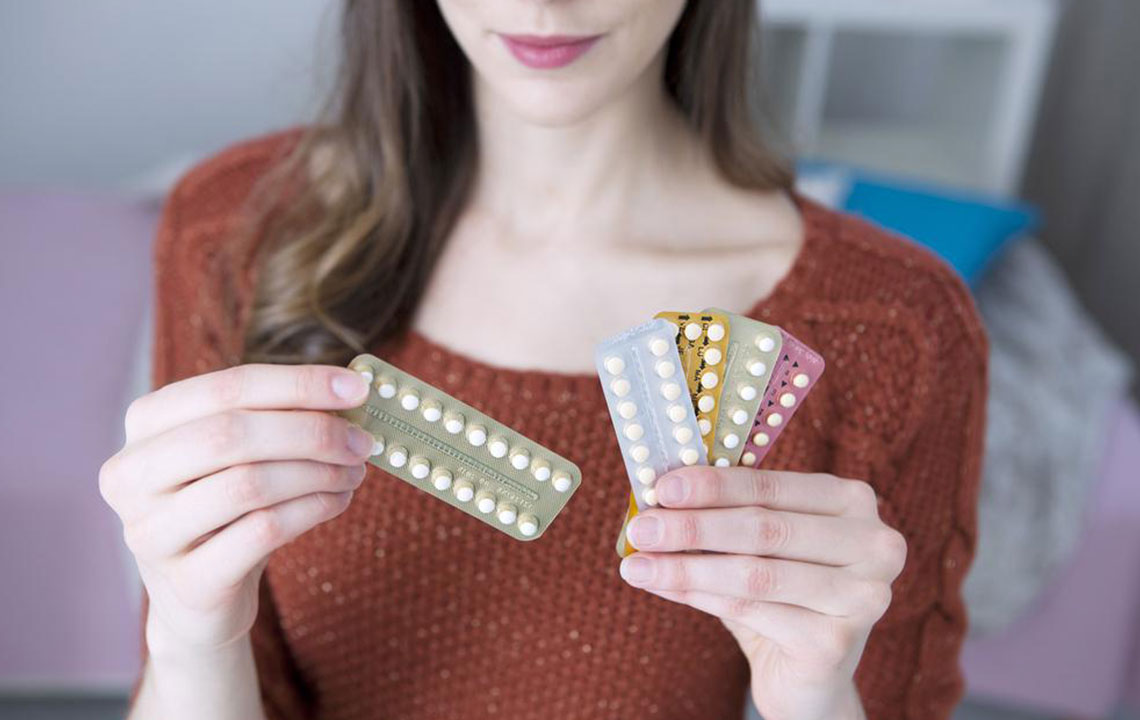
8 Popular Contraceptive Options for Women
Women today have access to diverse contraceptive choices to prevent unplanned pregnancies. Choosing the right method can be challenging, so it's important to understand each option. Before starting any form of contraception, consult a healthcare provider to ensure suitability. Below are eight commonly used and effective birth control methods. Talk with your doctor to determine the best fit for your health and lifestyle.
I. Combined Birth Control Pill
Produced by various pharmaceutical brands, this pill is readily available in pharmacies.
When taken consistently at the same time daily, the pill is up to 99% effective. It helps regulate menstrual cycles and can reduce symptoms like hot flashes. Women over 35, smokers, or those with certain health conditions should consult a doctor before use due to risks such as blood clots or migraines.
II. Progestin-Only Pill (Mini Pill)
Contains solely progestin, making it suitable for women who smoke or have specific health issues.
It’s safe during breastfeeding as it doesn't affect milk production. Precise daily timing is vital; missing doses by more than three hours requires backup contraception. Consistency ensures effectiveness.
III. Extended-Release Pill
This type allows women to skip or delay periods, with some regimens extending to a quarter or even a year without menstruation. Daily adherence is essential for effectiveness, ideal for managing cycle length.
IV. Vaginal Contraceptive Ring
A soft, flexible ring inserted into the vagina releases hormones similar to the combined pill. It stays in place for three weeks, followed by a week out during which withdrawal bleeding occurs. Not recommended for women with certain health risks like blood clots.
V. Contraceptive Diaphragm
A silicone dome-shaped device placed over the cervix, used with spermicide. Proper fitting by a healthcare provider is necessary. Effectiveness varies with weight changes over 10 pounds or history of urinary infections. Women with a history of toxic shock syndrome should avoid this method.
VI. Intrauterine Device (IUD)
Available in hormonal and non-hormonal types, IUDs are inserted surgically and can provide protection for up to ten years with over 99% effectiveness. Ideal for women who have given birth, as insertion may be uncomfortable for those who haven't. Initial cost is high, but it offers long-term savings.
VII. Female Condom
Made from soft plastic or polyurethane, this barrier provides protection against pregnancy and some STDs. It’s inserted into the vagina before sex and can be used up to eight hours prior. It is less effective than male condoms for STD prevention.
Always consult with a healthcare specialist to choose the most appropriate contraception option based on your health and needs.