Top Methods to Relieve Tailbone Pain Naturally
Discover effective natural methods to relieve coccyx pain, including physical therapy, supportive cushions, appropriate sleep positions, and yoga exercises. These strategies promote healing, improve comfort, and reduce inflammation, making daily activities more manageable for those suffering from tailbone discomfort.
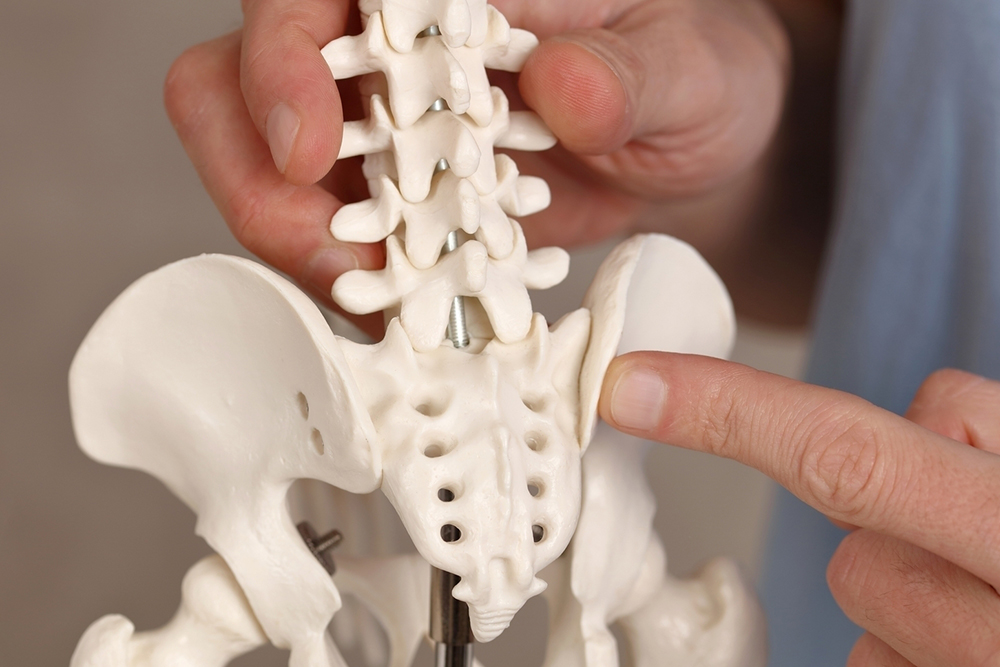
Top Methods to Relieve Tailbone Pain Naturally
Supporting overall well-being is essential for comfortable daily activities. Discomfort in the tailbone, or coccyx, can stem from injuries, poor posture, or health issues. Fortunately, several strategies can help reduce pain and promote healing. Exploring different treatments allows individuals to identify what works best for their needs. Combining physical therapy, adequate rest, and ergonomic supports can greatly enhance comfort and recovery.
1. Seek Guidance from a Physical Therapist
A specialized physical therapist can design exercises and routines to alleviate coccyx pain. Practices like pelvic relaxation and targeted stretches help relieve pressure and accelerate healing.
Gentle physical activities may significantly ease discomfort and support daily functions. Resting and avoiding activities that worsen pain can also speed recovery, especially after injuries.
2. Apply Heat and Cold Treatments
Using heat packs or cold compresses offers quick relief. Heat relaxes surrounding muscles, reducing tension, while cold packs help decrease swelling. Apply warm towels or gels, and ice wrapped in cloth for approximately 20 minutes, multiple times daily, particularly within the first two days of injury.
3. Use a Coccyx Cushion
A coccyx supporting cushion distributes weight evenly, lessening pressure on the tailbone. This helps relieve pain during extended sitting, improves posture, and stabilizes the spine. For extra comfort, combine with gel packs or heat pads when sitting.
4. Select Proper Support Pillows
Choosing a firm, supportive pillow ensures healthy spinal alignment. Inappropriate pillows can worsen tailbone strain. Consult a healthcare expert for personalized pillow recommendations.
5. Sleep on Your Back
Sleeping on your back reduces pressure on the coccyx. Elevating the knees with a wedge pillow can further minimize stress and promote relaxation.
6. Side Sleeping Technique
Sleeping on your side lessens tailbone pressure effectively. Placing a pillow between your knees helps maintain proper hip and lower back alignment during sleep.
7. Avoid Sleeping on the Stomach
Stomach sleeping increases stress on the lower back and coccyx, potentially worsening discomfort. Side or back sleeping positions are recommended for pain relief.
8. Improve Flexibility with Gentle Stretches
Limited mobility due to coccyx pain can be addressed with gentle stretching exercises like cobra or cat-cow poses. Always check with a healthcare provider before starting new stretches to ensure safety.
9. Strengthen Glute Muscles
Enhancing glute strength supports pelvic stability and promotes blood circulation, aiding healing. Targeted glute exercises can also reduce muscle tenderness in the coccyx area.
10. Practice Yoga for Pain Relief
Yoga aids in relieving coccyx pain through poses that stretch and bolster the spine and surrounding muscles. Positions such as side angle, triangle, and bow pose can align the body properly and reduce discomfort.