Proven Strategies for Effective Rheumatoid Arthritis Management
Learn practical strategies to manage rheumatoid arthritis effectively. Maintain an active lifestyle, adhere to treatment plans, follow an anti-inflammatory diet, and protect joints to reduce symptoms and prevent progression. Managing stress and staying hydrated are also key components for a better quality of life with RA.
Proven Strategies for Effective Rheumatoid Arthritis Management
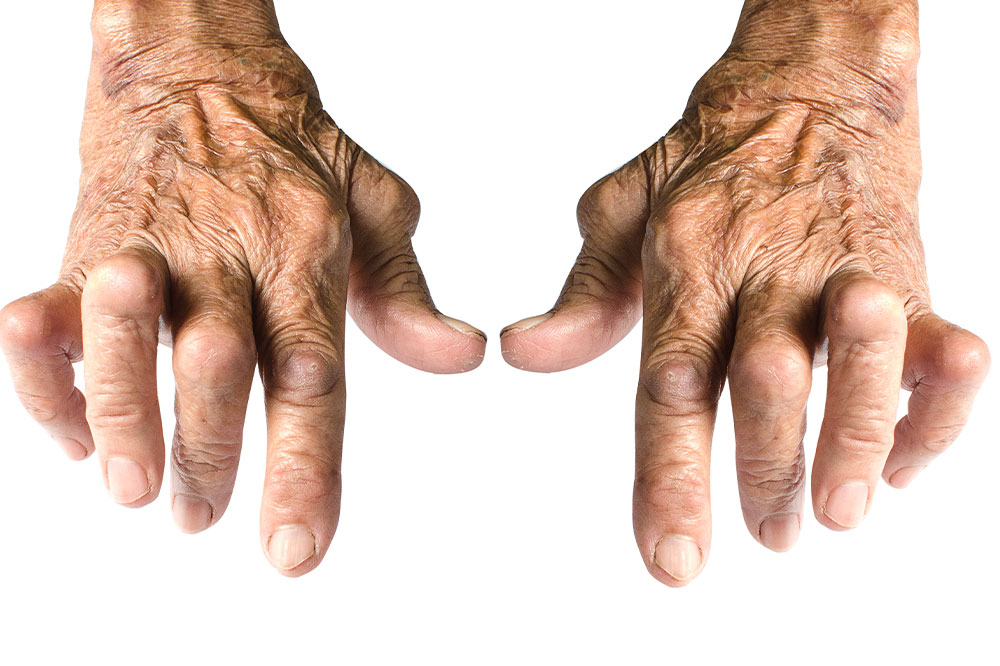
Rheumatoid arthritis (RA) is an autoimmune disorder characterized by joint inflammation, leading to pain, swelling, and tenderness. Over time, it can cause joint damage and deformities if not managed properly. Understanding factors that can exacerbate symptoms is essential. Here are important tips to help control RA and maintain quality of life.
Stay Active and Avoid Sedentary Lifestyle
Regular movement is crucial. Incorporate daily activities like walking, stretching, and hobbies such as gardening to support joint health. Staying active strengthens muscles, improves flexibility, and reduces stiffness, helping to prevent joint deterioration.
Consistent exercise boosts joint strength and flexibility, reducing disability. Building muscle around the joints stabilizes them, while increased movement helps maintain range of motion. Regular physical activity is vital for effective RA management.
Follow Your Medical Treatment Plan
Adherence to prescribed medications and therapies is essential. Avoid stopping or altering treatments without medical advice, as this can worsen symptoms. Always consult your healthcare provider if you experience issues or missed doses.
Be Cautious with Heavy Physical Tasks
Engaging in strenuous activities such as lifting heavy objects or intense workouts may strain inflamed joints. Use proper tools, supports, and take breaks when performing daily chores to prevent joint stress and damage.
Eat an anti-inflammatory Diet
Nutrition plays a key role in managing RA. Minimize processed foods, sugary snacks, and packaged meals, which may contain additives that promote inflammation. Emphasize fresh fruits, vegetables, omega-3 fatty acids, and whole grains for better joint health.
Protect Joints During Activities
Utilize supportive devices like braces or splints to reduce joint strain during movement. Proper protection can decrease pain, swelling, and prolong joint function.
Maintain Adequate Hydration
Drinking sufficient water—around 8-10 glasses daily—supports joint lubrication, reduces stiffness, and improves overall health. Proper hydration can prevent fatigue and associated complications.
Manage Stress Effectively
Stress can trigger RA flare-ups. Incorporate relaxation techniques, mindfulness, meditation, or hobbies to stay emotionally balanced. Effective stress management helps control disease activity and enhances well-being.