Proven Methods to Eradicate Indoor Ant Infestations
Discover effective indoor ant control methods, including bait stations, non-repellent insecticides, and direct nest treatment. These strategies help eliminate colonies efficiently, ensuring a pest-free home. Proper placement and choice of products are key to success in managing ant infestations indoors.
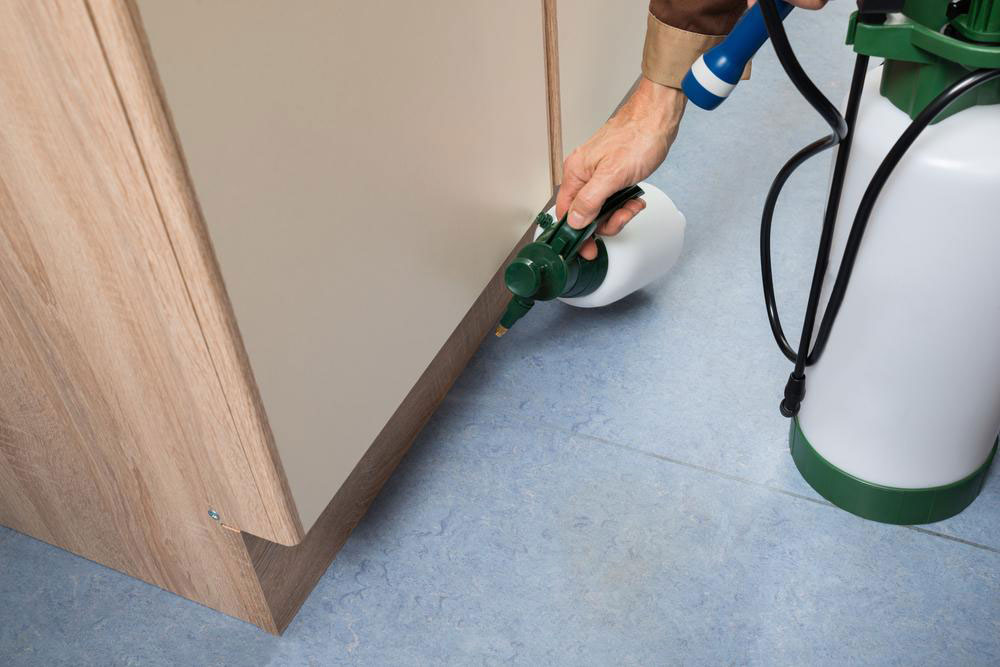
Proven Methods to Eradicate Indoor Ant Infestations
Ants are highly social insects that often invade homes searching for food sources or nesting spots. Typical species found indoors include carpenter ants, tawny crazy ants, Argentine ants, and odorous house ants, with higher cases in warmer, tropical areas. Addressing an ant problem can involve do-it-yourself techniques or professional pest control services. Applying targeted strategies is essential for maintaining a pest-free living space.
Use bait stations
High-quality ant bait stations are among the most effective indoor management tools. These baits attract ants, which then return to their colony with the toxic bait, including the queen. The slow-acting poison kills the entire colony over time. Proper placement and bait selection—combining sweet and protein-based options—are key for success.
This method ensures comprehensive colony elimination by allowing ants to spread the toxin. Place bait in high-traffic areas like trails or entry points. Choosing the right bait and strategic positioning are crucial for effective control.
Use non-repellent insecticides
Non-repellent insecticides like PT® Phantom II are highly effective for indoor ant control. Unlike repellents that simply push ants away, these penetrate the colony unnoticed and kill ants on contact. They are favored by professionals for their thoroughness and efficiency.
Target nests directly
For direct nest treatment, insecticide dust such as D-Fense® Dust can be used. Locating nests can be tricky; if behind walls, drilling small holes and applying dust with a duster like the B&G Bulb Duster can improve results. Care must be taken during application for safety and effectiveness.